New Age Auto Painting Blog · August 27, 2026
Auto Body Repair Guide for Lakeland Drivers
This auto body repair guide helps Lakeland drivers assess damage, understand the repair process, and choose the right shop for long-lasting results today.
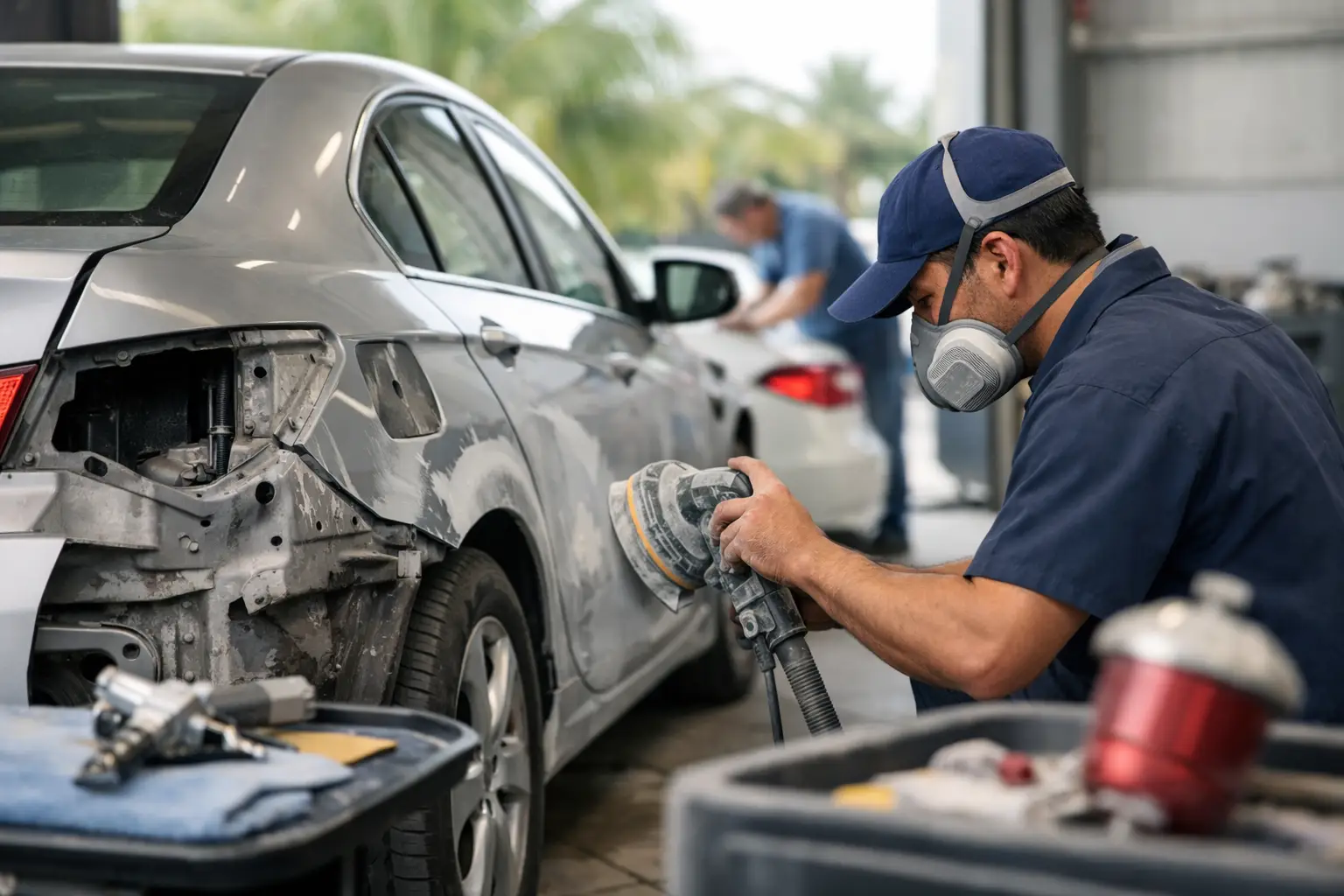
A damaged bumper, a scraped door, or a wrinkled fender can make a vehicle feel less safe and less reliable, even when it still drives. This auto body repair guide explains what Lakeland drivers should do after vehicle damage, what professional repairs involve, and how to make informed decisions about restoring a car’s appearance and structural condition.
Florida driving creates plenty of opportunities for exterior damage. Parking lot dents, storm debris, road debris, minor collisions, sun-faded paint, and more serious accidents can all affect the body of a vehicle. The right repair approach depends on where the damage occurred, how deep it is, and whether the impact reached components behind the visible panel.
Start by Assessing the Damage Safely
After an accident, safety comes before appearance. If the vehicle has loose parts, leaking fluid, a tire rubbing against bodywork, damaged lights, or a door that will not latch properly, it should be inspected before regular driving. A car can look mostly intact while having hidden damage to mounting points, reinforcement bars, suspension components, or sensors.
Take clear photos from several angles before washing or attempting any cleanup. Photograph the full vehicle as well as close-ups of the affected areas. This documentation can help with an insurance claim and gives the repair shop a clearer picture of the damage before the initial estimate.
Small cosmetic damage is usually limited to paint, plastic trim, or a shallow dent. More significant collision damage may include bent panels, cracked bumpers, damaged headlights, misaligned doors, broken brackets, or issues with the vehicle’s underlying structure. A professional inspection is the best way to separate a simple refinishing job from a repair that requires more extensive work.
Auto Body Repair Guide: What the Process Looks Like
Professional auto body repair is not simply applying filler and paint over visible damage. A quality repair process addresses the damaged area in the right order so the vehicle looks correct, fits properly, and is prepared for the road.
Inspection and Repair Planning
The first step is a detailed visual inspection and repair plan. Technicians identify damaged exterior panels, hidden impact areas, broken clips and brackets, and potential damage behind the bumper or body panel. On newer vehicles, this can also include checking areas around parking sensors, cameras, radar components, and lighting systems.
The estimate should account for repair labor, replacement parts when needed, refinishing materials, and related operations such as panel removal or alignment. In some cases, additional damage is found after a panel or bumper cover is removed. This is common after collisions and does not automatically mean the first estimate was inaccurate. Certain damage simply cannot be seen until the repair begins.
Body Repair or Panel Replacement
A dented panel does not always need to be replaced. If the metal can be reshaped without compromising the panel’s strength or finish, repair may be the more cost-effective option. Technicians use specialized tools to pull, straighten, and reshape damaged metal or plastic before preparing the surface for refinishing.
Replacement is often the better choice when a panel is severely creased, torn, rusted through, or damaged near critical mounting areas. It may also be necessary when a bumper cover is cracked or when the cost of labor needed to repair the panel exceeds the cost of installing a replacement.
This is one area where the lowest estimate is not always the best value. A quick cosmetic fix can hide damage temporarily, but poor panel alignment, weak repairs, or improperly secured parts can create problems later. The goal should be a repair that restores both appearance and proper fit.
Surface Preparation and Automotive Painting
Paint work determines whether a repair blends into the rest of the vehicle or stands out every time the sun hits it. Before color is applied, the repaired area must be cleaned, sanded, primed, and shaped to create a smooth foundation. Skipping preparation steps can lead to peeling, visible sanding marks, uneven texture, or poor adhesion.
Color matching is especially important in Lakeland, where intense sun can reveal slight differences in shade or metallic finish. Vehicle paint can fade over time, so a shop may need to blend color into adjacent panels rather than paint only the repaired spot. Blending helps the new finish transition naturally into the existing paint.
Once the color and clear coat are applied, the finish needs appropriate curing time. The final stage includes reassembly, checking panel gaps, inspecting the finish, and confirming that lights, trim, and accessories are properly installed.
When Paintless Dent Repair May Work
Paintless dent repair, often called PDR, can be a good option for certain small dents where the paint is still intact. It is commonly used for door dings, minor hail damage, and shallow dents caused by parking lot impacts. The process involves carefully massaging the panel back into shape from behind or using specialized pulling methods.
PDR is not the right solution for every dent. It is less suitable when paint is cracked, the metal is sharply creased, the dent is near a panel edge, or access behind the damaged area is limited. A reputable shop should explain whether PDR, conventional body repair, or panel replacement is the best fit instead of forcing every repair into one method.
Insurance Claims and Your Repair Choices
If another driver caused the damage or you carry collision coverage, an insurance claim may help pay for repairs. Notify your insurance company promptly and keep your claim number, adjuster information, photos, and repair documents together.
You can usually choose the repair shop you want to use. Insurance companies may suggest preferred facilities, but drivers should still select a shop they trust to perform the necessary body and paint work. Ask the shop how it communicates with insurers, handles supplements for hidden damage, and documents repairs throughout the process.
Before authorizing repairs, clarify your deductible, whether parts are new, recycled, aftermarket, or original equipment, and what warranty applies to the work. Different parts can be appropriate depending on the vehicle, the damaged component, insurance coverage, availability, and budget. What matters is that the repair plan is clearly explained.
Questions Worth Asking an Auto Body Shop
A good repair conversation should be straightforward. Ask whether the panel can be repaired or needs replacement, whether adjacent panels need blending, and whether hidden damage is likely. If your vehicle has advanced driver-assistance features, ask whether scanning, calibration, or sensor checks are required after the repair.
Also ask about the expected timeline. Parts availability, insurance approvals, paint curing, and the discovery of additional damage can all affect completion dates. A professional shop will provide realistic updates rather than making promises it cannot keep.
For Lakeland drivers, using one local provider for body repair and professional painting can simplify the process. New Age Auto Painting focuses on restoring damaged body panels and vehicle finishes so customers do not have to coordinate repairs between separate vendors.
Protect the Finish After Repairs
Fresh automotive paint needs care, especially during the first few weeks. Follow the shop’s specific instructions, since curing times and products can vary. In general, avoid harsh cleaners, abrasive polishes, and automatic car washes with aggressive brushes until the finish has had time to fully settle.
Parking under cover when possible can reduce exposure to Florida sun, tree sap, bird droppings, and falling debris. Wash contaminants off promptly using automotive-safe products, and consider regular waxing or paint protection once the shop confirms the finish is ready. These simple habits help preserve gloss and make future cleaning easier.
A damaged vehicle does not have to stay damaged. Whether the issue is a minor scratch or collision-related body damage, a careful inspection and professional repair plan can return your vehicle to a clean, presentable, road-ready condition with results that hold up well beyond the first look.