New Age Auto Painting Blog · April 11, 2026
Auto Paint Refinishing That Restores Value
Auto paint refinishing restores color, gloss, and protection after damage, fading, or wear with professional prep, repair, and paint matching.
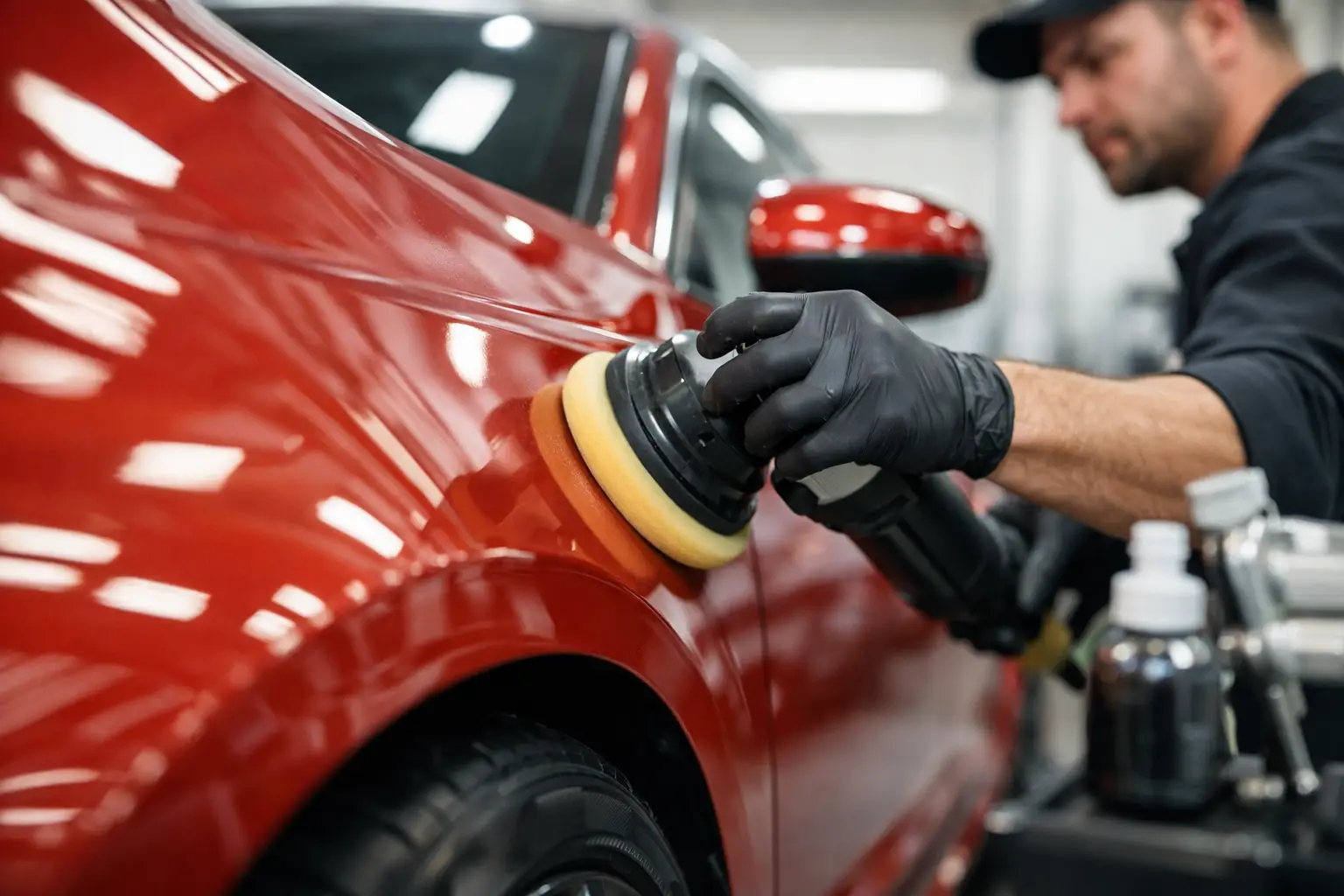
A vehicle can drive fine and still look worn out. Sun fade, peeling clear coat, scratches, parking lot damage, and accident repairs all show up in the finish first. That is where auto paint refinishing matters. It is not just about making a car look better. It is about restoring a consistent finish, protecting exposed surfaces, and bringing the vehicle back to a condition that feels properly repaired.
For drivers in Lakeland, that matters more than many people realize. Florida heat, UV exposure, road grime, and heavy rain are hard on automotive paint. A small damaged area can turn into a larger cosmetic problem if the finish is left untreated for too long. When refinishing is done correctly, the result is not just fresh color. It is a repaired surface that blends with the rest of the vehicle and holds up better over time.
What auto paint refinishing actually includes
Auto paint refinishing is the process of repairing and restoring a vehicle’s painted surfaces after damage, wear, or body work. That can mean refinishing a single panel after a dent repair, blending paint into adjacent panels after collision work, or repainting larger sections where the original finish has failed.
The work starts long before any color goes on the vehicle. Proper refinishing includes surface preparation, correction of imperfections, priming when needed, color matching, paint application, and clear coat finishing. On many jobs, the quality of the outcome depends less on the final spray step and more on how well the panel was repaired and prepared beforehand.
That is why paint and body repair often need to work together. If a panel still has low spots, filler issues, sanding marks, or poor edges, fresh paint will not hide them. It often makes them easier to see.
When auto paint refinishing is the right repair
Not every paint problem needs the same solution. Some vehicles only need a localized refinish where damage is limited to one area. Others need more extensive work because the paint failure has spread or because body repairs affect multiple panels.
A good candidate for refinishing usually includes visible scratches through the paint, peeling clear coat, oxidation, paint transfer that cannot be polished out, or any repaired collision area that needs final color and clear coat. If bare metal or body filler is exposed, the issue is no longer just cosmetic. The surface needs to be sealed and refinished correctly.
There are also cases where full panel refinishing makes more sense than spot repair. Metallic colors, pearl finishes, and older faded paint can be difficult to match in a tiny isolated section. In those situations, refinishing the panel and blending nearby areas can produce a cleaner and more natural result.
Why prep work matters more than most people expect
Paint problems are often blamed on the paint itself, but poor prep is usually the real issue. If the surface is not cleaned, leveled, and sealed correctly, the finish can fail early. You may see uneven gloss, visible sanding scratches, texture problems, or peeling around repaired edges.
Professional refinishing is built on surface control. Damaged paint has to be removed or stabilized. Repairs have to be straight. Primers need enough cure time and proper sanding. Contaminants such as wax, silicone, and road residue have to be eliminated before the color coat is applied.
This is one reason quick cosmetic fixes do not always last. A fast spray-over approach may look acceptable for a short time, but once the vehicle sits in the sun and weather, shortcuts start showing. Florida conditions are especially unforgiving when prep work is weak.
Paint matching is part science and part experience
Many vehicle owners assume paint matching is as simple as looking up the factory color code. The code is important, but it is only the starting point. Age, sun exposure, previous repairs, and manufacturing variations can all affect the way the current finish looks compared to the original formula.
Professional refinishing accounts for that. A technician may need to adjust the formula, spray test panels, and blend color into adjacent panels so the repair does not stand out. This is especially important with silver, white pearl, tri-coat, red, and other colors that shift noticeably under different light.
The goal is not just to repaint a damaged area. The goal is to make the repair look right on the whole vehicle. That takes equipment, training, and judgment.
The auto paint refinishing process on a repaired vehicle
When refinishing follows collision or body repair, the sequence matters. First, the damaged area is repaired structurally and cosmetically so the panel shape is correct. Then the surface is sanded and feathered to create a stable transition from the old finish to the repaired section.
If primer is needed, it is applied and cured before additional sanding and inspection. Once the surface is ready, the color coat is applied in controlled layers. The painter checks color consistency, coverage, and blend area before clear coat is added for gloss and protection.
After curing, the finish may be polished or corrected to refine the final appearance. The exact steps vary by job, but the standard should stay the same: the repair should look complete, not patched.
Spot repair versus full panel refinishing
This is where expectations need to be realistic. Spot repair can save time and cost when damage is small and the color is forgiving. It can be a practical choice for minor isolated issues.
But it depends on the location and the type of finish. If damage sits in the middle of a large visible panel, or if the existing paint is heavily faded, trying to keep the repair too small can actually make it easier to detect. A full panel refinish may cost more upfront, but it often delivers the cleaner result.
For customers, the better question is not always what is cheapest today. It is what repair approach will still look right months from now.
Common reasons refinishing fails early
Early paint failure usually points back to process problems. Inadequate prep, poor adhesion, contamination, incorrect flash times, or low-quality materials can all shorten the life of a refinish job. Clear coat peeling is one of the most common complaints, and it often traces back to surface prep or application mistakes.
Another issue is incomplete repair planning. If body work and paint work are treated as separate disconnected tasks, the finish may not hold up the way it should. A full-service shop has an advantage here because panel repair, surface preparation, and painting can be handled as one coordinated process.
That matters after an accident, but it also matters on cosmetic restoration jobs where the damage seems minor. Even a small scratch repair can fail if the surrounding surface was not handled correctly.
Choosing a local shop for auto paint refinishing
If you are comparing shops in the Lakeland area, look beyond whether they offer paint work at all. The real question is whether they handle the full repair process with consistency. A shop that combines body repair and refinishing under one roof can usually control quality better than a setup that sends part of the work elsewhere.
Ask how the damage will be repaired before paint is applied, whether blending is part of the plan, and what kind of finish you should expect based on your vehicle’s current condition. A good shop should speak clearly about the repair, not oversell a perfect outcome when age, previous damage, or sun fade may affect the final match.
That straightforward approach is usually a good sign. At New Age Auto Painting, that is the kind of practical expectation setting vehicle owners should want from any local repair and refinishing provider.
What drivers should expect after refinishing
Freshly refinished paint should look even, properly matched, and consistent in gloss with the surrounding panels. It should not show rough transitions, obvious tape lines, or mismatched texture. Over time, it should also hold up under normal washing and weather exposure.
There may still be limits depending on the vehicle’s age and overall condition. A refinished panel can look excellent, but if the rest of the vehicle has years of oxidation or clear coat wear, the contrast may still be noticeable. That does not mean the repair was done poorly. It means the vehicle’s existing finish sets part of the standard.
A professional shop should explain that before work begins so there are no surprises when the job is complete.
Good auto paint refinishing does more than cover damage. It finishes the repair the right way, protects the vehicle’s surface, and helps you feel like your car is worth looking at again. If your paint damage is getting harder to ignore, waiting rarely improves the result.