New Age Auto Painting Blog · April 27, 2026
Auto Scratch Repair Lakeland FL Guide
Need auto scratch repair Lakeland FL drivers can trust? Learn when scratches need paint work, what repairs involve, and how to protect value.
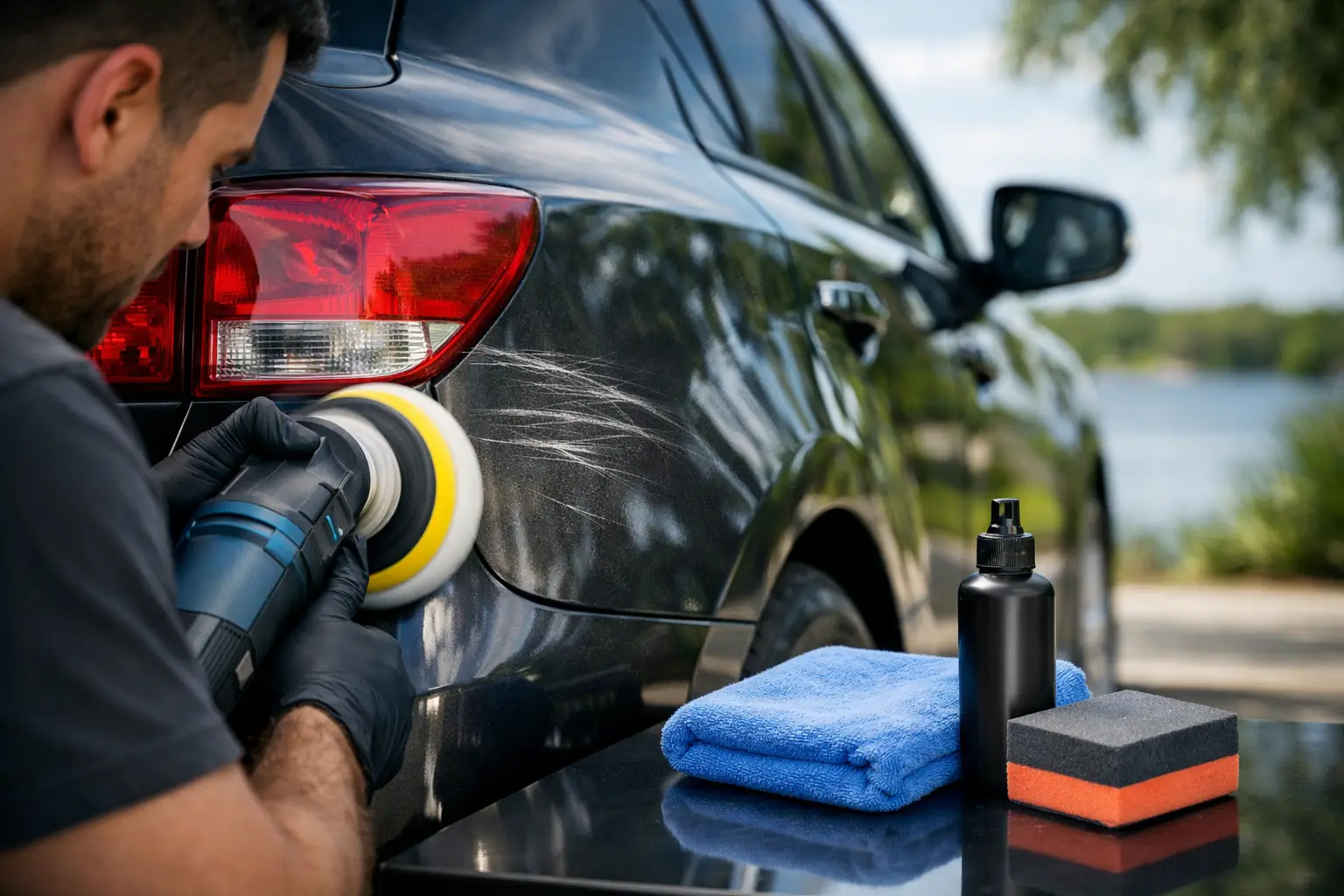
That scratch on your door usually looks worse in bright Florida sun, and once you notice it, it is hard to ignore. If you are searching for auto scratch repair Lakeland FL drivers can rely on, the real question is not just how to make the mark disappear. It is whether the damage has reached the paint, primer, or metal underneath, and what kind of repair will actually hold up.
Scratches are one of the most common reasons vehicle owners visit a body shop. They can come from parking lot contact, shopping carts, tree branches, road debris, or a minor sideswipe that did not seem serious at the time. Some are cosmetic and limited to the clear coat. Others cut deeper and leave the panel exposed to moisture, oxidation, and long-term paint failure.
In Lakeland, that difference matters. Heat, humidity, rain, and constant sun exposure can turn a small paint problem into a bigger refinishing issue faster than many drivers expect. A proper repair is not only about appearance. It also helps preserve the panel, maintain resale value, and keep the rest of the finish from breaking down around the damaged area.
What auto scratch repair in Lakeland FL really involves
A lot of drivers use the word scratch to describe any paint damage, but body shops break it down more specifically. A light surface mark may be corrected with polishing if it only affects the clear coat. A deeper scratch usually needs sanding, filling or leveling, primer, color matching, and repainting. If the damage includes a dent or panel distortion, the repair moves beyond paint correction into body work.
That is why there is no one-size-fits-all price or timeline. Two scratches can look similar from a few feet away and require completely different work once the panel is inspected. One may buff out in a short visit. Another may need refinishing across a wider section of the panel so the repair blends properly with the surrounding paint.
Professional auto scratch repair is less about covering the mark and more about restoring the finish system the right way. Modern vehicles use layered paint systems, and each layer serves a purpose. If one layer is compromised, the repair has to rebuild that protection and appearance in a way that matches the rest of the vehicle.
How to tell if a scratch is minor or needs full repair
Some scratches are easy to spot as serious. If you can see primer, bare metal, or a contrasting color under the top coat, the damage is beyond a simple polish. If the area feels rough, catches your fingernail, or has visible paint separation around the edges, it likely needs refinishing.
There are also cases that seem minor but still deserve attention. A thin line on a hood or roof panel may not look urgent, yet those surfaces take heavy sun exposure in Florida. If the scratch has opened the paint film, UV exposure and moisture can gradually widen the damage. That can lead to peeling, fading, or corrosion over time.
Location matters too. A scratch on a plastic bumper has different repair considerations than one on a steel fender or aluminum panel. Plastic will not rust, but it can still show paint failure and require prep and repainting to restore the finish. Metal panels need extra attention if the coating has been broken.
Why quick touch-ups are not always enough
Many drivers try a store-bought touch-up product first. That can be reasonable for very small chips or hairline marks, especially on older vehicles where perfection is not the goal. But touch-up paint has limits. It rarely levels like factory finish, and color match can be inconsistent, especially on metallic or pearl colors.
The bigger issue is prep. Without proper cleaning, sanding, and surface correction, touch-up material often sits on top of damaged edges rather than bonding correctly. From a distance it may look better for a while. Up close, the repair can appear raised, dull, or mismatched. In some cases, it makes later professional correction more time-consuming.
This is especially true for larger scratches along doors, quarter panels, and bumpers where the reflection line is easy to see. Those areas usually need a more controlled repair process to avoid obvious patching. A results-focused shop will assess whether the panel can be spot repaired or whether a broader refinish is the better long-term option.
The repair process for deeper scratches
When a scratch goes beyond the clear coat, the repair typically starts with a close inspection of the panel and adjacent damage. If there is any denting, transfer marks, or deformation, those issues need to be addressed before paint work begins. The damaged area is then prepared by cleaning, sanding, and feathering the edges so the new material transitions smoothly.
If the scratch has cut deep, primer may be applied to rebuild the surface and protect the panel. After that comes color application and clear coat, followed by curing and finishing. The final goal is not just to hide the damage but to restore gloss, consistency, and durability.
Color matching is one of the most important parts of the job. Factory paint codes help, but they are only the starting point. Sun exposure, age, and previous repairs can all affect how the current finish looks. A professional shop evaluates the actual vehicle color, not just the code, so the repaired area blends as naturally as possible.
When scratches are tied to collision damage
A scratch is sometimes the most visible part of a bigger problem. If the panel edge is misaligned, the bumper is pushed in, or the paint damage happened during a low-speed impact, there may be underlying structural or body damage. In that case, cosmetic refinishing alone is not enough.
This is where a full-service body shop has an advantage. When body repair and paint work happen under the same roof, the process is more efficient and the final result is more consistent. The panel can be repaired, aligned, prepped, and refinished as part of one coordinated job instead of being passed between different vendors.
For Lakeland drivers, that matters because convenience is part of the repair experience. If your vehicle has both scratch damage and body damage, working with one local shop can simplify the timeline and reduce the risk of mismatched work between repair stages.
Choosing auto scratch repair Lakeland FL vehicle owners can trust
Not every scratch repair service offers the same level of work. Some focus on quick cosmetic improvement. Others are equipped for complete panel restoration and collision-related refinishing. The right choice depends on the condition of your vehicle, how long you plan to keep it, and how important the final appearance is to you.
A good local shop should be able to explain what layer of damage they see, whether the panel needs repainting, and what result you can realistically expect. Straight answers matter. If a scratch can be polished out, you should hear that. If it needs body prep and paint, you should hear that too.
It also helps to choose a shop that understands the local environment and the standards drivers expect from a daily vehicle. In Lakeland, many customers are not looking for show-car language or vague promises. They want their vehicle to look right again, protect the finish, and get back on the road without unnecessary runaround. That practical approach is exactly why many local drivers turn to shops like New Age Auto Painting for appearance restoration and body repair work.
Why timing matters after scratch damage
Waiting too long can make a straightforward repair more involved. Dirt works its way into exposed paint edges. Sun and rain wear down the damaged area. If the scratch reaches metal, oxidation can begin before the vehicle shows obvious rust spots.
That does not mean every scratch is an emergency, but it does mean delay has a cost. A repair that starts as limited refinishing can become a larger correction if the surrounding finish starts to fail. Taking care of the damage early usually gives you more repair options and a cleaner final result.
This is especially relevant if you plan to trade in or sell the vehicle. Buyers and appraisers notice visible exterior damage quickly. Even small scratches can suggest neglected condition if they are located in high-visibility areas like doors, bumpers, and around the trunk opening.
What to expect from a professional estimate
An estimate for scratch repair should reflect the actual condition of the vehicle, not just the length of the mark. The type of panel, depth of damage, paint color, location, and whether blending is needed all affect cost and repair time. Metallic finishes, bumper repairs, and damage near body lines often require more precision.
The best estimates also account for what happens after the obvious damage is addressed. Once the panel is cleaned and prepped, deeper issues sometimes become clearer. That is normal. What matters is working with a shop that communicates clearly and repairs the damage based on what the vehicle needs, not on guesswork.
A scratch may seem like a small issue until it keeps catching your eye every time you walk up to the car. Getting it repaired the right way protects more than the paint. It protects the condition, appearance, and confidence you should have every time you drive it away.