New Age Auto Painting Blog · June 8, 2026
Best Car Scratch Repair Methods That Work
Learn the best car scratch repair methods for clear coat, paint, and deep scratches, plus when professional auto body repair is the better choice.
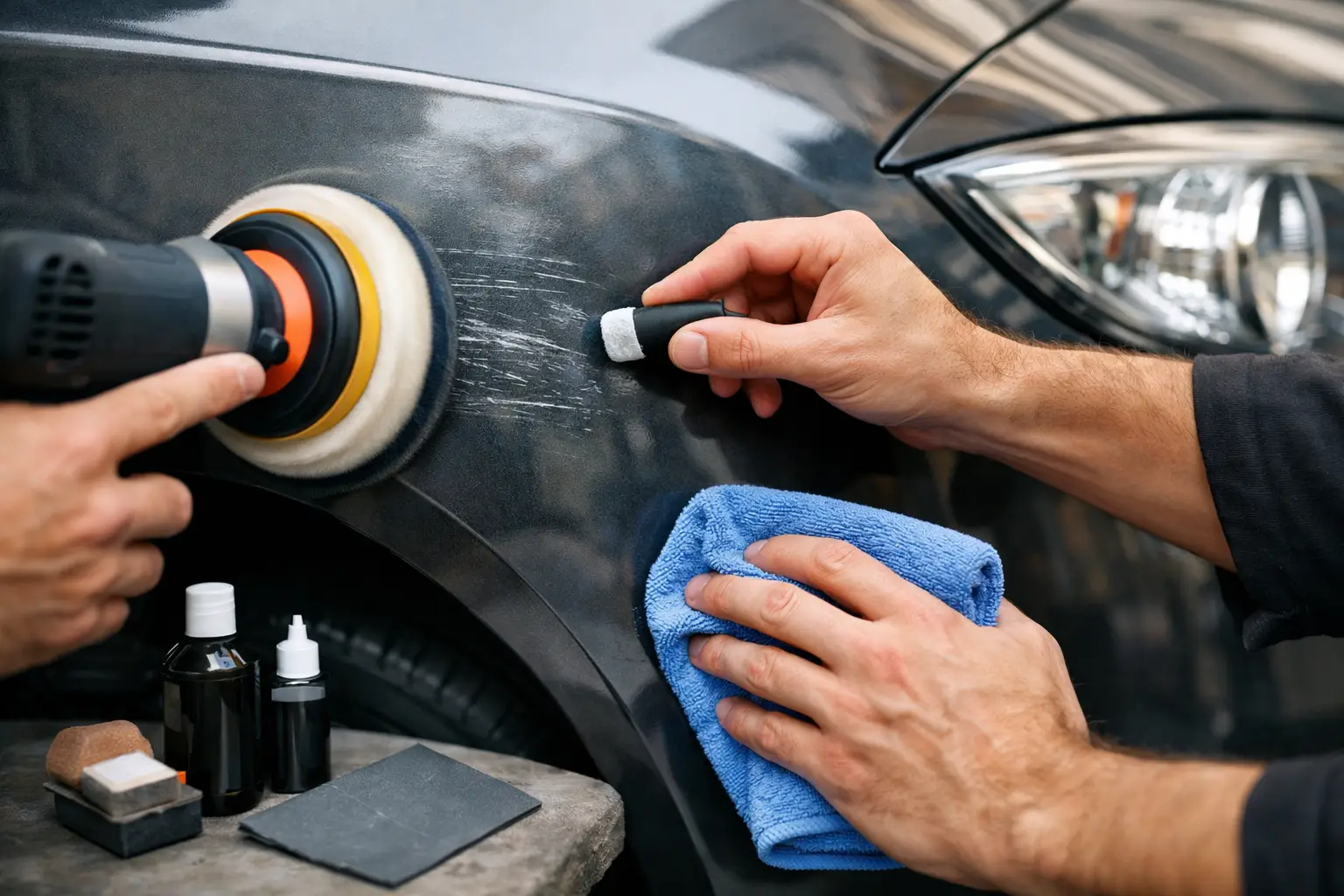
A scratch looks small until the sun hits it and your eye goes straight to that one damaged spot. If you are comparing the best car scratch repair methods, the right fix depends on how deep the damage goes, where it sits on the panel, and whether the paint itself has been broken.
Some scratches are cosmetic and can be corrected quickly. Others cut through the clear coat, color coat, or even into the primer and metal. Choosing the wrong approach can make the damage more noticeable, create color mismatch, or leave a rough patch that stands out from the rest of the vehicle.
How to judge scratch depth before you repair it
The first step is figuring out what you are actually looking at. A light surface mark that transfers paint or scuffs the clear coat is very different from a scratch that exposes primer. Clean the area first so dirt does not hide the real damage.
A simple way to assess it is by sight and touch. If the mark looks white but feels smooth, it may be in the clear coat or it may even be paint transfer from another object. If your fingernail catches in the scratch, the damage is usually deeper. If you see a lighter gray tone, that often means primer is showing. If you see bare metal, the repair becomes more urgent because moisture can lead to corrosion.
Florida weather matters here. Heat, humidity, and frequent rain can speed up problems once the protective layers are compromised. A scratch that seems minor at first can become a larger refinishing issue if it is left open too long.
Best car scratch repair methods for light surface damage
For minor defects, correction is often possible without repainting. These are the scratches most drivers notice after a shopping cart rub, brush contact, or everyday wash damage.
Washing and clay treatment
Some marks are not scratches at all. They are paint transfer, road grime, or debris smeared across the clear coat. A proper wash followed by a clay bar treatment can remove contaminants that regular soap leaves behind. This is the least invasive option, and it is always the right place to start.
The trade-off is that clay will not fix actual gouges. It only removes material sitting on top of the finish.
Rubbing compound and polish
If the scratch is limited to the clear coat, a rubbing compound or scratch-removal compound can level the surrounding surface enough to reduce or eliminate the mark. After that, polishing helps restore gloss.
This method works best on shallow defects. It also requires restraint. Too much aggressive compounding can thin the clear coat and create dull spots or uneven shine, especially on darker vehicles. Hand application can work for isolated spots, but machine correction is more precise when done by someone experienced.
Touch-up clear coat for very minor isolated damage
In some cases, a small clear coat scratch can benefit from a touch-up product designed to fill and protect the area. This is usually more of a cosmetic improvement than a true invisible repair.
Results vary. On a daily driver, this may be acceptable. On a newer vehicle or a panel with highly visible damage, it can look patched if the surrounding finish is not blended properly.
Repair options for scratches that go into the paint
Once the color coat is damaged, simple polishing is no longer enough. The goal shifts from correction to rebuilding the damaged finish.
Factory-matched touch-up paint
For small chips and narrow scratches, touch-up paint can help seal the area and improve appearance. This method is best for limited damage where full-panel refinishing would be more than the vehicle owner wants to invest.
The key issue is realism. Touch-up paint helps, but it rarely disappears completely under close inspection. Metallic colors, pearl finishes, and larger scratches are harder to blend. If the area is on the hood, door, or another panel at eye level, a basic touch-up may still be visible.
Wet sanding and localized paint correction
A more refined repair may involve cleaning the area, applying matched paint, leveling the repair, wet sanding, and polishing. This process can produce a much cleaner result than a simple brush-on touch-up, especially on smaller isolated scratches.
It still depends on damage size and location. On body lines, panel edges, and large flat surfaces, even a careful spot repair can stand out if the color and texture are not controlled well.
When deep scratches need professional refinishing
The best car scratch repair methods change once primer or metal is exposed. At that point, the issue is no longer just appearance. The protective paint system has failed in that area, and the panel may need a more complete repair process.
Primer-exposed scratches
If you can see primer, the scratch has gone through the clear and color layers. A lasting repair usually involves surface preparation, primer if needed, color application, and clear coat restoration. This is where professional paint work starts to make sense because the finish has to match both the color and the gloss of the surrounding panel.
A quick DIY repair can seal the damage temporarily, but the panel may still look uneven. Texture mismatch, visible edges, and color variation are common when repairs are done without proper spray equipment and refinishing technique.
Bare metal scratches
When metal is exposed, repair should not wait. Bare metal can oxidize, and once rust starts, the repair gets more expensive. The damaged area may need sanding, corrosion treatment, primer, color, and clear coat, with blending as needed.
This kind of damage is especially common near door edges, rocker panels, bumpers, and areas hit by road debris. If the scratch is long, deep, or accompanied by a dent, it is usually better handled by an auto body shop than by a cosmetic touch-up approach.
Why bumper scratches are a separate category
Bumper covers often scratch differently than metal panels because they are made from flexible materials. The paint system still matters, but the substrate affects how the damage is repaired.
A bumper scratch may involve scuffing, gouging, or paint cracking. Some can be sanded, filled, refinished, and blended successfully. Others, especially if they include deformation or torn material, need a more involved bumper repair process.
This is one reason generic scratch advice can fall short. The same-looking scratch on a door and on a bumper may require different repair steps to hold up well and look right.
DIY versus professional repair
There is a place for do-it-yourself scratch repair. Light clear coat marks, minor paint transfer, and small chips can often be improved at home with the right products and realistic expectations.
Professional repair becomes the better choice when the scratch is deep, the panel is highly visible, the vehicle has metallic or pearl paint, or you care about a consistent finish. It also makes sense when there are multiple damaged areas, signs of impact, or any question about hidden body damage around the scratch.
For many drivers, the decision comes down to cost versus outcome. DIY methods may be cheaper upfront, but they can create extra work if the repair fails or looks worse than the original damage. A professional shop can assess whether the problem needs polishing, spot repair, panel refinishing, or additional body work before paint is applied.
In the Lakeland area, that local assessment matters. Sun exposure, rain, and daily driving conditions can be tough on compromised paint. A proper repair is not just about making the scratch less obvious today. It is also about protecting the panel so the finish lasts.
What to avoid when treating scratches
The biggest mistake is using an aggressive method too early. Sandpaper, heavy compound, or random touch-up paint can make a repair more visible fast. Another common issue is skipping prep. Wax, dirt, and moisture trapped in the damaged area interfere with adhesion and can shorten the life of the repair.
It also helps to avoid one-size-fits-all products that promise instant results on every scratch. Some are useful on light defects, but none of them replace proper paint repair when the damage is deep. If the scratch has sharp edges, exposed primer, or bare metal, the fix needs more than a quick wipe-on treatment.
Choosing the right repair based on the scratch
The practical answer is simple. If the damage is in the clear coat, correction may solve it. If it is in the paint, touch-up or localized refinishing may be needed. If it reaches primer or metal, professional repair is usually the best route.
That is how most experienced auto body professionals evaluate the best car scratch repair methods - by matching the repair to the depth, material, finish type, and visibility of the damage. At New Age Auto Painting, that same approach helps vehicle owners avoid overpaying for minor issues while also avoiding shortcuts on repairs that need proper refinishing.
A scratch does not always require major work, but it does require the right judgment. If you are unsure how deep the damage goes, getting it looked at early can save you from a larger paint problem later.