New Age Auto Painting Blog · June 16, 2026
Car Bumper Repair Cost: What Affects Price?
Learn what drives car bumper repair cost, from scratches to cracks and repainting, plus when replacement makes more sense for Florida drivers.
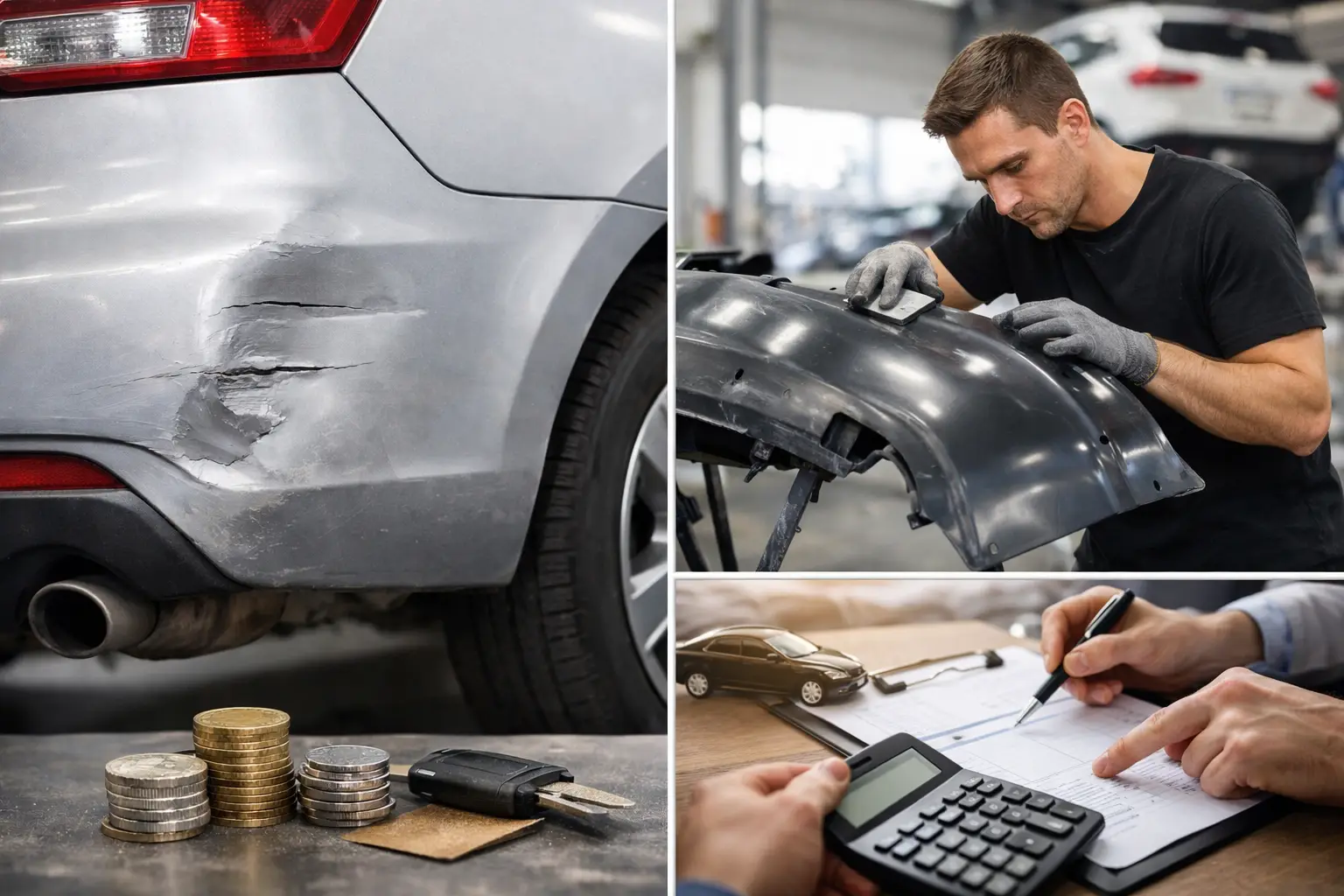
That small impact in a parking lot can turn into a bigger repair bill than most drivers expect. Car bumper repair cost depends on more than the size of the mark you can see. The material of the bumper, hidden damage underneath, paint matching, sensor calibration, and whether the part can be repaired at all all play a role.
For drivers in Lakeland, that matters because bumper damage is rarely just cosmetic. A modern bumper is part of the vehicle’s protective system, and even a low-speed hit can affect clips, brackets, absorbers, and electronics behind the cover. If you are trying to estimate what your repair might cost, the real answer is usually not one flat number. It depends on what was damaged and how far the repair needs to go.
What affects car bumper repair cost
The biggest factor is the type of damage. Light scratches and paint scuffs are usually at the lower end because the bumper may only need sanding, prep work, and refinishing. Once the bumper has cracks, punctures, torn mounting points, or distortion from impact, labor and materials increase quickly.
Bumper material also matters. Many modern bumpers are plastic composites designed to flex, but not every crack or split can be repaired cleanly. Some plastic repairs hold well and refinish nicely. Others fail because the damage is too deep or the structure around the damaged area is weakened.
Paint work is another major cost factor. A bumper repair is not just filling a scratch and spraying color over it. A quality job requires surface prep, primer when needed, color matching, and clear coat. Pearl, tri-coat, and specialty finishes usually cost more because they take more time to match and blend correctly.
Then there is hidden damage. A bumper cover may look lightly scuffed while the brackets, reinforcement components, or absorber behind it have shifted or cracked. That is one reason estimates often change after teardown. What looks simple from the outside can become a larger repair once the bumper is removed and inspected.
Typical price ranges for bumper damage
A minor bumper scuff or scratch repair is often the least expensive category. If the damage is mostly in the paint and the bumper structure is still sound, the job may stay relatively straightforward. In many cases, this type of repair falls into a few hundred dollars, especially when the affected area is limited.
Moderate damage usually means deeper gouges, small cracks, dents in the bumper cover, or sections that need plastic repair before paint. That level of work generally costs more because the repair involves both body labor and refinishing labor. At this stage, the bill can move from a basic cosmetic fix into a more involved restoration.
Severe bumper damage costs more because repair may no longer be the best option. If the bumper is split, deformed, pulled away from the vehicle, or the mounting system is broken, replacement may make more financial sense than trying to save the original part. Once replacement, paint, installation, and possible recalibration are added, the total can rise significantly.
As a general rule, simple cosmetic repairs are the least expensive, repairable structural damage falls in the middle, and full replacement with paint and related parts is the highest category. That is why two vehicles with what looks like similar bumper damage can end up with very different estimates.
Repair vs replacement
This is where many customers want a yes-or-no answer, but the honest answer is that it depends. A repair is usually the better value when the bumper has limited cosmetic damage, minor cracking, or isolated defects that can be restored without compromising fit or finish.
Replacement becomes the better route when the bumper has large cracks, torn tabs, heavy distortion, or damage around sensor mounting areas. In those cases, repairing the old part can take more labor than installing a new one, and the final result may still not be as clean or as durable.
A professional estimate should weigh both options. The goal is not just to choose the cheapest number on paper. It is to restore the vehicle properly, make sure the bumper fits correctly, and ensure the finish matches the rest of the car.
Why paint and color matching matter
A bumper is one of the most visible parts of the vehicle, so poor paint work stands out fast. Even when the structural repair is done well, a mismatch in color or gloss can make the car look unfinished.
This is especially relevant with metallic, pearl, and tri-coat finishes. Those colors can shift depending on light angle and spray technique. A lower estimate may not always account for the time needed to match the finish well. That is one reason quality bumper repair and paint work often go together.
In a full-service body shop, the repair and refinishing process is handled as one job rather than split between separate vendors. For customers, that usually means better coordination, more consistent quality control, and fewer delays.
Sensors, cameras, and modern bumper systems
On many newer vehicles, the bumper does more than cover the front or rear end. It may house parking sensors, blind spot monitoring components, camera systems, or radar-related features. If those parts are affected by the impact or removed during repair, additional labor may be required.
That can increase car bumper repair cost even when the visible damage seems limited. A minor collision in a sensor-equipped bumper is not always a minor repair. Electrical checks, part replacement, and recalibration can all add to the final price.
This is one reason older and newer vehicles can have very different bumper repair costs. The basic damage may look similar, but the technology inside the bumper changes the job.
Front bumper vs rear bumper repair costs
There is no universal rule that one always costs more than the other, but front bumpers often involve more components. Depending on the vehicle, the front bumper area may include grilles, trim pieces, fog light openings, air inlets, sensor mounts, and other hardware.
Rear bumpers can also become expensive when backup sensors, camera components, or impact-related alignment issues are involved. The location matters less than the complexity of the bumper assembly and what was damaged with it.
For that reason, online averages only go so far. They can give you a rough expectation, but they cannot account for the exact make, model, trim level, paint color, and hidden damage on your vehicle.
Insurance claim or out of pocket?
If the damage is from a collision, many drivers ask whether they should use insurance or pay out of pocket. The answer depends on the repair cost, your deductible, and whether other vehicle damage is involved.
For very minor bumper repairs, paying out of pocket can sometimes be the simpler option if the total is close to or below your deductible. For larger damage, especially when there may be hidden structural or safety-related issues, going through insurance often makes more sense.
What matters most is getting an accurate inspection before deciding. Guessing based on the visible mark alone can lead to the wrong call.
How to keep bumper repair costs from climbing
The best way to control cost is to address damage early. Small cracks can spread. Loose bumper covers can strain mounting points. Exposed damage can also make the surface harder to refinish cleanly later.
It also helps to choose a shop that handles both body repair and paint work. When the repair, prep, and refinishing are managed together, the process is usually more efficient and the result is more consistent. For Lakeland drivers dealing with bumper damage, that can save time as well as rework.
A clear estimate should explain whether the bumper can be repaired, what refinishing is required, and whether there is any concern about hidden damage or sensor-related work. If a price seems unusually low, it is worth asking what is not included.
What to expect from a professional estimate
A solid bumper estimate starts with inspection, not guesswork. The shop should look at the visible damage, check fitment, inspect mounting areas, and consider whether the impact may have affected parts behind the bumper cover.
From there, the estimate should reflect the real scope of the repair. That includes body labor, paint labor, materials, parts if needed, and any calibration or related procedures required by the vehicle. In Lakeland, New Age Auto Painting works with customers who need both repair and refinishing completed professionally, which is especially important when bumper damage affects appearance and fit at the same time.
If your bumper has been scraped, cracked, or pushed out of place, the smartest next step is not hunting for a generic average online. It is getting the vehicle looked at by a qualified local body shop that can tell you what is repairable, what is not, and what it will take to get the car back to a clean, road-ready condition.