New Age Auto Painting Blog · May 3, 2026
Car Paint Oxidation Repair Lakeland
Need car paint oxidation repair Lakeland drivers can trust? Learn what causes fading, when polishing helps, and when repainting is the better fix.
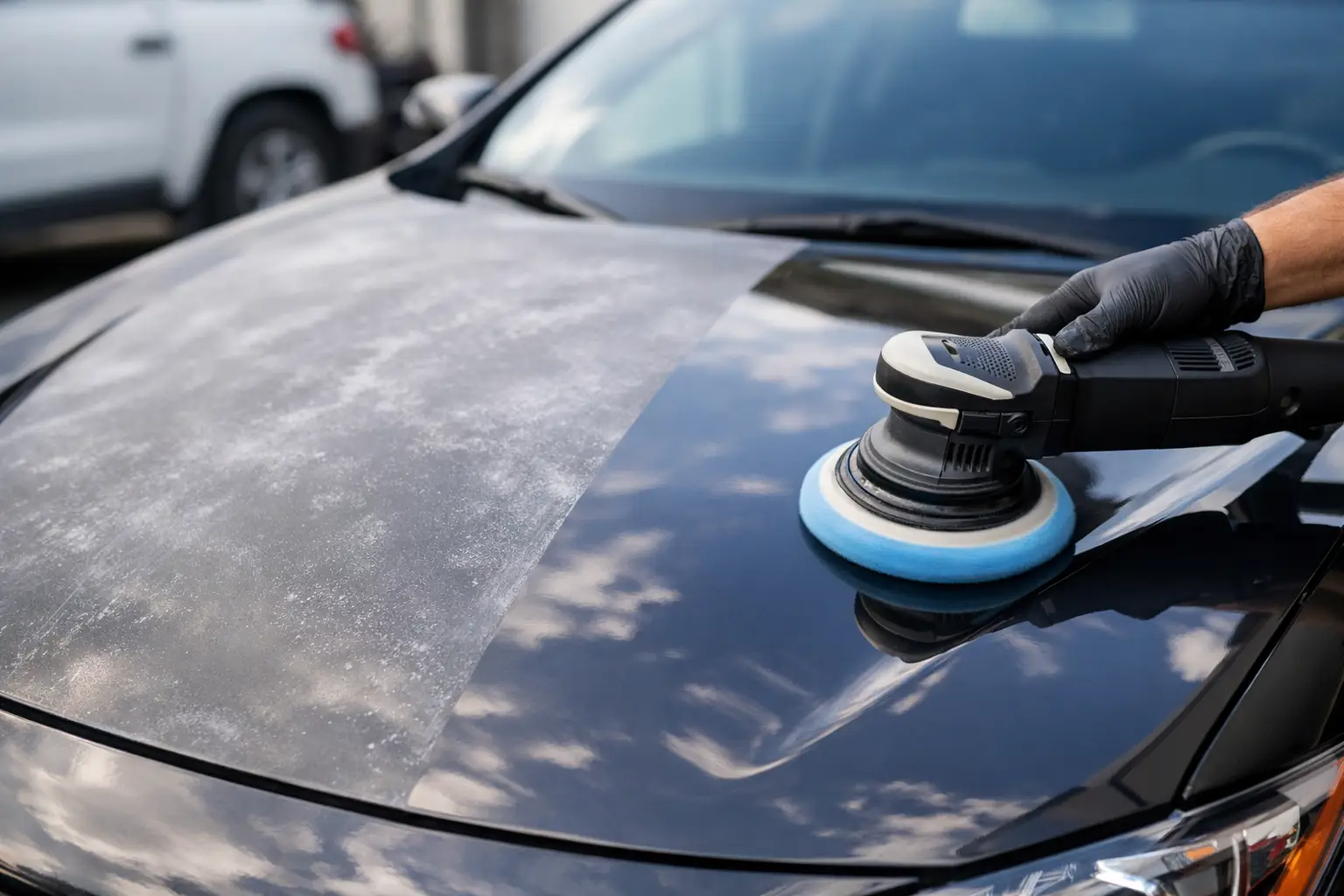
Florida sun is hard on vehicle paint, and Lakeland drivers see the results every day. If you are searching for car paint oxidation repair Lakeland services, you are probably dealing with fading, chalky spots, peeling clear coat, or a hood and roof that no longer match the rest of the vehicle. Oxidation is more than a cosmetic annoyance. Left alone, it can lead to deeper paint failure and a more expensive repair later.
Paint oxidation happens when heat, UV exposure, moisture, and air break down the outer surface of your vehicle’s finish. It usually starts slowly. Dark colors may look cloudy or flat. Lighter colors can appear dull and uneven. Red, black, and blue vehicles often show oxidation faster, especially if they spend most of their time parked outside.
What car paint oxidation looks like
Many drivers notice oxidation before they know what it is. The paint stops reflecting light the way it used to. Instead of a smooth gloss, the surface looks dry, hazy, or chalky. On older damage, the clear coat may begin to fail, leaving rough patches or peeling edges.
There is a difference between oxidation and ordinary dirt or surface contamination. Dirt washes off. Oxidation does not. You can clean the vehicle thoroughly and still see a faded, tired finish. If the paint feels rough after washing or the color looks uneven in direct sunlight, oxidation is likely part of the problem.
Another common issue is confusion between oxidation and clear coat failure. Mild oxidation may be corrected with polishing or paint correction. Clear coat failure usually means the protective top layer has already broken down too far, and repainting becomes the more durable solution. That distinction matters because it affects both cost and repair method.
Why oxidation is common in Lakeland
Heat, UV exposure, and outdoor parking
Lakeland vehicles deal with strong sun for much of the year. UV rays slowly break down paint binders and clear coat protection. When a car sits outside day after day, especially without regular waxing or paint protection, the surface takes the full impact.
Heat speeds up that process. So does humidity, sudden rain, and airborne contaminants that sit on the paint. Vehicles that are rarely washed or protected typically show damage sooner. Daily commuters, work vehicles, and family cars that stay in open driveways or parking lots are especially vulnerable.
Age and prior paint condition
Older paint systems and vehicles with previous surface damage are more likely to oxidize. If a car has thin clear coat, older refinishing work, or areas that were never properly maintained, those sections may fade faster than the rest of the body. Oxidation also tends to show up first on horizontal panels like the hood, roof, and trunk because those surfaces receive the most sun exposure.
Car paint oxidation repair Lakeland drivers should expect
The right repair depends on how far the oxidation has progressed. A professional shop should inspect the finish first instead of giving a one-size-fits-all answer. In some cases, the paint can be restored. In others, the only lasting fix is refinishing the affected panels.
If oxidation is light to moderate, paint correction may improve the finish significantly. This process removes dead, damaged material from the surface and polishes the paint to restore gloss. It works best when the clear coat still has enough integrity to be corrected safely. The result can be a major visual improvement, but it depends on the condition of the existing finish.
When oxidation is severe, polishing alone is usually not enough. If the paint is heavily faded, rough, peeling, or missing clear coat, the damaged material has to be removed and the panel refinished properly. That may include sanding, prep work, primer where needed, color matching, and clear coat application. This approach takes more work, but it gives a more complete and longer-lasting repair.
When polishing helps and when repainting is better
Polishing and paint correction
Polishing makes sense when the damage is mostly on the surface and the underlying paint is still stable. This option is often faster and less expensive than repainting. It can restore shine, improve color depth, and make the vehicle look dramatically better.
The trade-off is that paint correction has limits. It cannot replace missing clear coat. It cannot fix peeling. And if the paint has thinned too much over time, aggressive correction may not be advisable. A responsible shop will tell you when polishing is worth it and when it is only a temporary improvement.
Repainting oxidized panels
Repainting is usually the better option when oxidation has moved beyond surface dullness. If the hood is burned out, the roof is chalky, or the clear coat is failing in sheets, refinishing the panel is the more reliable fix. This is also the right path when appearance matters and you want the repaired area to match the rest of the vehicle as closely as possible.
Proper repainting is not just spraying over damaged paint. The failed material has to be addressed first. Surface prep, panel condition, and color match all affect the final result. That is why drivers often prefer a shop that handles both body work and paint in one place. If the vehicle also has dents, scratches, or accident-related damage, those issues can be corrected as part of the same repair process.
Why professional repair matters
Oxidation repair is one of those jobs that looks simple until the finish starts failing again. Quick DIY products can add temporary shine, but they do not solve deeper paint breakdown. In some cases, over-the-counter compounds can even leave swirl marks or uneven spots if they are used too aggressively.
Professional repair starts with diagnosis. The technician needs to determine whether the paint can be corrected or whether it needs refinishing. That means looking at clear coat thickness, checking the extent of fading, and evaluating whether the damage is isolated or spread across multiple panels.
A professional shop also has the equipment to prepare and refinish the surface properly. That includes controlled sanding, paint matching, and clear coat application designed for durability. For Lakeland drivers, that matters because repaired paint still has to hold up under Florida weather.
What affects the cost of oxidation repair
Cost depends on the severity of the damage and how many panels are affected. A lightly oxidized hood may need a very different repair than a vehicle with widespread clear coat failure on the hood, roof, and trunk. Labor, prep time, paint materials, and blending requirements all influence the final price.
Vehicle color can also make a difference. Some colors are easier to correct or match than others. Metallic finishes, pearl paints, and panels with uneven sun exposure may require additional work to produce a consistent appearance. If oxidation is combined with dents, scratches, or body damage, repair scope increases further.
The cheapest option is not always the best value. A low-cost cosmetic fix may look acceptable for a short time, then fade again because the underlying damage was never fully addressed. A more complete repair can cost more upfront but save money by avoiding repeat work.
How to slow oxidation after repair
Once the paint has been restored, maintenance matters. Regular washing removes contaminants that sit on the surface and accelerate wear. Parking in a garage or shaded area helps reduce UV exposure. Protective waxes or sealants can also add a layer of defense, although they still need to be reapplied on schedule.
If you notice the finish starting to lose gloss again, address it early. Mild oxidation is much easier to correct than advanced paint failure. Waiting too long usually narrows your repair options and increases the chance that repainting will be necessary.
For Lakeland-area vehicle owners, routine care is not about keeping a show car perfect. It is about protecting the finish so your vehicle stays presentable and avoids avoidable paint damage.
Choosing a local shop for car paint oxidation repair Lakeland
When comparing repair shops, ask how they determine whether a panel can be corrected or needs repainting. A quality shop should be able to explain the condition of the paint, the repair method they recommend, and what kind of result you can realistically expect. Straight answers matter here.
It also helps to choose a shop that regularly handles both paint and body restoration. Oxidation often appears alongside other exterior issues, and it is easier for the vehicle owner when one team can manage the full repair. New Age Auto Painting serves Lakeland drivers who need that kind of appearance restoration with practical, professional service.
If your paint is faded, chalky, or starting to fail, waiting usually makes the repair harder. Getting the vehicle inspected now gives you a clearer path forward and a better chance of restoring the finish before the damage spreads further.