New Age Auto Painting Blog · April 19, 2026
Car Repainting Lakeland FL: What to Expect
Need car repainting Lakeland FL drivers can trust? Learn what affects cost, quality, prep, color match, and when repainting makes sense.
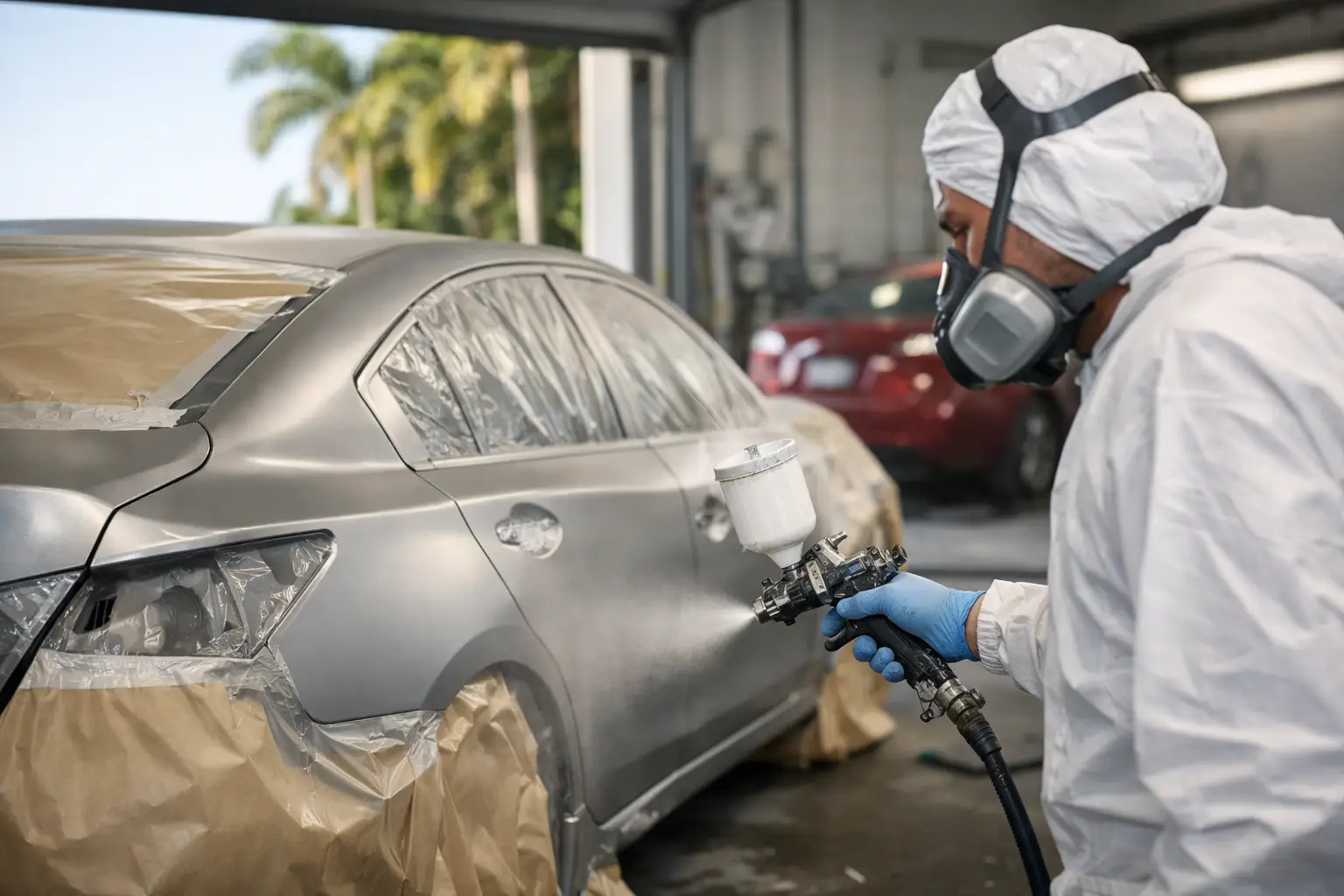
A faded hood, peeling clear coat, or deep scratches can make a solid vehicle look older than it is. If you are searching for car repainting Lakeland FL drivers actually need, the real question is not just who can spray new color. It is who can repair the surface correctly, match the finish, and deliver a result that holds up in Florida heat, rain, and daily driving.
When car repainting in Lakeland FL makes sense
Not every paint issue needs a full repaint, and not every damaged panel can be fixed with a quick touch-up. The right solution depends on the condition of the existing finish, the size of the damage, and whether there is body damage under the paint.
If your vehicle has isolated scratches, small chips, or minor surface blemishes, spot repair may be enough. If the clear coat is failing across multiple panels, the paint is oxidized, or previous repairs were poorly matched, repainting becomes the better long-term option. After a collision, repainting is often part of a larger repair process because dents, panel alignment, filler work, and priming all affect how the final finish looks.
This is where a full-service body and paint shop matters. Paint alone cannot hide bad body work. A straight panel, smooth prep, and proper primer base are what make the final color look clean instead of uneven.
What a quality repaint job actually involves
A lot of customers picture repainting as masking the car and spraying fresh paint over the old finish. Professional work is much more controlled than that. The process starts with inspection. A shop needs to determine whether the issue is cosmetic only or whether there are dents, rust spots, cracked filler, or collision-related damage that must be corrected first.
Surface preparation is one of the biggest factors in the final result. Damaged paint may need to be sanded down, feathered, or removed. Imperfections in the panel are repaired. Primer is applied where needed to create a stable, even surface. Only after the prep work is complete does color application begin.
Color matching also matters more than most drivers expect. Even when the paint code is known, age, sun exposure, and factory variation can change how a color appears on the vehicle. That is why blending into adjacent panels is sometimes necessary. It adds time, but it prevents the repaired area from looking like a different shade in direct sunlight.
The final step is the clear coat, which protects the color and gives the finish depth and gloss. In Florida, that protective layer is especially important because UV exposure is hard on automotive paint.
Why Florida weather changes the repainting conversation
Lakeland drivers deal with conditions that are tough on vehicle finishes. Sun exposure can break down clear coat over time, especially on horizontal surfaces like roofs, hoods, and trunk lids. Rain, humidity, road grime, and heat all add wear. That is why repainting is not just about looks. In many cases, it also helps protect the underlying metal and body surfaces from further deterioration.
A vehicle parked outside every day will usually show paint wear sooner than one kept in a garage. Lighter cosmetic fading may not seem urgent at first, but once clear coat failure starts spreading, the finish becomes much harder to preserve. At that point, delaying repair can lead to larger sections needing refinishing.
It depends on the vehicle, too. A newer daily driver with localized damage may only need panel repainting. An older vehicle with widespread sun damage may need a more extensive refinishing plan to restore a consistent appearance.
What affects the cost of car repainting Lakeland FL
Price depends on more than color. The biggest cost factors are the size of the area being refinished, how much prep work is required, whether body repair is needed, and how complex the color match is.
A single panel with straightforward damage will cost less than multiple panels with peeling clear coat and prior repair issues. Metallic and pearl finishes often require more precision than standard colors. If dents, creases, or collision damage are involved, body work becomes part of the process before paint can even begin.
This is why the cheapest estimate is not always the best value. If prep work is rushed, edges are not handled correctly, or blending is skipped when it should be done, the paint job may look acceptable for a short time and disappointing after a few months. Good repainting work is built on repair quality, not just fresh color.
Full repaint or panel repaint?
For many vehicles, a full repaint is not necessary. If damage is limited to one door, a bumper, or a fender, repainting only the affected area may be the right move. That keeps costs lower and reduces downtime while still restoring appearance.
A full repaint makes more sense when the finish is failing across large sections of the vehicle, when color consistency has become a problem, or when the owner wants a more complete cosmetic reset. It can also make sense after extensive body repair if several panels have already been repaired and primed.
The right answer depends on the vehicle’s condition and your goals. If you plan to keep the car for years, broader refinishing may be worth it. If your main goal is to correct visible damage and get back on the road with a clean, professional finish, targeted repainting is often the practical choice.
Signs a repaint job will not last
Customers often ask how to tell the difference between a quality paint job and one that will fail early. Some warning signs show up quickly. Poor masking lines, rough texture, overspray, and visible color mismatch are obvious concerns. Others take a little time to appear, such as peeling around edges, loss of gloss, or shrinking around repaired areas.
Most early paint failure comes back to preparation. If the old surface was not properly sanded, if contaminants were left in place, or if damaged material under the paint was not repaired correctly, the finish may not bond the way it should. A repaint should look good when it leaves the shop, but it should also stay stable through washing, sun exposure, and normal use.
That is why local experience matters. A shop that regularly handles body repair and refinishing work understands how to build a finish that performs well under local driving and weather conditions.
Why body repair and paint should work together
Many repainting jobs are tied to more than surface wear. Scratches often come with dents. Bumper damage may include cracked plastic or misalignment. Collision damage can affect panel shape, fit, and surface integrity long before paint is applied.
Having body repair and paint services handled together helps avoid disconnects between vendors. The repair side and refinishing side need to support the same outcome. If the panel is not straight, the paint will not fix it. If the color is right but the body lines are off, the repair still looks incomplete.
That full-service approach is one reason some Lakeland vehicle owners choose a shop like New Age Auto Painting. When the structural or cosmetic repair work is coordinated with the refinishing process, the result is usually more consistent and more efficient.
How to prepare your vehicle for a repaint estimate
If you are getting an estimate, it helps to know what the shop needs to see. Leave the vehicle as-is rather than trying to polish over the damage. Wash off heavy dirt if needed, but do not attempt DIY fixes first. Temporary products can make it harder to evaluate the true condition of the surface.
Be clear about what happened and when. If the issue followed an accident, mention that. If the finish has been fading for years in the sun, say so. If a previous repair never matched correctly, that is relevant too. The more accurate the background, the easier it is to recommend the right repair plan.
It also helps to explain your priorities. Some drivers want the damaged area corrected as efficiently as possible. Others want the vehicle restored as close to like-new as practical. Those are different goals, and the scope of repainting may change based on what matters most to you.
Choosing a local repainting shop in Lakeland
When comparing shops, look beyond whether paint services are listed. Ask whether the shop also performs auto body and collision-related repairs, how color matching is handled, and whether the recommendation is a full repaint, partial repaint, or blend. A professional shop should be able to explain why a certain approach fits your vehicle.
Local drivers are usually looking for the same outcome - a vehicle that looks right, drives right, and does not need to bounce between multiple places to get there. Repainting is part appearance, part repair discipline. When it is done correctly, it restores confidence in the vehicle as much as the finish itself.
If your paint damage has moved past a minor cosmetic issue, getting it looked at sooner can save time and frustration later. A clear, honest estimate from a Lakeland shop can tell you whether you need a simple panel refinish or a more complete restoration, and that gives you a better path forward than guessing from the parking lot.