New Age Auto Painting Blog · June 22, 2026
Car Scratch Repair Guide for Florida Drivers
Use this car scratch repair guide to tell light surface damage from deeper paint issues and know when a professional repair makes sense.
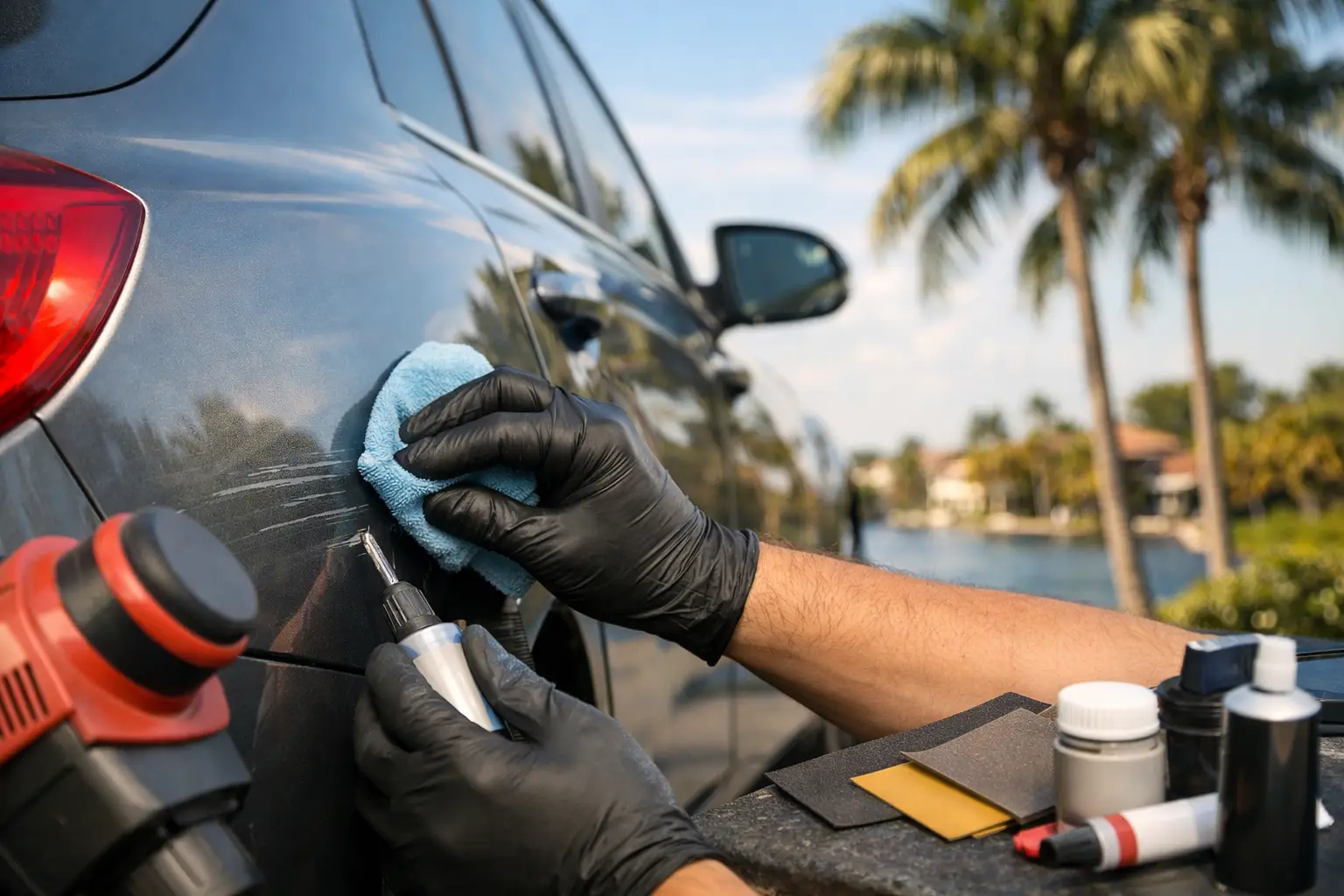
That scratch may look minor in the driveway, but under Florida sun it can become a bigger paint problem fast. This car scratch repair guide is built for Lakeland-area drivers who want to know what can be handled as a small cosmetic fix, what should be repaired professionally, and how to keep the damage from spreading.
Not every scratch means the same thing. Some only affect the clear coat and barely need more than polishing. Others cut through the color and expose primer or bare metal, which changes the repair entirely. The right fix depends on depth, location, paint color, and how noticeable you want the final result to be.
How to Read the Damage Before You Repair It
The first step in any car scratch repair guide is identifying what layer has been damaged. Modern automotive paint usually has three main layers - primer, color, and clear coat. A light surface mark may only sit in the clear coat. A deeper scratch can cut into the base color. If you see gray, white, or metal underneath, the damage has gone beyond a simple cosmetic scuff.
A quick visual inspection helps, but lighting matters. What looks light in shade can show up much deeper in direct sunlight. Run a fingernail gently across the scratch. If your nail does not catch much, the mark may polish out or improve significantly. If it catches clearly, the scratch is usually too deep for a simple buffing job.
Location also matters. A scratch on a flat door panel is easier to correct cleanly than one on a body line, bumper corner, or panel edge. Those areas are harder to blend and often show repair work more easily if the process is rushed.
The Three Main Scratch Types
Most vehicle scratches fall into three categories. Clear coat scratches are the lightest and often come from brushes, debris, or improper washing. These are the marks that may respond well to polishing or paint correction.
Base coat scratches go deeper and affect the actual color layer. Once the color is damaged, polishing alone will not restore it. The area may need touch-up work, localized refinishing, or panel painting depending on the size and visibility.
Primer or metal-level scratches are the most urgent. These are the scratches that can allow moisture, contamination, and oxidation to affect the panel. On steel panels, that can lead to rust. In Florida, where heat, rain, and humidity are constant factors, exposed areas should not be ignored for long.
What a DIY Fix Can and Cannot Do
Some drivers look up a car scratch repair guide because they want a quick weekend solution. That makes sense for very light surface marks, especially if the goal is improvement rather than a like-new finish. A quality polish, a microfiber towel, and careful technique can reduce the appearance of clear coat scratches and scuffs.
Touch-up paint can also help in certain cases, but expectations need to stay realistic. Small chips and narrow scratches can often be made less visible with the right color match and a steady hand. That is different from making the panel look factory-finished. Touch-up work usually helps from a few feet away, not inches away.
Where DIY often falls short is color match, texture, and blending. Metallic paints, pearl finishes, and darker colors tend to show uneven repair work more easily. It is also common for drivers to use too much compound, the wrong pad, or mismatched touch-up paint, which can make the area more noticeable than the original scratch.
When Professional Scratch Repair Is the Better Move
If the scratch reaches primer or metal, professional repair is usually the better choice. The same applies if the scratch covers a large area, runs across multiple panels, or sits in a highly visible section of the vehicle. A repair that looks acceptable on an older work truck may not feel acceptable on a newer daily driver or family vehicle.
Professional repair becomes especially important when appearance and long-term durability both matter. Proper prep, sanding, refinishing, and paint blending are what make a repair hold up over time. Without those steps, even a repaired spot can fade differently, peel, or stand out under sunlight.
For Lakeland drivers, there is another practical reason to act sooner rather than later. Heat and moisture are hard on exposed paint damage. What starts as a cosmetic issue can turn into corrosion, especially on panels that already have edge wear or previous damage.
What a Body Shop Typically Does
A quality repair is more than adding paint to a line. First, the damaged area is cleaned and evaluated. If the scratch is shallow, paint correction may be enough. If it is deeper, the technician may sand the area, apply primer if needed, and refinish the section using the correct paint system.
Blending is often the step that separates a professional result from a patchy one. Matching color on a vehicle is not only about the paint code. Age, sun exposure, and the angle of the panel affect how the color reads. That is why adjacent panels may need blending for the repair to disappear as much as possible.
Bumper scratches can be their own category. Because bumpers are made of flexible material and often have curves, sensors, and textured sections, they may need different prep and refinishing methods than a metal fender or door.
Cost Depends on More Than Scratch Length
Drivers often ask how much scratch repair should cost, but the answer depends on repair depth, paint type, panel location, and the finish you expect. A small clear coat correction is very different from a full refinish on a bumper or door.
A short scratch can still cost more if it sits on a body line or requires color blending. On the other hand, a longer surface scuff may cost less if it can be corrected without repainting. The real question is not just how large the scratch is, but what it takes to restore the panel properly.
If your vehicle has multiple scratches, it may also make sense to address them together. Repairing several cosmetic issues at once can produce a cleaner overall result than fixing one mark at a time while leaving nearby damage untouched.
A Car Scratch Repair Guide for Florida Conditions
Florida conditions add wear to exterior finishes. UV exposure, road grit, storm debris, and frequent washing all affect paint over time. That does not mean every scratch needs major work, but it does mean exposed damage should be taken seriously.
Light scratches may stay cosmetic for a while. Deep scratches are different. Once the protective layers are broken, the panel is more vulnerable. Even aluminum or plastic panels can still suffer from finish failure, discoloration, or surrounding paint breakdown if damage is left open too long.
This matters even more for vehicles parked outside every day. A garage-kept vehicle and a commuter parked in open lots will not age the same way. If your car spends most of its time outdoors, small paint problems tend to get worse faster.
How to Choose the Right Repair Approach
If the scratch is faint, does not catch a fingernail, and is only visible at certain angles, start with inspection and paint correction. If the mark cuts through color, looks white or gray, or has rough edges, assume a more involved repair may be needed.
If the scratch is on a lease vehicle, newer model, or a car you plan to sell soon, a cleaner professional finish usually makes more sense. If it is an older vehicle and the goal is simply to protect the panel, a less intensive repair may be enough. It depends on your standards, your budget, and how long you plan to keep the vehicle.
For drivers who want both appearance and durability handled the right way, working with a local shop that understands auto body repair and paint refinishing under one roof can save time and avoid inconsistent results. That is where a shop like New Age Auto Painting fits the need for many Lakeland-area vehicle owners.
Preventing the Next Scratch
Good washing habits help more than most people think. Dirty sponges, automatic brushes, and wiping dry dust across paint create many of the surface marks drivers later want removed. Hand washing with clean materials and drying properly reduces that wear.
It also helps to remove bird droppings, sap, and road residue quickly. Those contaminants weaken the finish and make scratches more likely during cleaning. Parking choices matter too. Tight spaces, shopping carts, and overgrown landscaping are common causes of preventable paint damage.
If you notice a new scratch, do not wait months to evaluate it. Even if you are not ready to repair it right away, knowing whether it is clear coat, color, or metal-level damage gives you a better chance of protecting the vehicle before the problem gets more expensive.
A scratch does not always require a full repaint, but it always deserves the right diagnosis. The sooner you know what kind of damage you are dealing with, the easier it is to make a smart repair decision and keep your vehicle looking the way it should.