New Age Auto Painting Blog · April 8, 2026
Certified Collision Center Lakeland Guide
Need a certified collision center Lakeland drivers can trust? Learn what certification means, what to expect, and how to choose the right shop.
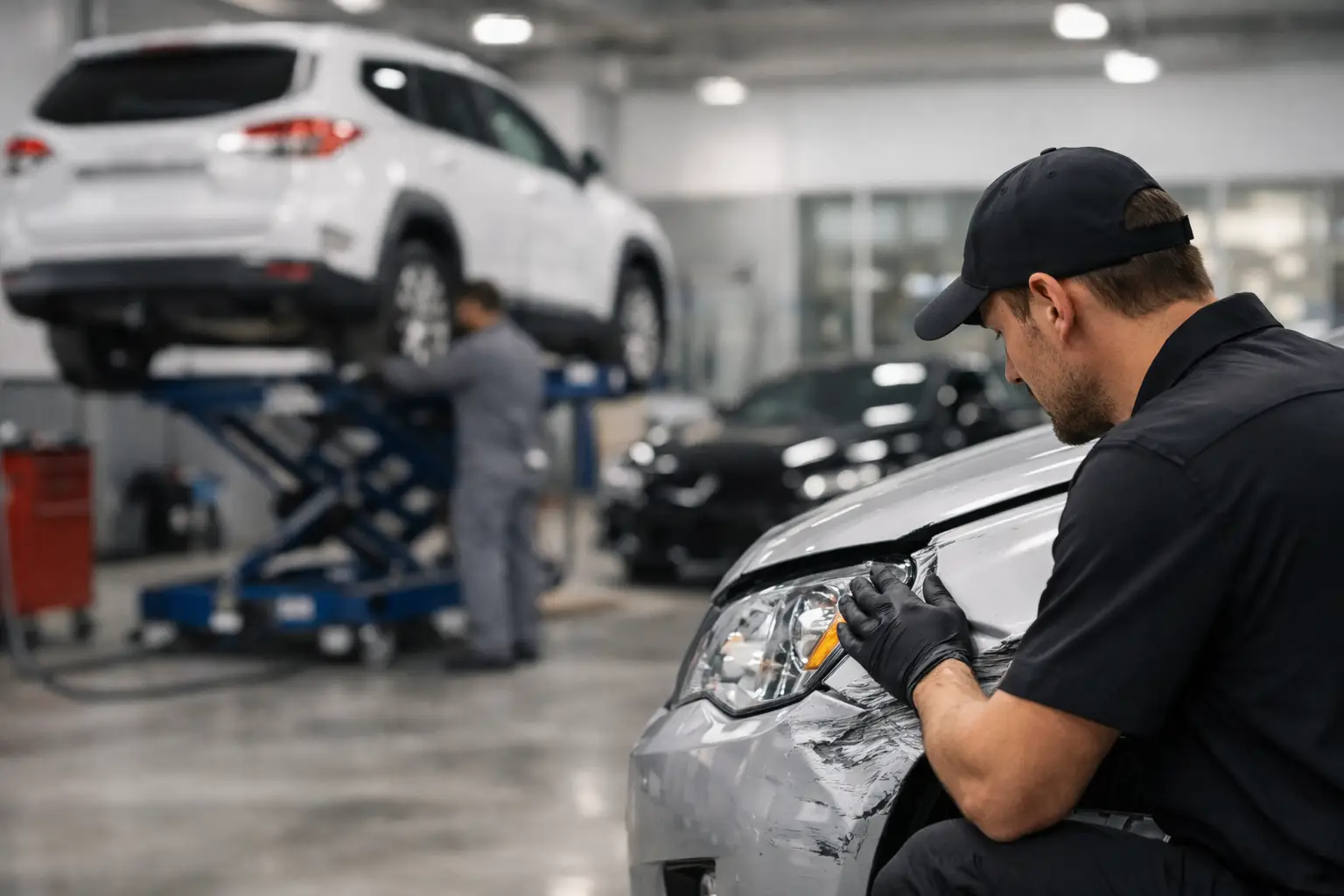
After a crash, most drivers want the same thing - safe repairs, clean paint work, and a car that looks right again. If you are searching for a certified collision center Lakeland drivers can rely on, it helps to know what that label should actually mean before you hand over your keys.
A collision repair shop is not just fixing dents. Modern vehicles are built with advanced materials, sensors, safety systems, and factory repair procedures that affect how repairs should be done. Choosing the right shop matters for appearance, but it matters even more for structural integrity, panel fit, paint match, and how your vehicle performs on the road after repairs are complete.
What a certified collision center in Lakeland should offer
The word certified gets used often, but customers should look past the label and ask what supports it. A qualified collision center should have the equipment, repair knowledge, and process control needed to handle both body repair and refinishing correctly.
That starts with damage assessment. Some collision damage is obvious, like crushed panels, broken lights, or scraped paint. Other damage is hidden behind the bumper, inside quarter panels, or in structural areas that affect alignment and impact performance. A capable shop should inspect more than the visible surface.
Repair quality also depends on how the shop handles refinishing. Paint work is not separate from body work - it is part of the final repair result. If a panel is repaired well but the color match is off, the vehicle still does not look right. If paint is blended poorly or the finish texture is uneven, the repair remains noticeable. Drivers in Lakeland who want one shop to manage both collision repairs and paint restoration often save time and reduce confusion during the repair process.
Why certification matters after an accident
Not every accident requires the same level of repair, and that is where certification becomes more than a marketing term. Vehicles today may include lane departure sensors, backup camera systems, parking assist features, and structural designs that require repair methods based on manufacturer standards.
A certified collision center in Lakeland should follow repair procedures instead of guessing based on older methods. That can affect how damaged parts are repaired or replaced, how measurements are checked, and how refinishing is completed around trim, sensors, and adjacent panels.
For customers, the practical benefit is confidence. You are not just paying to cover damage. You are paying to restore the vehicle as closely as possible to its proper pre-accident condition. That includes safety, drivability, appearance, and value.
There is also a trade-off to understand. Higher-standard repair work can take more time than a quick cosmetic patch. If a shop is inspecting hidden damage, confirming measurements, and handling paint preparation correctly, the process may not be as fast as a low-cost shortcut. For most drivers, that extra care is worth it.
How to evaluate a certified collision center Lakeland shop
If you are comparing local repair shops, a few details tell you a lot about how they operate. First, ask whether they handle both collision repair and painting in-house. When those services are split between vendors, delays and communication problems are more likely. A shop that manages body repair and refinishing under one roof can usually keep the process more controlled from start to finish.
Next, ask how they approach estimates. A solid estimate should reflect visible damage while also leaving room for damage discovered during teardown. That does not mean the first number was wrong. It means collision damage is sometimes deeper than what can be seen from the parking lot.
You should also ask about panel alignment, paint matching, and finish quality. Good collision repair is not only about replacing broken parts. It is about getting gaps, contours, and color consistency right so the repair blends with the rest of the vehicle.
Communication matters too. Drivers dealing with insurance claims, rental cars, work schedules, and family transportation need updates they can understand. A professional shop should explain what is happening, what delays exist if parts are backordered, and what the next step looks like.
Common repairs drivers in Lakeland often need
Collision repair covers a wide range of problems. Some customers come in after a major accident. Others need help with what looks like minor damage that still affects body lines, paint, or safety components.
Front-end damage is common, especially after rear-end and intersection collisions. That can involve bumpers, fenders, hoods, grilles, headlights, and support components hidden behind the visible exterior. Side damage often affects doors, quarter panels, rocker panels, and paint blending across multiple panels.
Lakeland drivers also deal with everyday body damage that is not always tied to a major crash. Parking lot dents, scraped bumpers, paint damage, and body panel creases can all lower a vehicle’s appearance and resale appeal. In many of these cases, customers want the vehicle to look clean and professionally restored without bouncing between a body shop and a separate paint provider.
That full-service approach is one reason local shops with collision and paint expertise are valuable. It creates a more direct path from damaged vehicle to finished repair.
Why paint quality is part of collision quality
A lot of customers focus first on the body damage, which makes sense. But paint quality is what most people notice every day after the repair is finished. If the gloss is uneven, the color does not match, or repaired areas stand out in sunlight, the vehicle still feels damaged even if the structure is sound.
Proper paint work depends on preparation. Surfaces have to be repaired, smoothed, primed, and refinished with attention to color match and blending. That is especially important with metallic finishes, pearl colors, and newer paint systems where slight variation can become obvious from one angle to another.
This is where a shop with dedicated refinishing experience has an advantage. Customers are not just asking for damage removal. They want the repaired area to look right alongside the original finish. For many Lakeland drivers, that visual result is a major part of feeling like the car is truly restored.
What to expect during the repair process
A professional repair process usually starts with an inspection and estimate, then moves into disassembly if needed to identify hidden damage. Once the full scope of repair is clear, the shop can order parts, complete structural or body work, and move into refinishing and reassembly.
The timeline depends on the severity of the damage, parts availability, and whether insurance approval is involved. Minor cosmetic work may move quickly. More extensive collision repairs can take longer, especially if multiple panels, structural components, or calibration-related steps are part of the job.
Customers should expect some variation rather than a one-size-fits-all promise. A trustworthy shop will explain the process clearly instead of overselling speed. Fast turnaround matters, but not at the expense of repair quality.
Choosing a local shop that understands Lakeland drivers
Working with a local collision center often makes the process easier because the shop understands the needs of area drivers. People here depend on their vehicles for commuting, school pickup, errands, and daily family use. Repairs need to be handled efficiently, but they also need to be done right the first time.
A local provider should be easy to reach, direct in communication, and focused on practical results. That means clear estimates, realistic timelines, and repair work that restores both safety and appearance. It also means understanding that many customers are not car experts. They need straightforward answers, not vague explanations.
For drivers who want one place to handle collision repair and refinishing, New Age Auto Painting at https://newagepainting.replit.app/ reflects that kind of focused local service model. The benefit is simple - fewer handoffs, clearer communication, and a repair process built around restoring the vehicle fully rather than partially.
When certification should influence your decision most
If your vehicle has moderate to severe accident damage, newer safety features, or visible paint damage across multiple panels, shop quality becomes even more important. The more complex the repair, the less room there is for shortcuts.
That does not mean every small dent requires the same level of structural repair planning. But if the accident involved impact to key body sections, front or rear assemblies, or areas near sensors and lighting systems, choosing carefully matters. The goal is not just to make the damage less visible. The goal is to restore the vehicle properly.
The best next step is to ask direct questions, compare repair capabilities, and choose a shop that treats body work and paint quality as part of the same job. When your vehicle has been damaged, a good repair should give you something solid to rely on - a car that looks right, drives right, and feels road-ready again.