New Age Auto Painting Blog · May 21, 2026
Collision Repair vs Auto Body Work
Collision repair vs auto body work explained clearly for Lakeland drivers, including what each service covers, when you need them, and why.
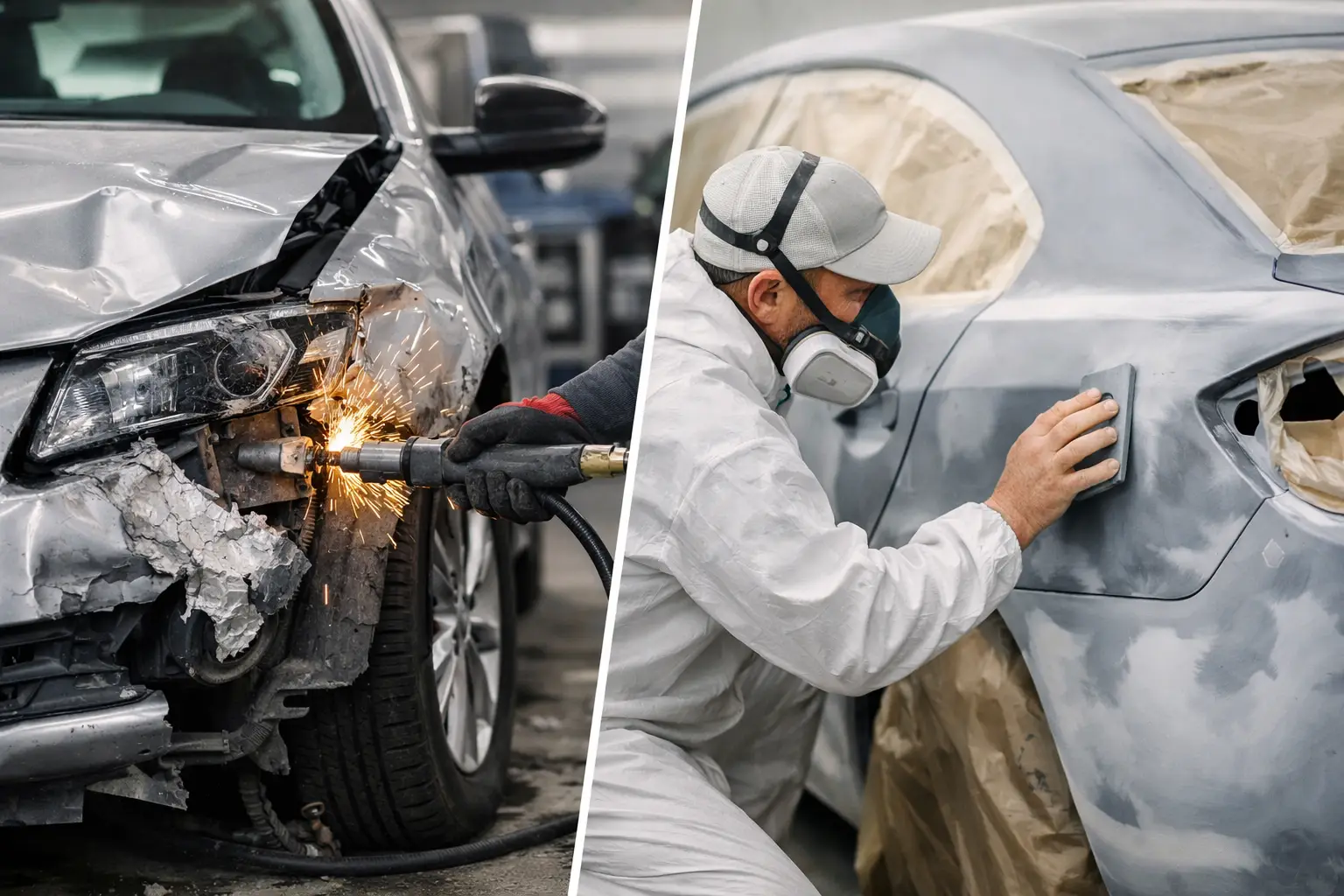
After an accident or even a minor parking lot hit, most drivers want the same thing - get the vehicle fixed correctly, make it look right again, and move on. That is where the question of collision repair vs auto body work comes up. People often use the terms interchangeably, but they do not always mean the same service.
If you are looking for repairs in Lakeland, understanding the difference can save time and help you ask better questions at the shop. Some damage is mostly cosmetic. Other damage affects how the vehicle absorbs impact, how panels align, or whether it is truly safe to drive. Knowing which service applies helps you set the right expectations from the start.
What is the difference between collision repair vs auto body work?
The short answer is that collision repair usually refers to damage caused by an accident, while auto body work is a broader term that can include accident damage, cosmetic repairs, and appearance restoration.
Collision repair is typically more structural and damage-focused. It may involve repairing or replacing damaged body panels, straightening the frame or unibody, correcting alignment issues, and preparing the vehicle for refinishing after an impact. When a car has been in a crash, the repair process often goes beyond what you can see on the surface.
Auto body work includes collision-related repairs, but it also covers non-accident issues such as dents, dings, scratches, rust spots, chipped paint, panel replacement, and surface preparation for painting. In many cases, auto body work is about restoring the vehicle’s exterior appearance, although it can also include functional panel repair.
That is why the two terms overlap. A collision repair job almost always includes auto body work, but auto body work does not always involve collision repair.
When collision repair is the right service
If your vehicle was hit in traffic, backed into, sideswiped, or damaged in a more serious impact, collision repair is usually the right category. The visible damage might be a crumpled fender or broken bumper, but the bigger concern is what happened underneath.
A modern vehicle is built with engineered crumple zones, mounting points, sensors, and structural components that all work together. Even a moderate impact can shift panels, affect door gaps, damage supports behind the bumper, or throw off alignment. If those issues are not addressed properly, the vehicle may not perform as intended in another accident.
This is where a collision repair shop evaluates the full extent of damage, not just the parts you can see. The repair may involve disassembly, measuring structural areas, replacing damaged components, and refinishing repaired sections so the vehicle looks consistent again.
For Lakeland drivers, this matters after everything from a major roadway crash to a low-speed impact in a crowded shopping center lot. The damage may look minor at first glance, but once parts come off, hidden damage can change the scope of the job.
When auto body work is enough
Not every repair calls for full collision service. If your vehicle has cosmetic damage but no sign of structural impact, general auto body work may be all you need.
This often includes dents from doors or carts, scraped bumpers, minor panel damage, peeling clear coat, chipped paint, or surface rust. In those cases, the goal is to restore the exterior without dealing with accident-related structural correction. The work may involve dent repair, sanding, filling, panel reshaping, paint matching, and refinishing.
Auto body work is also common for older vehicles that have picked up wear over time. A car can still run well but look rough because of sun-faded paint, scratches, and body damage from everyday use. Repairing and repainting those areas can improve appearance and protect the metal underneath.
That said, there is sometimes a gray area. A bumper scrape may seem cosmetic, but the impact could have affected brackets or hidden supports. A dented quarter panel may look simple but require more extensive repair to restore the shape correctly. That is why a professional inspection matters.
Why the terms get used interchangeably
Most customers are not expected to separate these definitions perfectly, and many shops know that. Someone searching online after an accident may type auto body shop, collision repair, body repair, or dent repair and still be looking for the same basic outcome - a safe, presentable vehicle.
The overlap happens because both services involve the vehicle’s exterior and often end with paintwork. If a fender is replaced after a crash, that is collision repair and auto body work. If a bumper is repaired because of a scrape and then repainted, that is auto body work, even if no major collision was involved.
From the customer’s side, the main issue is not the label. It is whether the shop can handle the type of damage your vehicle actually has.
Collision repair vs auto body work and paint services
Paint work is often the finishing stage that brings everything together. Whether the vehicle needs collision repair or general auto body work, the final result depends heavily on surface prep, color matching, and proper refinishing.
A panel can be repaired well structurally and still look off if the paint does not match. The same goes for cosmetic body work. A dent repair is only complete when the finish blends properly with the rest of the vehicle.
That is one reason many drivers prefer a shop that handles both body repair and painting. Keeping repairs and refinishing under one roof can reduce delays, improve consistency, and make the process more straightforward. For customers in Lakeland who do not want to manage multiple vendors, that convenience matters.
What to ask a shop before approving repairs
If you are comparing repair options, ask direct questions. Will the shop inspect for hidden damage? Do they handle structural repairs, cosmetic body work, and painting in one place? Will damaged panels be repaired or replaced? How will they match the existing paint?
You should also ask what the estimate includes and whether the scope could change after teardown. That is especially relevant for collision repair, where concealed damage is common. A low initial estimate does not always mean a lower final cost if important issues have not been identified yet.
For cosmetic auto body work, ask about the repair approach. Sometimes paintless dent repair may be possible. In other cases, conventional body repair and repainting will produce a better result. It depends on the location, depth, and condition of the damaged area.
Choosing the right repair path for your vehicle
The right service depends on the cause and severity of the damage. If the vehicle was in an accident, collision repair is usually the safer starting point because it accounts for structural and hidden damage. If the issue is limited to dents, scratches, faded paint, or minor panel damage, auto body work may be the more appropriate fit.
There is also a practical side to the decision. Some owners want the vehicle restored as close to pre-accident condition as possible. Others are dealing with an older car and may want targeted repairs that improve appearance without investing in a full restoration. Neither approach is automatically wrong. It depends on the vehicle’s condition, value, and how long you plan to keep it.
A good local shop will explain that clearly instead of pushing a one-size-fits-all answer. New Age Auto Painting serves Lakeland drivers who need both functional repair and appearance restoration, which matters when damage affects more than one part of the vehicle.
Why local experience matters in Lakeland
Working with a local shop matters because repair decisions are not just technical. They are practical. You want a shop that understands what area drivers need - reliable turnaround, clear communication, quality body repair, and paint work that makes the vehicle look right again.
In a market like Lakeland, many customers are not looking for a complicated explanation. They want to know whether the damage is cosmetic or collision-related, what the repair will involve, and whether the final result will be safe and clean. A shop that can answer those questions directly makes the process easier.
If you are weighing collision repair vs auto body work, the best next step is not guessing based on the damage you can see. It is getting the vehicle looked at by a professional who can tell you what needs repair, what can be restored, and what it will take to get your car road-ready again.