New Age Auto Painting Blog · August 21, 2026
Does Repainting Lower Car Value? What Matters
Does repainting lower car value? Learn when professional paint work protects resale value and when it raises questions for Lakeland buyers and dealers.
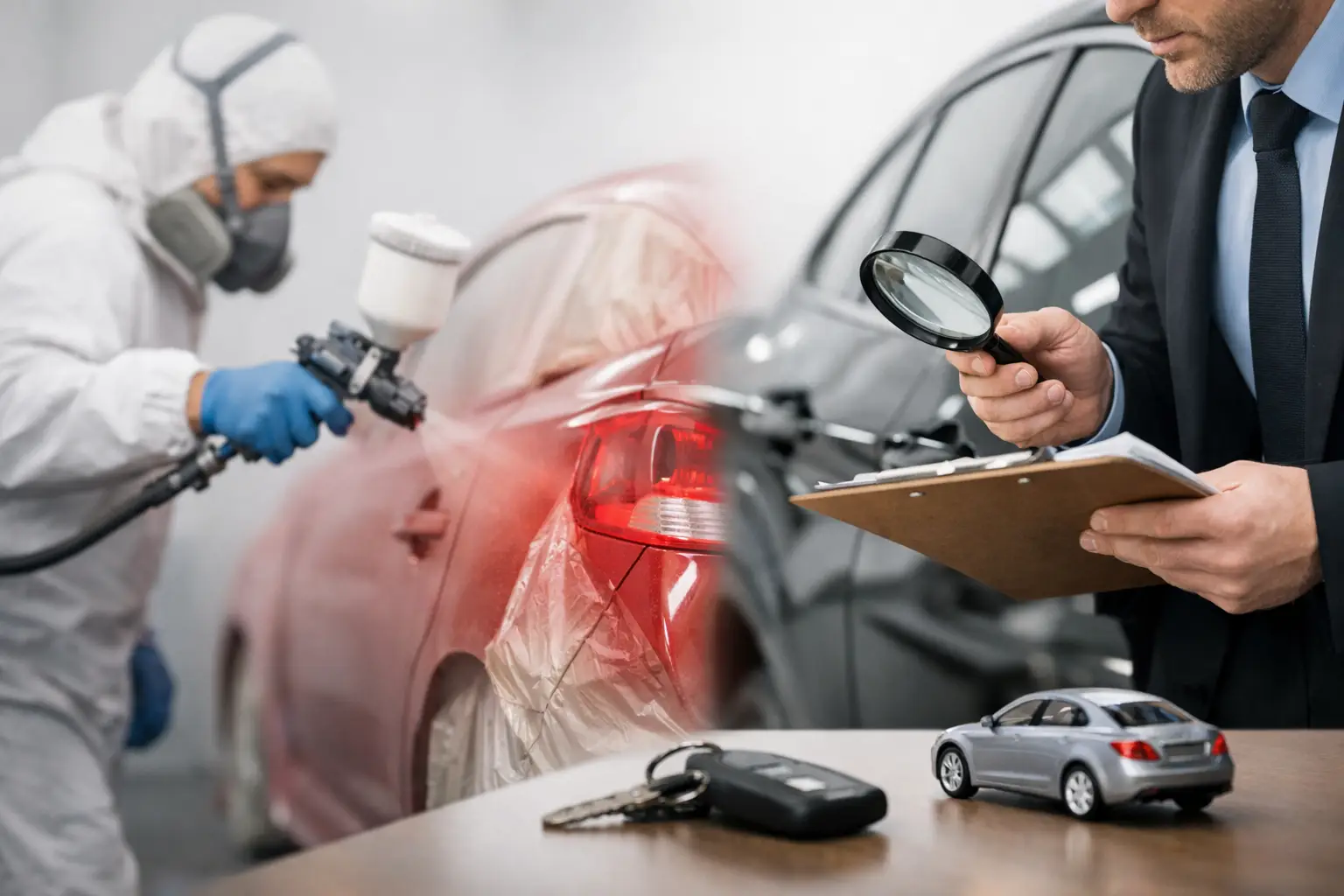
A scraped bumper, peeling clear coat, or faded hood can make a well-maintained vehicle look neglected in a matter of seconds. So, does repainting lower car value? Not automatically. A professional repaint can preserve or improve a vehicle’s resale appeal when it corrects visible deterioration or properly repairs accident damage. The risk comes from why the vehicle was painted, how the repair was completed, and whether the finished work gives a buyer reason to suspect hidden damage.
For most daily drivers in Lakeland, a clean, properly refinished exterior is more valuable than damaged or severely faded original paint. Buyers and dealers still look closely at paintwork, however. They want a vehicle that looks right, has a consistent finish, and does not show signs that collision damage was covered rather than repaired.
Does Repainting Lower Car Value in Every Situation?
No. Repainting is not a value penalty by itself. Original factory paint can carry a premium on collector vehicles, rare models, and newer used cars with exceptionally clean history. On an ordinary commuter car, SUV, or pickup, a high-quality paint repair is often the practical choice that protects its marketability.
The key difference is whether repainting restores the vehicle or attempts to hide a problem. A hood repainted because Florida sun damaged the clear coat is not viewed the same way as a vehicle with mismatched panels, overspray, uneven body lines, or evidence of unrepaired collision damage.
A buyer may never know about a small, correctly blended bumper repair unless it is disclosed or visible under close inspection. That does not mean it should be treated as a secret. If asked about repairs, be straightforward. Honest information, supported by invoices and photos when available, helps a buyer understand that the work was completed professionally.
When Professional Paint Work Can Protect Value
Paint is part of a vehicle’s condition, not just its appearance. Damaged paint exposes metal panels to moisture and can allow rust to begin. While Central Florida does not deal with road salt the way northern states do, rain, humidity, intense sun, and heat still take a toll on finishes over time.
Professional refinishing can help maintain value when it addresses problems such as clear-coat failure, deep scratches, paint chips, oxidation, and properly repaired dents. In these cases, leaving the damage untreated can reduce a vehicle’s appeal more than the repaint itself. A prospective buyer sees the visible condition first. Peeling clear coat on the roof or a bumper covered in scrapes can signal poor maintenance, even when the vehicle is mechanically sound.
A good repair begins before paint is sprayed. The damaged area should be evaluated, the panel should be repaired and prepared correctly, and the paint color should be matched and blended as needed. Proper prep work is what helps prevent common issues such as peeling, cracking, waviness, visible sanding marks, and color variation.
For a vehicle being kept for several more years, repainting can also be a sensible ownership decision rather than a resale decision. Restoring a finish you see every day can make the car more enjoyable to own while helping prevent further exterior deterioration.
When Repainting May Raise Buyer Concerns
Repainting can lower a car’s value when it creates doubt about the vehicle’s history or when the quality is poor. The concern is rarely the paint alone. It is the possibility of prior structural damage, rust, flood exposure, or rushed bodywork underneath it.
Buyers, appraisers, and dealers commonly look for inconsistent panel gaps, paint texture that differs from adjacent panels, tape lines, overspray on trim, mismatched colors, or areas that appear too glossy or too dull. They may use a paint-depth gauge to identify panels with additional material. More paint thickness does not automatically mean a bad repair, but it can lead to questions.
A full repaint can also be less desirable on some vehicles than preserving factory paint. Original paint is a major consideration for collectors because it documents the vehicle’s originality. If you own a classic, specialty, or unusually low-mileage vehicle, get an appraisal or speak with a knowledgeable buyer before authorizing a full color change or extensive repaint.
The same caution applies to a repaint performed shortly before selling. If the vehicle has a fresh finish but no repair documentation, a careful buyer may wonder what was covered up. Keeping estimates, invoices, before-and-after photos, and any insurance repair records gives you a much better way to explain the work.
Partial Repair vs. Full Repaint
The amount of paintwork matters. A localized repair to a bumper corner or door scratch generally creates less concern than repainting the entire vehicle. When practical, repairing only the affected panel and blending color into adjacent areas can retain more original finish while producing a consistent result.
That said, a full repaint is sometimes the correct solution. Widespread clear-coat failure, extensive oxidation, multiple damaged panels, or a restoration project may require it. The goal should not be to use the smallest repair at any cost. It should be to choose the repair scope that produces a durable, uniform result.
Color also affects the process. Metallic, pearl, tri-coat, and certain white or red finishes require careful color matching and application technique. A shop may need to blend paint into nearby panels so the repaired area does not stand out in direct sunlight. That approach may involve more work, but it can prevent the obvious mismatch that hurts appearance and buyer confidence.
Collision Repairs Need More Than Fresh Paint
After an accident, paint is only one stage of the restoration. A vehicle’s value and safety depend first on correct body repair, panel alignment, and inspection of related damage. Painting a panel before dents, creases, mounting points, or structural concerns are addressed is not a proper collision repair.
This is why choosing a shop that handles both auto body repair and refinishing matters. The bodywork and paint process need to work together. A repaired fender should align with the hood and door. A bumper cover should fit correctly. Trim, sensors, lights, and weather seals should be treated with the same attention as the final color and clear coat.
At New Age Auto Painting, the focus is on restoring damaged vehicles with coordinated body repair and professional paint services. For Lakeland drivers, that means addressing the cause of the damage instead of simply improving its appearance for the moment.
How to Make Repainting Easier to Defend at Resale
If resale value is on your mind, make decisions that will hold up under inspection. Choose a repair facility that explains the recommended scope of work and uses proper preparation and refinishing procedures. Avoid bargain paint jobs that skip necessary bodywork, mask trim instead of removing it when appropriate, or leave a finish that looks acceptable only from a distance.
Save the paperwork. A detailed invoice can show which panels were repaired, whether the work involved cosmetic damage or collision damage, and what services were performed. If the vehicle was repaired through insurance, retain those documents as well. Photos taken before, during, and after the repair can be especially useful when damage was limited and the work was completed correctly.
Keep the rest of the vehicle in comparable condition. A freshly painted panel beside faded headlights, worn tires, damaged trim, and a neglected interior can still leave a poor overall impression. Resale value is based on the complete vehicle, including maintenance history, mileage, mechanical condition, title history, and local market demand.
The Practical Answer for Lakeland Vehicle Owners
For most vehicles, repainting does not lower value when it is the right repair for visible damage or failing paint and the work is done correctly. It can even help a vehicle sell faster by restoring the clean, well-cared-for appearance buyers expect. Poor workmanship, unexplained extensive repainting, or paint used to conceal serious damage can reduce confidence and affect the offer.
Before approving paintwork, ask what caused the damage, whether body repair is needed first, which panels should be refinished or blended, and what documentation you will receive. A quality repair should leave you with more than a better-looking car. It should leave you with a finish you can confidently explain when the time comes to sell.