New Age Auto Painting Blog · August 31, 2026
Front End Damage Restoration Steps That Matter
Learn the front end damage restoration steps Lakeland drivers should expect, from checks and estimates to frame repair, paint matching, and final inspection.
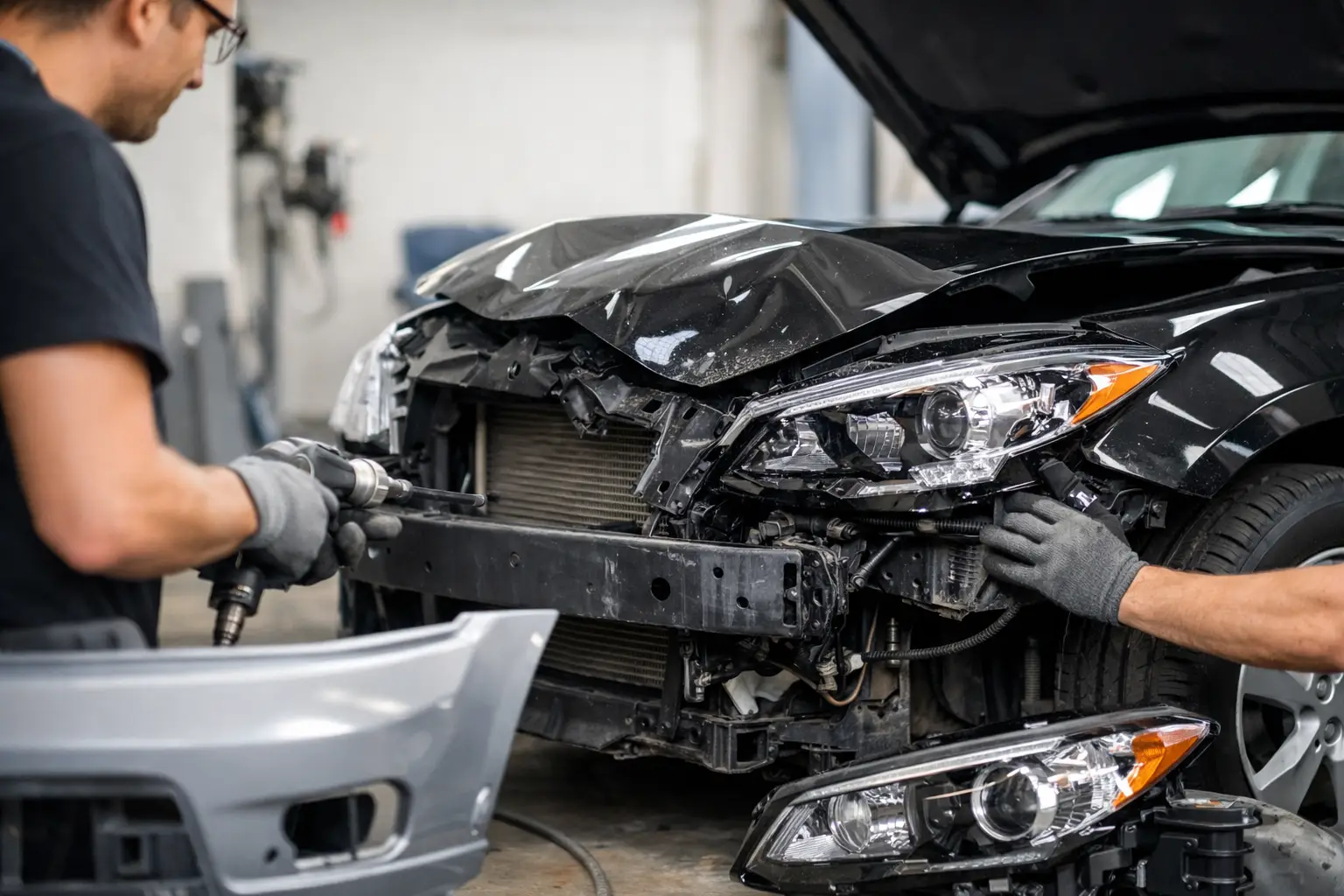
A front-end impact can leave behind more than a cracked bumper or bent hood. Behind those visible panels are components that affect cooling, steering, lighting, alignment, and occupant safety. The right front end damage restoration steps address the entire area of impact, not just the part that looks damaged in a parking lot.
For Lakeland drivers, a professional repair process begins with an accurate assessment and ends only after the vehicle looks right, drives correctly, and has been checked for hidden collision-related issues. The extent of the work depends on the impact, vehicle design, and the condition of parts behind the bumper cover.
Start With Safety and Damage Documentation
After an accident, move the vehicle only if it is safe to do so. A bumper may appear to be the only damaged part, but a loose splash shield, hanging liner, broken headlight, leaking fluid, or rubbing tire can make driving unsafe. If the hood will not latch, the steering feels different, warning lights are on, or coolant is leaking, the vehicle should be inspected before it returns to the road.
Take clear photos of the damage from several angles before cleaning the area or removing loose pieces. Photos help document the original condition for an insurance claim and give the repair shop useful context. Keep the claim number, accident details, and contact information available if another driver or insurer is involved.
Do not try to force a bent hood shut or pull a bumper back into place with straps. Modern front ends use energy-absorbing components, clips, sensors, brackets, and panels designed to fit in specific positions. A temporary fix can crack paint, damage a sensor, or make a proper inspection more difficult.
Inspect Beyond the Bumper Cover
The first visible panel is rarely the whole story. A collision repair technician removes or closely examines damaged exterior parts to find issues hidden behind the front bumper. This is where a complete estimate becomes more accurate.
Front-end damage may involve the bumper reinforcement, absorber, grille, headlight mounts, radiator support, fenders, hood hinges, underbody shields, and wheelhouse liners. Depending on the vehicle and the angle of impact, it can also affect the condenser, radiator, cooling fans, air intake components, suspension parts, or steering linkage.
Why a Visual Estimate Can Change
An initial estimate is a starting point, not always the final repair plan. Once the bumper cover and related parts are removed, the shop may find broken retaining tabs, bent mounting points, cracked plastic, or structural movement that was not visible from outside. This is common in collision repair and is the reason thorough disassembly matters.
A professional shop documents additional damage and communicates with the customer and insurer when a supplement is needed. Skipping this stage to save time can result in poor panel fit, ongoing warning lights, uneven tire wear, or cooling problems later.
Measure the Front Structure and Check Alignment
The next front end damage restoration steps focus on the vehicle structure. Even a low-speed impact can shift mounting points enough to create uneven gaps between the hood, fenders, grille, and headlights. More significant collisions may affect frame rails, the radiator support, or other structural sections at the front of the vehicle.
Technicians use measuring equipment and manufacturer repair information to determine whether the structure remains within specification. If correction is needed, repairs are made before replacement panels are fitted and before refinishing begins. Cosmetic work should never be used to hide structural damage.
Wheel alignment is also an essential consideration when the impact reached a wheel, curb, lower bumper area, or suspension component. A vehicle that pulls to one side, has an off-center steering wheel, or wears tires unevenly needs more than paint and bodywork. The shop should inspect the steering and suspension system and recommend alignment once repairs are complete.
Repair or Replace Damaged Front-End Parts
After the damage is identified, the technician determines which components can be safely repaired and which should be replaced. The decision depends on material type, location, severity, manufacturer procedures, and whether the part performs a safety-related function.
Minor bumper cover damage, shallow dents in a fender, and small areas of distortion may be repairable. Cracked plastic, torn bumper covers, heavily creased hoods, damaged reinforcements, or broken headlight mounting points often require replacement. Repairing a part when replacement is the safer or more reliable option can lead to poor fit and reduced durability.
Parts selection also involves a practical trade-off. Original equipment, aftermarket, recycled, and reconditioned parts may be available depending on the vehicle, insurance coverage, availability, and repair plan. A reputable shop explains the option being used and verifies fit before the vehicle moves to the paint stage.
Sensors, Cameras, and Lighting Need Special Attention
Many current vehicles have front parking sensors, radar units, cameras, adaptive headlights, or driver-assistance systems located in or near the bumper and grille. These components can be damaged without obvious exterior signs. They may need scanning, replacement, aiming, or calibration after a collision.
This work is not optional when required by the vehicle manufacturer. A bumper that looks perfectly repaired is not enough if a warning system, camera view, or headlight function is inaccurate. The repair process should include the necessary checks so the vehicle's systems operate as intended.
Prepare Panels for a Durable Paint Repair
Once repairs and part fitment are complete, the refinishing process begins. Proper paint preparation is what separates a clean, lasting repair from a finish that peels, shows sanding marks, or has obvious color variation.
The damaged area is cleaned, sanded, repaired as needed, primed, and blocked to restore a smooth surface. Adjacent panels may be blended to create a more natural color transition, especially with metallic, pearl, and multi-stage finishes. A direct paint match on one replacement panel can look different under Florida sun, shade, and parking-lot lighting.
Color matching involves more than finding the paint code. Vehicle paint changes over time from sunlight, weather, washing, and previous repairs. A professional painter may tint the color and spray test panels before applying basecoat and clearcoat. Blending is sometimes necessary for the best appearance, even when only one panel was physically damaged.
At New Age Auto Painting, body repair and professional refinishing are handled with the same goal: restoring both the appearance and proper fit of the vehicle after damage.
Reassemble, Inspect, and Road-Test the Vehicle
Reassembly is not simply putting panels back on. The bumper, grille, headlights, hood, fenders, liners, clips, and fasteners must be installed in the correct positions. Gaps should be consistent, the hood should latch securely, lights should sit evenly, and moving panels should open and close without rubbing.
The final inspection should also confirm that warning lights have been addressed, exterior lighting works, cooling components are secure, and repaired areas meet appearance standards. If alignment or calibration was part of the repair, those results should be reviewed before delivery.
A road test may be appropriate when the accident involved steering, suspension, wheel, or drivability concerns. Technicians listen for rattles, verify straight tracking, and look for issues that only appear once the vehicle is moving. This last check helps prevent a customer from discovering a loose panel or handling concern after leaving the shop.
What to Ask Before Authorizing Repairs
Before work begins, ask whether the estimate includes a complete inspection for hidden damage and whether additional work will be communicated before repairs proceed. It is also reasonable to ask how replacement parts will be selected, whether paint blending may be needed, and if your vehicle requires sensor calibration or alignment.
Ask about the expected repair timeline, but remember that parts availability and insurer approvals can affect it. A shop that promises speed before inspecting the full extent of the damage may be setting unrealistic expectations. The priority should be a correct repair that restores safety, fit, and finish.
Front-end collision damage deserves more attention than a quick cosmetic patch. When the repair process includes careful inspection, structural measurement, proper parts fitment, quality paintwork, and final system checks, your vehicle has a better chance of returning to Lakeland roads looking clean and driving the way it should.