New Age Auto Painting Blog · June 24, 2026
Guide to Auto Body Estimates
Our guide to auto body estimates explains costs, repair line items, insurance factors, and what Lakeland drivers should review before approval.
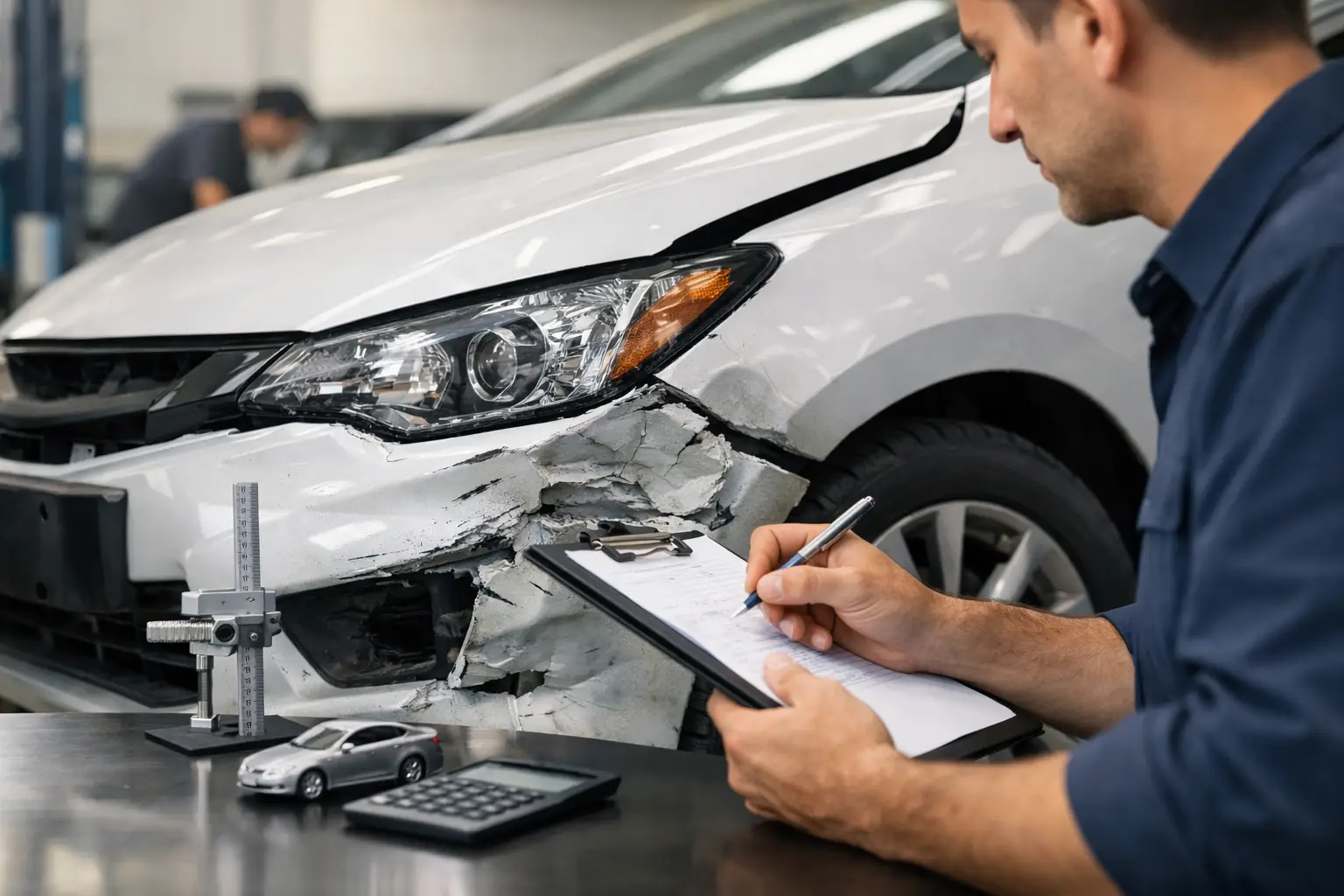
If you have ever looked at a collision repair quote and felt like you were reading another language, you are not alone. This guide to auto body estimates is built for drivers who want to understand what they are paying for, what can change during repairs, and how to make a confident decision before work begins.
An estimate is not just a price. It is a written breakdown of visible damage, expected labor, materials, parts, paint work, and repair procedures based on what can be seen before disassembly. That matters because auto body repair is part structural, part cosmetic, and part diagnostic. Two cars can have similar dents on the outside and very different repair needs underneath.
What an auto body estimate actually covers
A body estimate usually starts with the damaged panels you can see right away - a bumper cover, fender, hood, door, quarter panel, or trunk area. From there, the estimate may include body labor, paint labor, refinish materials, replacement parts, repair procedures, and related operations such as removing trim, lights, moldings, or sensors.
For many vehicle owners, the biggest surprise is that paint work is more than just spraying color on a repaired area. A proper refinish often includes prep work, primer, color matching, blending into adjacent panels, and clear coat application. If the damage affects modern vehicles with cameras, parking sensors, or other driver assistance features, there may also be recalibration steps tied to the repair.
That is why the lowest number on paper is not always the best value. One estimate may appear cheaper simply because it leaves out needed operations that another shop has already identified.
Guide to auto body estimates - the main line items
When you review an estimate, you will usually see labor separated into categories. Body labor covers the repair or replacement of damaged panels and structural components. Paint labor addresses refinishing work. Mechanical labor may apply if parts connected to the damage need to be removed or replaced. You may also see frame or unibody labor when collision damage affects alignment or structural sections.
Parts are another major category. These may be listed as OEM parts, aftermarket parts, recycled parts, or reconditioned parts. Which option makes sense depends on the age of the vehicle, insurance guidelines, part availability, and the repair goal. If you are restoring a newer vehicle or one with tight fit-and-finish requirements, the part choice can affect both cost and final appearance.
Paint and materials are often listed separately from labor. This category can include primer, sealer, color, clear coat, masking materials, sandpaper, and other refinish supplies. Shops may calculate these costs through a materials formula rather than by itemizing every product used.
You may also notice notes for scans, calibrations, corrosion protection, seam sealer, weld-through primer, or hazardous waste handling. These are not filler charges. They often reflect real repair procedures required to return the vehicle to pre-accident condition as closely as possible.
Why estimates change after repairs begin
One of the most common questions drivers ask is simple: why did the final bill change from the original estimate?
The short answer is hidden damage. A visible dent on the outside can conceal broken brackets, bent reinforcement bars, torn mounting points, damaged sensors, or structural movement behind the panel. None of that is fully confirmed until the damaged area is disassembled.
That is why an estimate is based on visible damage, while a supplement is written after additional issues are found during teardown. This is normal in collision repair. It does not automatically mean something was missed or handled poorly. It often means the shop is documenting damage that could not be verified at the start.
The key difference is whether those added repairs are explained clearly. A professional shop should be able to show what changed, why it changed, and how the updated work affects safety, appearance, or part fit.
Insurance estimate vs. shop estimate
Insurance companies often prepare their own estimate, but that does not always mean it is the final repair plan. An insurer’s first estimate may be based on photos or a quick inspection. A repair shop’s estimate is usually based on hands-on evaluation and real repair planning.
Sometimes the numbers are close. Sometimes they are not.
That gap can happen for a few reasons. The insurance estimate may not include all visible damage. It may use different labor times, different part types, or hold off on certain operations until the vehicle is disassembled. A shop estimate may be more complete from the start, especially when refinishing and panel blending are involved.
For the customer, the most important point is this: approval and payment responsibility should be clear before work moves forward. If the repair is insurance-related, ask what is covered, what is pending, and what could become an out-of-pocket cost. If you are paying directly, ask whether the estimate is likely to change after teardown and what authorization process the shop uses before adding work.
What to look for before approving the repair
A good estimate should be readable, organized, and specific enough that you can follow the basic scope of work. You do not need to know every labor code, but you should understand what panels are being repaired or replaced, what parts are being used, and whether paint blending is included where needed.
It also helps to ask a few practical questions. Is the panel being repaired or replaced? Are the parts OEM, aftermarket, or recycled? Will adjacent panels be blended for color match? Is there any sign of structural damage? Will sensors or cameras need recalibration? Is the estimate based only on visible damage, or has teardown already started?
Those questions matter because appearance and safety are tied together in modern body repair. A bumper, for example, is not just a painted cover. It can involve impact absorbers, brackets, radar components, grille pieces, and alignment points that affect fit and function.
How repair quality affects the value of an estimate
A cheaper estimate can save money up front, but it may also mean less thorough work. That could show up later as poor panel gaps, mismatched paint, overspray, waviness in repaired panels, or parts that do not fit quite right. In more serious cases, incomplete structural repair can affect how the vehicle performs in another collision.
A professional estimate should reflect the time and materials needed to do the job correctly. That includes prep work, corrosion protection, proper paint procedures, and any required post-repair steps. Fast and cheap can sound appealing when you need your car back on the road, but auto body work is one area where shortcuts tend to stay visible.
For Lakeland drivers dealing with daily commutes, school pickup, or storm-season damage on top of collision issues, convenience matters too. Using one local shop that handles body repair and paint under the same roof can reduce delays and help keep the process more straightforward.
A practical guide to auto body estimates for Lakeland drivers
If your vehicle needs repair in Lakeland, start by treating the estimate as both a repair plan and a communication tool. It should tell you what the shop sees, what it expects to do, and where uncertainty still exists. If the document looks too vague, ask for clarification before giving approval.
You should also pay attention to timing. Parts availability, insurer response times, supplement approvals, and paint curing schedules can all affect the turnaround. A realistic timeline is usually more useful than an overly optimistic one.
Photos can help as well. Before leaving the vehicle, take clear pictures of the damage from multiple angles. Keep copies of the estimate, claim information if insurance is involved, and any authorization you sign. That makes it easier to track changes if additional damage is found later.
If you are comparing estimates from different shops, compare more than the bottom-line total. Look at parts type, included operations, paint procedures, and whether the vehicle will need scans or recalibration. A lower quote is only meaningful if the repair scope is equivalent.
At shops like New Age Auto Painting, the goal is not just to write a number on paper. It is to identify the repair path that makes sense for the vehicle, explain it clearly, and deliver results that hold up on the road and in the finish.
The best estimate is the one that gives you a clear picture of the work ahead, not just the cheapest starting number. When you understand what is on the page, you are in a much better position to protect your vehicle, your budget, and your peace of mind.