New Age Auto Painting Blog · July 14, 2026
Your Guide to Post-Accident Car Inspection
Use this guide to post accident car inspection to spot safety, body, and paint damage, document the crash, and choose qualified repair help in Lakeland.
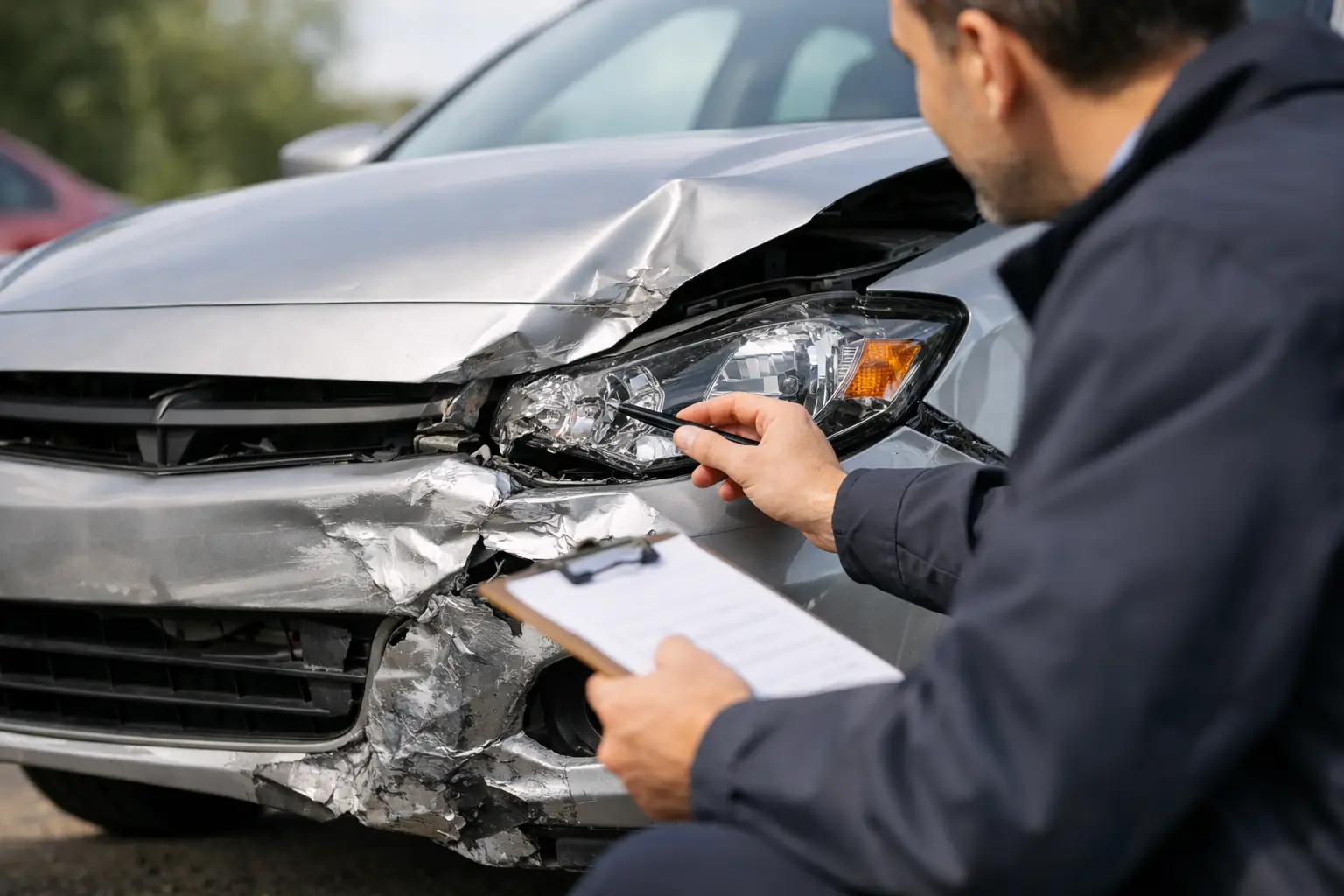
A minor collision can leave a vehicle looking driveable while hiding damage that affects safety, alignment, lighting, or long-term corrosion resistance. This guide to post accident car inspection helps Lakeland drivers identify what to check at the scene, what to document, and when a professional collision repair inspection is the right next step.
Start With Safety Before Looking at Damage
Before inspecting the vehicle closely, make sure everyone is safe and move out of traffic if the vehicle can be driven without risk. Turn on hazard lights, check for fluid leaks, smoke, a burning smell, or loose parts dragging beneath the car. If the vehicle has a deployed airbag, a damaged wheel, a cracked windshield that blocks visibility, leaking fluid, or warning lights that remain on, do not assume it is safe to drive.
A car can sustain structural or mechanical damage in a low-speed impact. The bumper may look mostly intact while the reinforcement bar, radiator support, suspension components, or mounting points behind it have shifted. When there is any doubt, arranging a tow is usually the safer choice than trying to drive home.
Take photos before moving the vehicle when conditions allow. Capture the overall scene, each side of both vehicles, close-ups of the damage, license plates, road conditions, and any visible debris. These photos can help with an insurance claim and give the repair shop a clearer starting point.
Guide to Post-Accident Car Inspection: What to Check
Once the immediate situation is handled, walk around your vehicle in daylight if possible. You are not trying to diagnose every repair. The goal is to spot clear signs of damage, record them, and avoid overlooking conditions that may worsen if the vehicle stays on the road.
Check the body panels and panel gaps
Look at the bumper covers, fenders, hood, trunk lid, doors, quarter panels, and roofline. Dents, cracks, scrapes, and chipped paint are obvious, but panel alignment can reveal more. Uneven gaps around the hood, trunk, or doors may indicate that a panel, hinge, latch, or underlying support moved during the impact.
Open and close the doors, hood, and trunk only if they operate normally. A door that sticks, requires extra force, rubs against another panel, or will not latch securely should be inspected before regular driving. Do not force a damaged hood or trunk latch, since this can create additional damage.
Look closely at paint and exposed metal
Paint damage is more than a cosmetic concern. Scratches that cut through the clear coat and color layer can expose bare metal, especially along bumper edges, wheel openings, door edges, and rocker panels. In Florida's heat, rain, and humidity, exposed areas can begin to corrode sooner than many owners expect.
Take clear photos of scuffs, paint transfer, cracks, and chips. A proper repair may require more than touching up a visible scratch. Depending on the damaged area, the work can include surface preparation, body repair, primer, color matching, and clear coat refinishing so the repaired section blends naturally with the surrounding panels.
Inspect lights, glass, and mirrors
Check headlights, taillights, brake lights, turn signals, fog lights, reflectors, mirrors, and license plate mounting. Look for broken lenses, moisture inside a lamp housing, loose assemblies, or lights that no longer sit flush with the body. A cracked lens can allow water inside and lead to electrical problems later.
Inspect the windshield, side windows, rear glass, and sunroof area for cracks or chips. Pay attention to the edges of the windshield, where impact damage can sometimes affect the surrounding frame or trim. If a mirror is loose or visibility is limited, the vehicle should not be driven until the issue is corrected.
Check tires, wheels, and steering response
A curb strike or side impact can bend a wheel, damage a tire sidewall, or affect suspension and steering components. Look for cuts, bulges, fresh scrapes on the wheel, a tire that appears low, or a wheel that no longer sits straight in the wheel opening.
When it is safe to drive a short distance, notice whether the steering wheel is off-center, the vehicle pulls to one side, shakes at speed, makes clunking noises, or feels unstable over bumps. These are reasons to stop driving and have the vehicle inspected. An alignment issue may be simple, but it can also be a symptom of bent or damaged suspension parts.
Watch for leaks, odors, and dashboard warnings
After an impact, look underneath the vehicle for puddles or drips. Coolant may appear green, orange, pink, or blue depending on the vehicle. Engine oil is usually brown or black, transmission fluid may be reddish, and brake fluid is often clear to light brown. Gasoline odor or a fuel leak requires immediate attention.
Start the vehicle only if it appears safe to do so. Check the dashboard for warning lights involving the engine, airbags, anti-lock brakes, traction control, tire pressure, or charging system. A warning light does not always mean the vehicle is undriveable, but it should not be ignored after a collision. Modern vehicles rely on sensors and calibration systems that may need attention even when exterior damage appears limited.
Hidden Damage Is Common After a Collision
The most visible dent is not always the most significant part of an accident. Bumpers are designed to absorb energy, and that energy can transfer into components behind the painted cover. A front-end impact can affect the bumper reinforcement, absorbers, grille supports, cooling system, hood latch, headlights, and front structure. A rear-end collision can damage the trunk floor, rear body panel, sensors, exhaust components, and bumper supports.
Side impacts deserve particular caution because they can affect doors, door intrusion beams, pillars, rocker panels, glass, seat belt systems, and side airbags. Damage near a wheel can involve the suspension, steering, braking, or alignment. These repairs require a professional assessment rather than a visual guess.
This is also where a full-service body and paint shop provides practical value. Restoring appearance without addressing underlying damage can leave gaps, poor fitment, recurring paint issues, or a vehicle that does not drive as it should. The repair plan should account for both the condition of the body and the quality of the final finish.
Document Damage Before Repairs Begin
Keep photos, the accident report number if one was issued, insurance information, tow receipts, and notes about what you noticed after the crash. Write down new noises, warning lights, handling changes, and any trouble opening doors or the trunk. Small details can be useful when the shop and insurer are evaluating damage.
Avoid washing or polishing damaged areas before documenting them. Cleaning may remove paint transfer or evidence of the impact. It is also wise not to approve repairs based solely on an estimate created from photos. Photos help begin the process, but hidden damage often becomes clear only after a hands-on inspection or partial disassembly.
Insurance procedures vary by policy and claim type. If another driver is involved, notify the appropriate insurer promptly and ask how they want the estimate and repair process handled. You can still choose a qualified repair facility that is prepared to explain the work needed on your vehicle.
Choosing a Collision Repair Shop in Lakeland
Choose a shop that can inspect the body, evaluate visible damage, and explain the repair process in straightforward terms. Ask whether the estimate may change if hidden damage is found after disassembly, how paint color matching is handled, and whether damaged parts will be repaired or replaced. The right answer depends on the vehicle, the location of the damage, manufacturer repair procedures, and the condition of the affected component.
For example, a light bumper scuff may only need refinishing, while a cracked bumper cover or damaged mounting tabs may require more extensive repair or replacement. A shallow door dent can sometimes be repaired and painted, but a sharply creased panel near a body line may require additional bodywork for a clean result. Good repair decisions are based on fit, safety, durability, and final appearance, not just the lowest initial estimate.
New Age Auto Painting serves Lakeland drivers who need collision body repair and professional automotive painting completed in one place. A detailed inspection helps ensure that the finished vehicle looks right, fits correctly, and is ready for the road.
After an accident, do not let a clean-looking bumper or a small scrape make the decision for you. Give the vehicle a careful inspection, document what you find, and have any safety, structural, alignment, or paint concerns evaluated before they turn into a larger repair.