New Age Auto Painting Blog · April 6, 2026
How Does Collision Repair Work?
How does collision repair work? Learn the steps from damage inspection to body repair and paint matching for drivers in Lakeland, Florida.
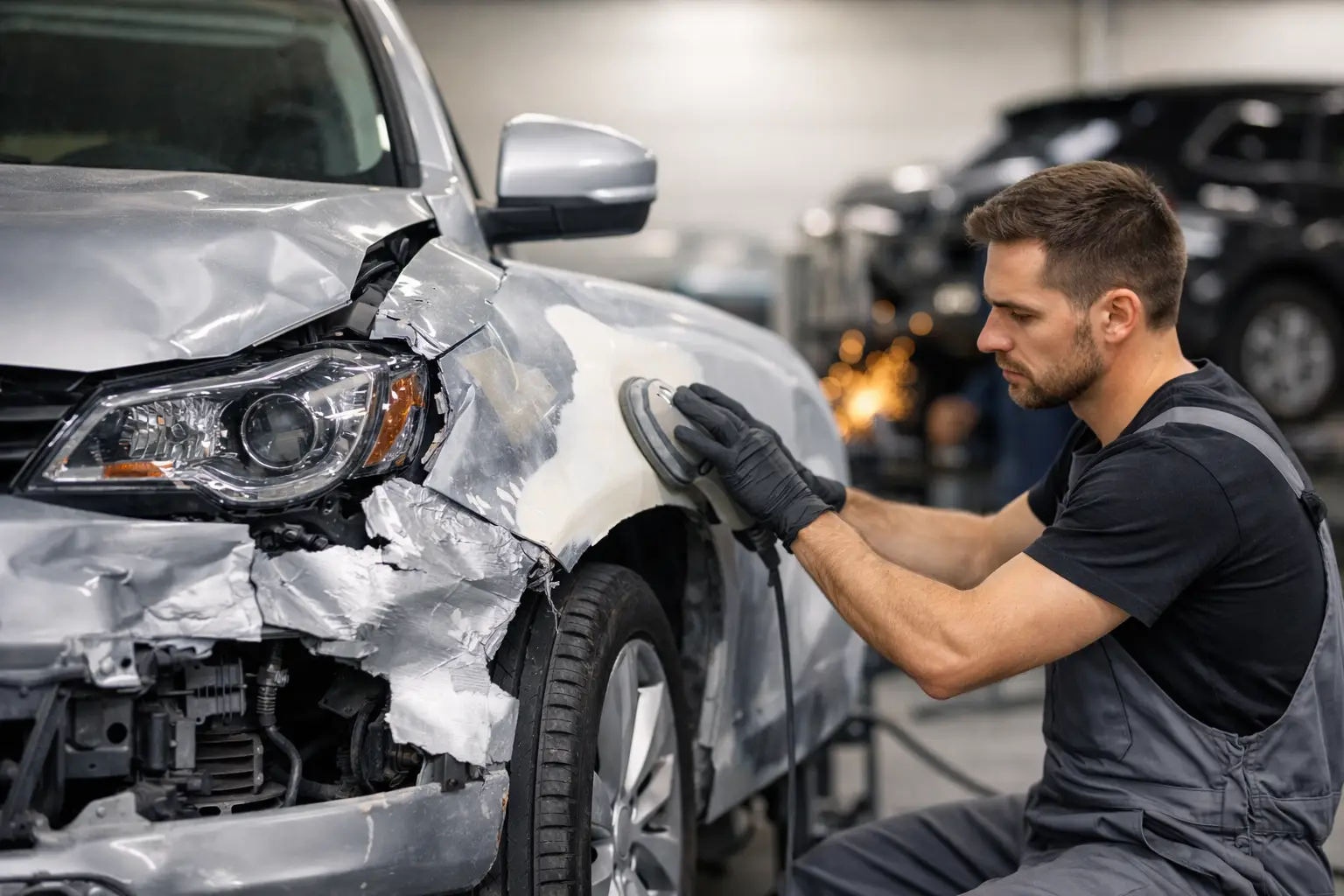
A lot can happen between the moment of impact and the day your vehicle looks normal again. If you have ever asked, how does collision repair work, the short answer is that it is a step-by-step process designed to restore safety, structure, and appearance - not just cover up visible damage.
That matters because accident damage is often deeper than a scraped bumper or dented fender. Modern vehicles are built with layered materials, sensors, reinforcement points, and paint systems that all need the right repair approach. A quality collision repair job focuses on getting the vehicle back to proper condition, both mechanically and visually.
How does collision repair work from start to finish?
Collision repair usually begins with an inspection and ends with final quality checks after body and paint work are complete. In between, the shop evaluates visible and hidden damage, creates a repair plan, disassembles damaged areas, repairs or replaces parts, completes refinishing, and confirms everything is aligned and functioning as it should.
The exact process depends on the severity of the accident. A minor parking lot hit may only need cosmetic body work and paint correction. A stronger impact may involve structural pulling, panel replacement, or recalibration of components near the damaged area. That is why estimates can change after teardown. Some damage is only visible once parts are removed.
The first step is a full damage assessment
The initial inspection sets the direction for the entire job. A technician looks at the obvious damage first - dents, broken trim, cracked bumper covers, paint transfer, and gaps between panels. Then the inspection moves deeper, checking for bent supports, misalignment, hidden cracks, and damage behind the exterior panels.
On newer vehicles, this stage can also include checking areas around sensors, brackets, and mounting points. Even if the car still drives, the impact may have shifted components enough to affect fit, safety, or future wear. What looks minor from the outside is not always minor underneath.
This is also where the repair shop documents what needs to be fixed, what can be repaired, and what should be replaced. Some panels are repairable if the metal or material can be reshaped properly without compromising strength. Others are better replaced, especially if the damage affects structural integrity or would leave a poor finish.
Disassembly reveals hidden collision damage
Before real repair work starts, technicians often remove damaged parts around the impact area. This can include bumper covers, lights, trim pieces, liners, and adjacent panels. The goal is simple - expose everything that may have been affected.
This stage is important because hidden damage changes the repair plan. A bumper cover might look like the main issue, but once removed, the absorber, reinforcement bar, brackets, or inner supports may also be bent. If those parts stay damaged, the vehicle may not protect occupants the same way in another impact.
Disassembly also helps the shop identify what can be saved and what needs replacement. It is better to make that call early than rush through the job and discover problems later during reassembly.
Structural and body repair come next
If the collision affected the frame or unibody structure, the vehicle may need measuring and straightening before cosmetic work begins. Technicians use specialized equipment to compare the vehicle’s dimensions to manufacturer specifications. If key points are out of alignment, the structure is pulled back into position before any panel finishing is done.
This is one of the biggest differences between proper collision repair and a quick appearance fix. A car can look better on the outside and still be wrong underneath. If doors, hood, trunk, or panels do not line up correctly, that often points to deeper alignment issues that must be corrected first.
Once the structure is right, body repair work moves forward. Dented metal panels may be reshaped, filled where appropriate, sanded, and refined to restore their original contour. Plastic bumper repair may be possible in some cases, but severe cracking, torn mounting tabs, or distortion can mean replacement is the better option.
There is always some judgment involved here. Repairing a part can save time and cost if the damage is limited and the final result will hold up. Replacing a part makes more sense when the damage is too severe, the fit would be compromised, or refinishing would not produce a clean result.
Surface preparation matters as much as the repair
A smooth paint finish starts long before color is sprayed. After body work is complete, the repaired areas are sanded, cleaned, and primed. Any imperfections left at this stage will show up later, especially in sunlight.
Proper preparation is what separates a professional finish from a repair that looks obvious from a few feet away. The surface needs to be straight, stable, and ready to accept paint evenly. That includes feathering surrounding areas, correcting edges, and making sure adjacent panels are prepared if blending is needed.
For vehicle owners, this part of the process is easy to overlook because it happens before the final visual payoff. But it is one of the main reasons quality repair work takes time. Good paint depends on good prep.
Paint matching and refinishing restore the look
After prep work, the refinishing stage begins. This usually includes color matching, applying the basecoat, and finishing with clear coat for gloss and protection. Matching factory paint is rarely as simple as spraying the color code and moving on.
Age, sun exposure, previous repairs, and paint variation all affect how the final color appears. In Florida, strong sun and heat can make those differences more noticeable over time. That is why shops often blend color into adjacent panels when needed. Blending helps the repaired area transition naturally so the finish does not stand out.
This is especially important on metallic, pearl, and tri-coat finishes. Those paint systems can shift in tone depending on spray technique, lighting, and panel angle. A proper refinish job is about more than getting close. It is about making the repair look consistent with the rest of the vehicle.
At a full-service shop like New Age Auto Painting, that connection between body repair and paint work matters. When both services are handled together, the process is more controlled from repair planning through final finish.
Reassembly and fit checks complete the repair
Once paint has cured properly, the vehicle is reassembled. Trim, lights, liners, moldings, bumper components, and replaced panels are installed and adjusted. Technicians check panel gaps, mounting points, and hardware to make sure everything fits as it should.
This part of the process can uncover details that need correction. A headlight bracket may need adjustment. A bumper edge may need finer alignment. A panel may sit slightly high or low until all related fasteners are secured. Good collision repair includes these corrections before the vehicle is returned.
Depending on the damage, the shop may also verify that related systems are functioning correctly. That can include lights, latches, window operation, and other components in the repaired area. The goal is not just a fresh appearance. The goal is a road-ready vehicle.
Why repair times can vary
One of the most common questions after how does collision repair work is how long it will take. The honest answer is that it depends on damage severity, parts availability, paint complexity, and whether hidden issues are found during teardown.
A lighter cosmetic repair may move faster than a job involving structural correction or multiple panels. Delays can also happen when replacement parts are backordered or when insurance approvals take longer than expected. That does not always mean the shop is behind. It often means the repair is being handled correctly instead of rushed.
For vehicle owners, clear communication matters here. A reliable local shop should explain what has been found, what changes the timeline, and what the next step is.
What drivers should expect from a quality collision repair shop
A good collision repair experience is not just about fixing damage. It is about getting a realistic assessment, a clear repair plan, and workmanship that addresses both safety and appearance. That includes honest guidance on whether a part should be repaired or replaced, careful paint matching, and final fit and finish checks.
If you are dealing with accident damage in Lakeland, it helps to choose a shop that understands both body repair and refinishing under one roof. That reduces handoffs and gives you a more direct path from damaged vehicle to finished result.
After a collision, the best next step is usually the simplest one - have the damage inspected thoroughly before making assumptions based on what you can see from the outside.