New Age Auto Painting Blog · June 4, 2026
How Long Does Bumper Repair Take?
How long does bumper repair take? Learn what affects repair time, from minor scuffs to collision damage, and when paint or parts add days.
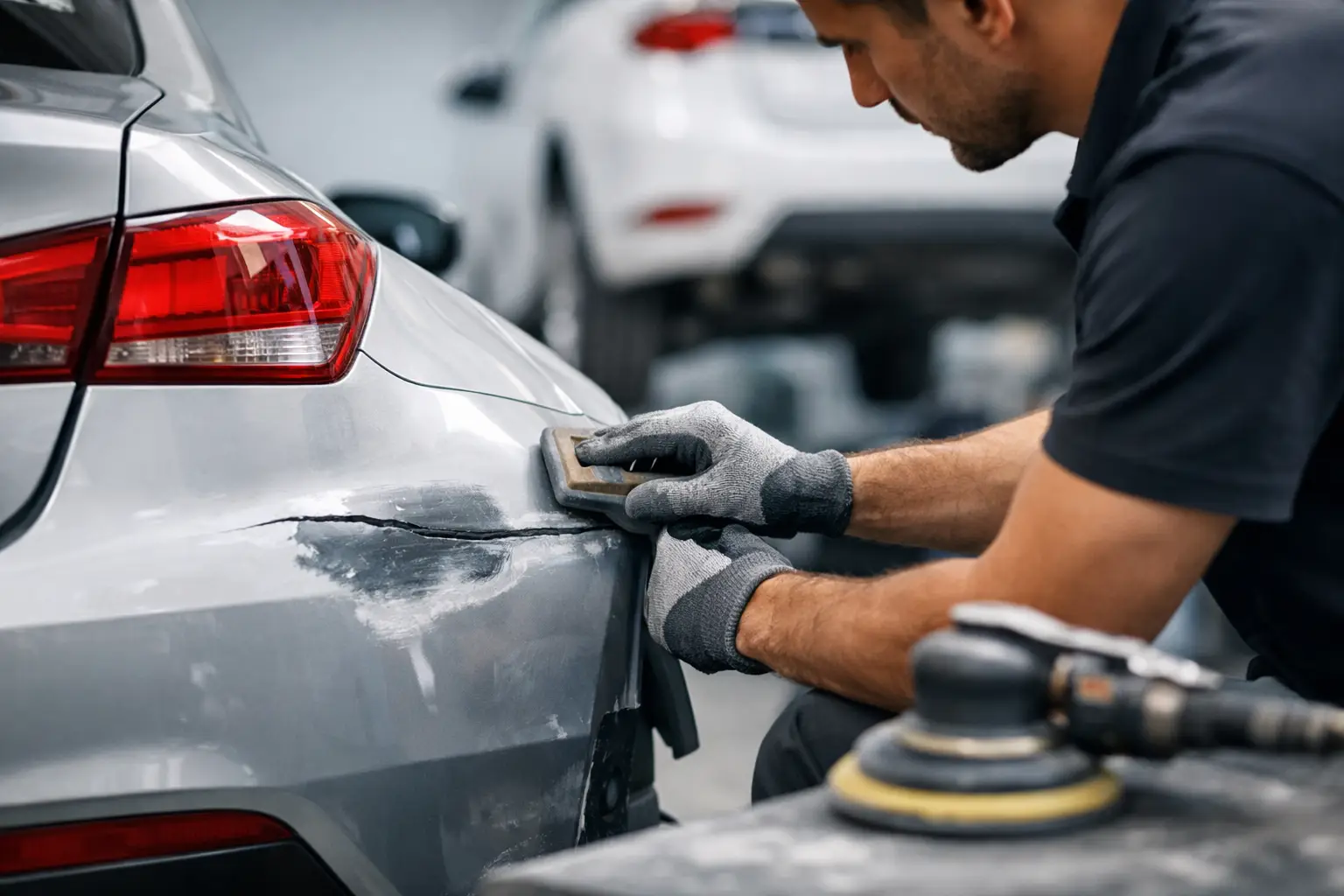
That question usually comes up right after the damage happens. You look at the bumper, see the scrape, crack, or dent, and want a straight answer: how long does bumper repair take? The honest answer is that some bumper repairs can be finished the same day, while others take several days depending on the damage, the parts involved, and whether paint work is needed.
For most drivers, the timeline comes down to one simple issue: is this cosmetic damage, or is there more going on underneath? A bumper is not just a plastic cover. Modern bumpers can include clips, brackets, impact absorbers, sensors, lights, and painted surfaces that all affect repair time. What looks minor at first glance can turn into a longer repair if hidden damage is found after disassembly.
How long does bumper repair take for common damage?
If the bumper has light surface scuffs, paint transfer, or small scratches, repair may only take a few hours. In some cases, polishing or spot refinishing is enough to restore the appearance without a major repair process. That is usually the fastest type of bumper work.
A dented bumper or minor crack often takes longer. Once the bumper has to be removed, reshaped, repaired, sanded, primed, and painted, the job can move into a one- to two-day timeline. Paint work adds steps, and each step matters if you want the finish to match the rest of the vehicle.
If the bumper needs full replacement, the timeline often depends less on labor and more on parts availability. The installation itself may be straightforward, but waiting on the correct bumper cover, brackets, trim pieces, or sensor-compatible parts can add days. If the replacement part also needs prep and paint before installation, that extends the schedule further.
For collision-related damage, bumper repair may take several days. That is especially true if the impact affected mounting points, nearby body panels, or safety components behind the bumper. At that point, the repair is no longer just about the bumper skin. It becomes part of a larger auto body repair process.
What affects bumper repair time most?
The biggest factor is the extent of the damage. A scraped bumper with no structural issues is a very different job than a bumper that is split, loose, or pushed out of alignment. The more the technician has to inspect, remove, repair, and refinish, the longer the process takes.
Paint is another major time factor. Even when the physical repair is simple, proper refinishing takes time. The surface has to be cleaned, sanded, repaired, primed, painted, and cured. If the color needs blending for a consistent match, that can add labor and schedule time. This is especially relevant for metallic finishes, pearl colors, and vehicles with noticeable sun fade.
Parts availability can be the deciding issue in some jobs. If a bumper cover, bracket, grille piece, or sensor mount is not immediately available, the vehicle may stay in the shop longer than the hands-on repair itself would require. That delay is common after newer-model collisions or when OEM-specific components are involved.
Hidden damage also changes the timeline. After a bumper is removed, technicians may find broken retainers, bent reinforcements, damaged absorbers, or sensor issues that were not visible from the outside. That is why a quick visual estimate does not always tell the full story.
Same-day bumper repair vs multi-day repair
Same-day bumper repair is possible when the damage is minor and isolated. Small scratches, paint transfer, and some shallow dents may be handled quickly if no parts are needed and the repair area is limited. This type of work is usually best-case timing.
A multi-day repair is more likely when the bumper needs paint, crack repair, replacement, or calibration-related work. Vehicles with parking sensors, blind spot components, or integrated lighting can require more care during disassembly and reassembly. Even when the bumper itself is repairable, those added systems can slow the job down.
Insurance claims can also stretch the timeline. If approval is needed before repairs begin, or if supplemental damage is found after teardown, the vehicle may be waiting on paperwork as much as repair work. That does not always happen, but it is common enough that customers should expect some variation when insurance is involved.
Bumper repair time by repair type
A light cosmetic repair may take a few hours to one day. This usually applies to surface-level damage with limited prep and refinishing.
A moderate repair with filling, reshaping, and repainting often takes one to two days. That gives enough time for repair, prep, paint, and curing without rushing the finish.
A bumper replacement generally takes one to three days if the part is in stock and there are no hidden issues. If parts are delayed, the total time can run longer.
A collision repair involving bumper damage plus underlying body or structural issues may take several days or more. At that stage, the bumper is only one piece of the job.
Why paint work often adds more time than expected
Many customers assume the repair itself is the hard part and the paint is quick. In reality, quality paint work is often what separates a professional repair from one that looks obvious later. Matching factory color, avoiding texture issues, and making the repair blend naturally with the rest of the vehicle all take time.
Drying and curing matter too. A bumper cannot simply be painted and pushed out the door immediately if the finish has not been properly set. Shops that focus on long-term appearance know that rushing this stage can lead to problems with gloss, adhesion, or visible imperfections.
That is one reason a minor-looking bumper repair may still take longer than expected. The goal is not just to make the damage less noticeable. The goal is to restore the panel so it looks right and holds up.
How to get a more accurate repair timeline
The best way to know how long bumper repair will take is to have the vehicle inspected in person. Photos can help with a rough estimate, but they do not always show cracked mounts, distorted panel fit, or internal damage behind the cover.
An in-person estimate allows the shop to check the bumper condition, mounting points, paint needs, and surrounding panels. It also helps identify whether repair makes sense or whether replacement is the better route. In some cases, a repair may save time and money. In others, replacement produces a better result.
If your vehicle has advanced features in the bumper area, mention that up front. Parking sensors, cameras, radar components, and trim packages can all affect the repair process. The more complete the inspection, the more realistic the timeline.
For drivers in Lakeland, working with a shop that handles both body repair and paint in one place can simplify the process. New Age Auto Painting is built around that kind of complete repair approach, which helps reduce handoff delays between separate vendors.
When you should not wait to repair a bumper
Some bumper damage is mostly cosmetic, but not all of it should be put off. A loose bumper, cracked mounting area, or damage near sensors and lighting can get worse with normal driving. If the bumper is misaligned, rubbing, or partially detached, it should be inspected as soon as possible.
Waiting can also make the final repair more involved. Dirt, moisture, and heat can affect damaged paint and exposed materials over time. A small issue that could have been handled quickly may turn into a more expensive repair if it is ignored too long.
If you are asking how long does bumper repair take, the better question may be how soon can the problem be properly diagnosed. Once the damage is assessed, the timeline becomes much clearer.
A good bumper repair should restore more than appearance. It should bring back proper fit, secure mounting, and a finish that looks right on the rest of the vehicle. If you need that work done, the fastest path is usually a clear estimate, a thorough inspection, and a shop that can handle repair and refinishing without cutting corners.