New Age Auto Painting Blog · April 4, 2026
How Much Does Collision Repair Cost?
How much does collision repair cost? Learn what affects pricing, from dents and paint damage to frame work, parts, and insurance claims.
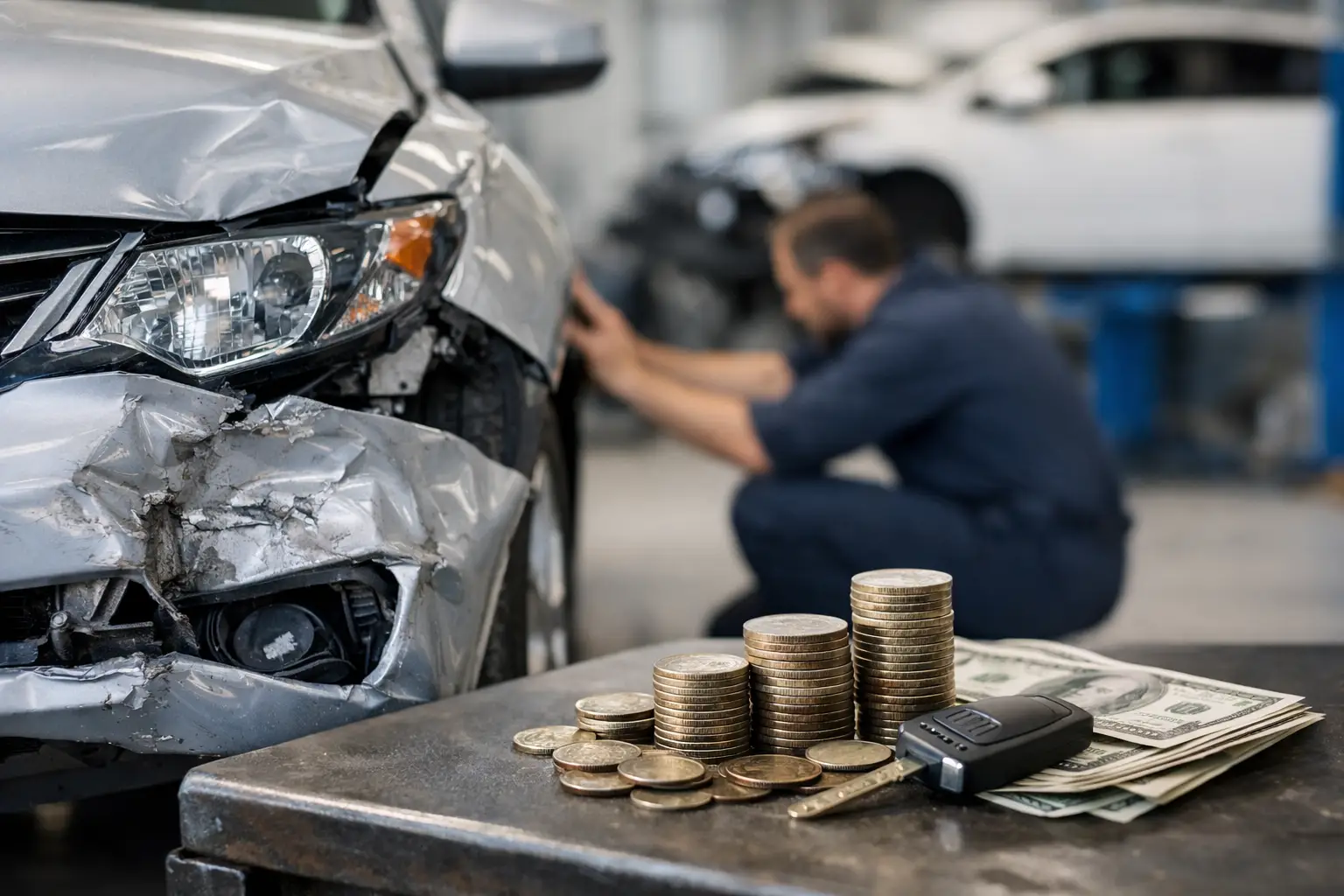
After an accident, one of the first questions drivers ask is how much does collision repair cost. The honest answer is that pricing can vary quite a bit, because collision repair is not one single service. A repair bill depends on what was damaged, how deep the damage goes, what parts need to be replaced, and how much refinishing is required to get the vehicle looking right again.
For drivers in Lakeland, that usually means the estimate has to cover both safety-related repairs and cosmetic restoration. A bumper may look lightly scuffed on the outside, but the impact absorber, brackets, sensors, or mounting points behind it may also be damaged. That is why two vehicles with similar-looking damage can end up with very different repair costs.
How much does collision repair cost for most vehicles?
Most collision repair jobs fall into a wide range rather than a flat price. Minor cosmetic damage may cost a few hundred dollars, while moderate collision work often lands in the low thousands. More serious repairs involving multiple panels, structural damage, suspension issues, or advanced driver assistance systems can climb much higher.
A small dent and paint repair on a single panel may be relatively manageable. A front-end accident that affects the bumper, fender, hood, headlights, and paint blending across adjacent panels is a different kind of repair entirely. The labor, materials, parts, and calibration needs all increase.
That is why any shop giving a real answer to how much does collision repair cost has to inspect the vehicle in person. Photos can help, but they do not always show hidden damage, broken clips, bent reinforcement parts, or alignment issues.
What affects collision repair cost the most?
The biggest cost factor is the extent of the damage. Surface scratches and minor dents are generally less expensive than damage that reaches the body structure or affects mechanical components. Once the repair moves beyond appearance and into safety systems or structural correction, the bill usually rises.
Parts are another major variable. Original equipment manufacturer parts, aftermarket parts, and recycled parts all come with different price points. Which option makes sense depends on the vehicle, the insurance claim, availability, and the repair plan. In some cases, a part can be repaired. In others, replacement is the better and safer option.
Paint work also has a real impact on the total. A proper finish is not just a quick spray-over. It may require prep work, sanding, primer, color matching, blending into adjacent panels, and clear coat application. Metallic, pearl, and tri-coat colors often take more time and material to match correctly.
Labor rates matter too, especially when damage involves disassembly and reassembly. Modern vehicles are built with tightly integrated panels, clips, electronics, sensors, and trim components. Even a repair that seems straightforward can involve a fair amount of labor to restore the vehicle correctly.
Minor collision damage vs. major collision damage
Minor collision damage usually includes things like bumper scuffs, small dents, scratched doors, light fender damage, or paint transfer. These repairs are often more affordable because they may not involve structural correction or extensive replacement work. If the panel can be repaired instead of replaced, that can help keep costs down.
Moderate damage often means several affected areas at once. A front or rear impact might damage a bumper cover, reinforcement bar, grille, lighting, and one or more adjacent body panels. At that point, the estimate reflects not only parts and paint but also the labor needed to fit everything correctly and refinish the repaired areas so the car looks consistent.
Major damage is where costs can rise quickly. If the frame or unibody structure is bent, or if suspension, airbags, cooling components, or electronic systems are involved, repair becomes more complex. Those jobs often require additional measuring, specialized equipment, replacement parts, and post-repair checks.
Why hidden damage changes the estimate
One reason collision estimates sometimes change after work begins is hidden damage. This is common in bumper and quarter panel impacts. The outer panel may be the obvious issue, but once the technician removes parts, more damage may appear underneath.
That does not always mean the first estimate was wrong. It usually means some damage could not be confirmed until teardown. Insurance companies are used to this process, and supplements are a normal part of collision repair when additional damage is found after disassembly.
For vehicle owners, the practical takeaway is simple. A low estimate is not always the most accurate estimate. What matters is whether the shop is identifying the full scope of repairs needed to return the vehicle to proper condition.
Paint and finish work are part of the real cost
A lot of people focus only on dents, panels, and replacement parts, but refinishing is a major part of collision repair cost. Even when the damaged area seems limited, the repaired section has to match the rest of the vehicle in color, gloss, and texture.
That may require blending nearby panels so the repair is not obvious in sunlight or from different angles. This is especially important on newer vehicles and on colors that are harder to match. A proper paint repair also protects the repaired surface and helps preserve the vehicle’s appearance over time.
For a shop that handles both body repair and paint work, that combined process can also save customers time. It reduces the need to move the vehicle between separate vendors and helps keep the repair quality more consistent from start to finish.
Insurance coverage and out-of-pocket cost
If you are filing a claim, your out-of-pocket amount may be limited to your deductible. Still, the total repair cost matters because it affects claim approval, repair planning, and whether the insurer considers the vehicle repairable.
Insurance coverage can also influence which parts are approved and how the estimate is written. Some policies allow specific part types, while others may have tighter guidelines. If the damage is minor and close to your deductible amount, you may decide to pay out of pocket instead of filing a claim.
For Florida drivers, it is worth reviewing your policy carefully after an accident. Collision coverage, comprehensive coverage, and liability coverage all apply in different situations. A shop can help document repair needs, but coverage decisions still depend on your insurer and policy terms.
Why newer vehicles can cost more to repair
Newer cars often cost more to repair even after relatively modest impacts. That is because they include more sensors, cameras, parking assist features, specialized lighting, and model-specific parts. A bumper is no longer just a bumper on many vehicles. It may house multiple systems that need careful handling and, in some cases, calibration after repair.
Material type also matters. Aluminum panels, high-strength steel components, and manufacturer-specific repair procedures can all affect labor and equipment requirements. The result is a repair process that is more precise and often more expensive than people expect.
Getting an accurate estimate from a local shop
The best way to get a useful answer on repair cost is to schedule an inspection with a collision repair shop that can assess both visible and likely hidden damage. A solid estimate should account for body work, replacement parts if needed, refinishing, and any related labor.
If you are comparing estimates, make sure you are comparing the same scope of repair. One quote may include paint blending, new parts, and proper teardown, while another may only reflect the visible damage. A lower number is not always the better repair plan.
For drivers looking for collision and refinishing work in Lakeland, working with a local shop that understands both structural repair and appearance restoration can make the process more straightforward. New Age Auto Painting serves customers who need that combination of body repair and paint work completed in one place.
When repair cost is worth it
Not every collision repair decision is only about the lowest possible price. Vehicle value, safety, appearance, insurance involvement, and how long you plan to keep the car all matter. If the vehicle is in otherwise good condition, professional repair can restore both its drivability and its appearance in a way that protects your investment.
The right next step is usually not guessing from online averages. It is getting the vehicle looked at by a qualified shop, asking what is damaged now, what could be hidden, and what the repair plan includes. That gives you a real number to work with and a clearer path back to a safe, road-ready vehicle.