New Age Auto Painting Blog · August 25, 2026
How to Fix Bumper Scratches Without Making Them Worse
Learn how to fix bumper scratches safely, when touch-up paint is enough, and when Lakeland drivers should choose expert bumper repair and refinishing.
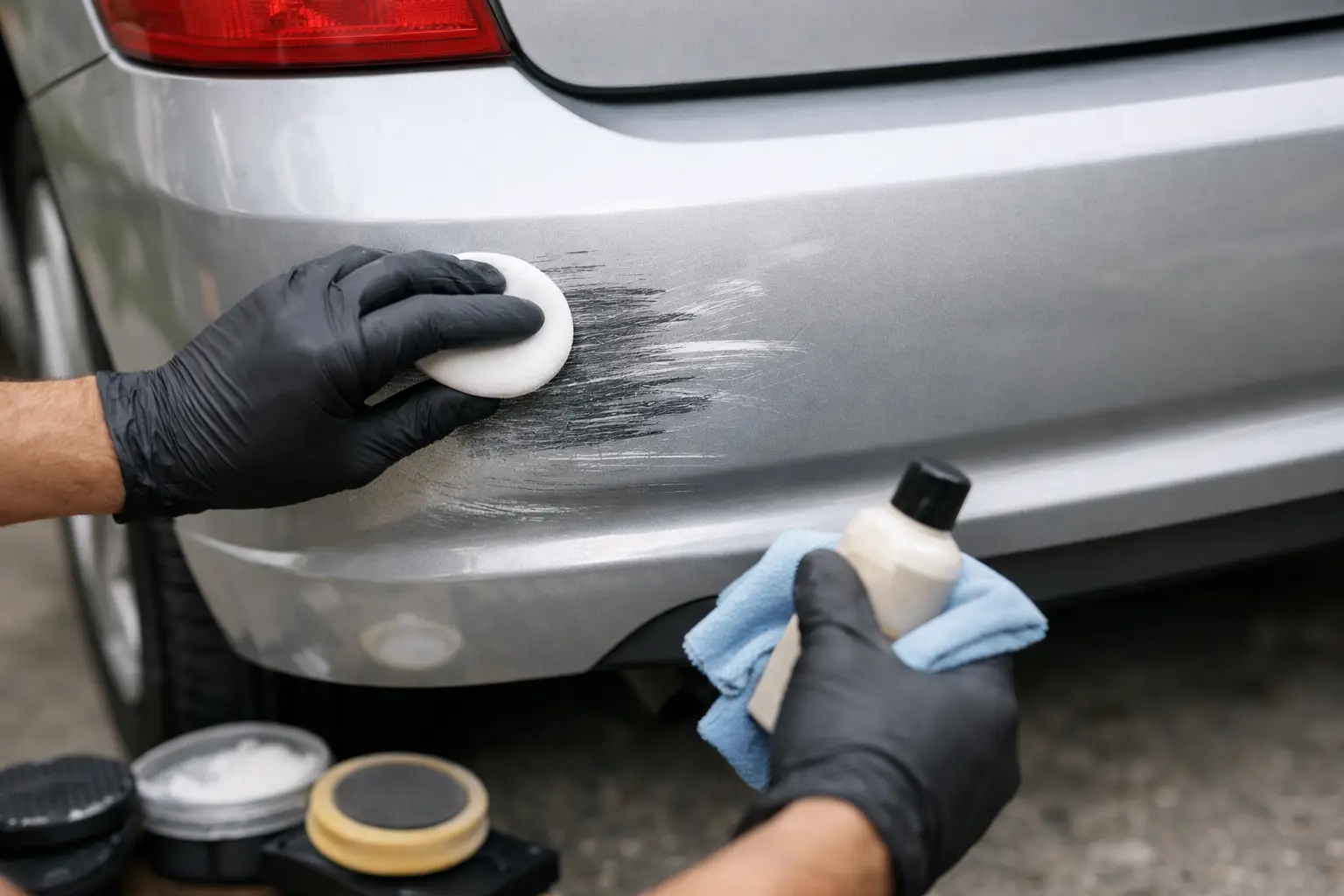
A bumper scratch can look minor in the driveway and much worse under Florida sun. Before reaching for a polishing compound or touch-up paint, take a close look at the damage. Knowing how to fix bumper scratches starts with identifying whether the mark is in the clear coat, through the color, or deep enough to expose the bumper material.
A careful repair can improve a light scratch at home. A rushed repair can leave a dull spot, an obvious paint mismatch, or damage that spreads beyond the original mark. For deeper scratches, professional body repair and refinishing usually delivers the cleaner, longer-lasting result.
Identify the Type of Bumper Scratch First
Most modern bumpers are painted plastic. They are designed to flex during minor impacts, but the paint layers on top can still chip, scrape, or crack. The depth of the damage determines the right repair method.
A surface scuff may look like a scratch but is often paint transfer from another vehicle, a parking pole, a shopping cart, or a garage wall. If your fingernail does not catch in the mark, the damage may be limited to the clear coat or may be transfer sitting on top of it. These marks are the best candidates for cleaning and light polishing.
If your fingernail catches slightly and you can still see the vehicle's color beneath the scratch, the color coat is likely damaged. Touch-up paint may help, but it must match the factory paint code and be applied carefully.
A deep white, gray, or black line often means the scratch has reached the primer or bare bumper plastic. At that point, a quick touch-up pen may hide the area from a distance, but it will not create a smooth, factory-quality finish. Gouges, split plastic, loose paint, or scratches near parking sensors need more than cosmetic polishing.
How to Fix Bumper Scratches at Home
DIY repair makes sense for light scuffs and shallow clear-coat scratches. Work in a shaded, clean area. Direct sunlight can dry products too quickly and make it harder to see whether the scratch has actually improved.
Start With a Thorough Wash
Wash the bumper with automotive soap and water, then dry it with a clean microfiber towel. Dirt trapped in the damaged area can cause additional scratches while you work. Do not use household cleaners, abrasive pads, or rough shop towels. They can strip protection from the finish and create hazy marks around the repair.
After cleaning, inspect the mark from several angles. If it looks like transferred paint rather than a cut into your bumper, apply a small amount of automotive rubbing compound or scratch remover to a microfiber applicator. Work a small area using light pressure, then wipe it clean and reassess. It is better to make several gentle passes than one aggressive pass that burns through the clear coat.
Polish Light Clear-Coat Scratches Carefully
For a light scratch that remains after cleaning, use a fine polishing compound designed for automotive clear coat. Apply it by hand with a soft foam or microfiber applicator and follow the product directions. Keep the work area small, especially on bumper curves and edges where paint can be thinner.
Polish can reduce the visibility of a scratch by leveling the surrounding clear coat. It cannot replace paint that is missing. If the scratch remains clearly visible after a few careful attempts, stop before you create a larger dull patch that will need refinishing.
Once the surface looks improved, apply a quality wax or paint sealant after the area has been cleaned. This will not repair the scratch, but it can add protection and restore some gloss.
Use Touch-Up Paint Only for Small Paint Chips
For a small scratch that has cut through the color but has not damaged the bumper plastic, factory-matched touch-up paint can be a practical solution. Find the paint code on your vehicle's identification label rather than choosing a color based only on the vehicle's name. Shades can vary by model year, trim, and factory batch.
Clean the area, allow it to dry completely, and use a fine applicator rather than loading the scratch with a thick blob of paint. Build the color in thin layers, allowing each layer to dry as directed. If your touch-up system includes clear coat, apply it only after the color coat has cured properly.
Touch-up paint is a compromise. It can protect a small damaged area and make it less noticeable, but it rarely disappears completely. Metallic, pearl, tri-coat, and faded paint finishes are especially difficult to blend outside of a paint booth.
When a Bumper Scratch Needs Professional Repair
Some bumper damage should not be treated as a weekend project. A professional repair is the better choice when you see any of the following:
- Exposed or gouged bumper plastic
- Cracked paint, peeling clear coat, or a dent beneath the scratch
- Damage across a large or highly visible section of the bumper
- Scratches near parking sensors, cameras, radar components, or trim pieces
- Damage caused by a collision, even if the bumper still appears to be attached securely
A scratch can hide damage behind the bumper cover. Modern vehicles often place sensors, mounts, absorbers, and safety-related components behind the painted surface. If the damage came from an impact rather than a simple scrape, an inspection can help determine whether the repair is only cosmetic.
What Professional Bumper Refinishing Does Differently
Professional bumper repair is not simply applying paint over the scratch. The damaged area is cleaned, sanded, and prepared so the new finish adheres correctly. If the bumper is gouged, the technician can repair and shape the plastic before priming the area. Cracks may require plastic repair methods to restore the bumper cover's integrity before refinishing begins.
Color matching is another major advantage. Automotive paint changes appearance based on age, sun exposure, metallic content, and the surrounding panels. A professional shop can formulate and spray a matched color, blend where needed, and apply clear coat for consistent gloss and durability.
The bumper is then cured and inspected for texture, color, panel alignment, and finish quality. This process matters because a patch that looks acceptable on day one can reveal a hard edge, uneven gloss, or peeling paint after a few months outside.
For Lakeland drivers, New Age Auto Painting can evaluate whether a scratch needs simple refinishing, bumper repair, or a broader collision repair inspection. Having body repair and paint work handled in one place helps avoid a cosmetic fix that overlooks related damage.
Florida Conditions Can Make Scratch Damage Worse
Central Florida heat, rain, humidity, and constant sun exposure are hard on vehicle finishes. Once a scratch exposes primer or bare plastic, moisture and contaminants can work into the damaged area. Plastic will not rust like metal, but exposed paint edges can continue lifting, and the surrounding finish may fade differently over time.
Sun also makes mismatched touch-up paint more noticeable. A small repair on a bumper that faces years of UV exposure may not match the rest of the vehicle as closely as expected. If appearance matters to you or you plan to sell or trade the vehicle, professional refinishing is often worth considering sooner rather than later.
Protect the Repair Afterward
After any bumper scratch repair, wash the vehicle with automotive-safe products and avoid harsh brush washes for the first several weeks if fresh paint was applied. Newly refinished areas need time to fully cure. Follow the shop's specific care instructions before applying wax, ceramic coatings, or paint protection film.
Parking carefully is still the best protection. Leave room near concrete stops, avoid tight spaces when possible, and use your vehicle's camera and parking sensors as aids rather than relying on them alone. Small habits can prevent the same corner of the bumper from becoming a repeat repair.
If the scratch is shallow, a patient cleaning and polishing process may be all it needs. If paint is missing, the bumper is gouged, or the damage followed an impact, getting a professional assessment early gives you the best chance of restoring a clean, presentable finish without turning a small repair into a larger one.