New Age Auto Painting Blog · May 31, 2026
How to Repair Bumper Cracks Properly
Learn how to repair bumper cracks the right way, when DIY works, when replacement makes sense, and how body shops restore finish and strength.
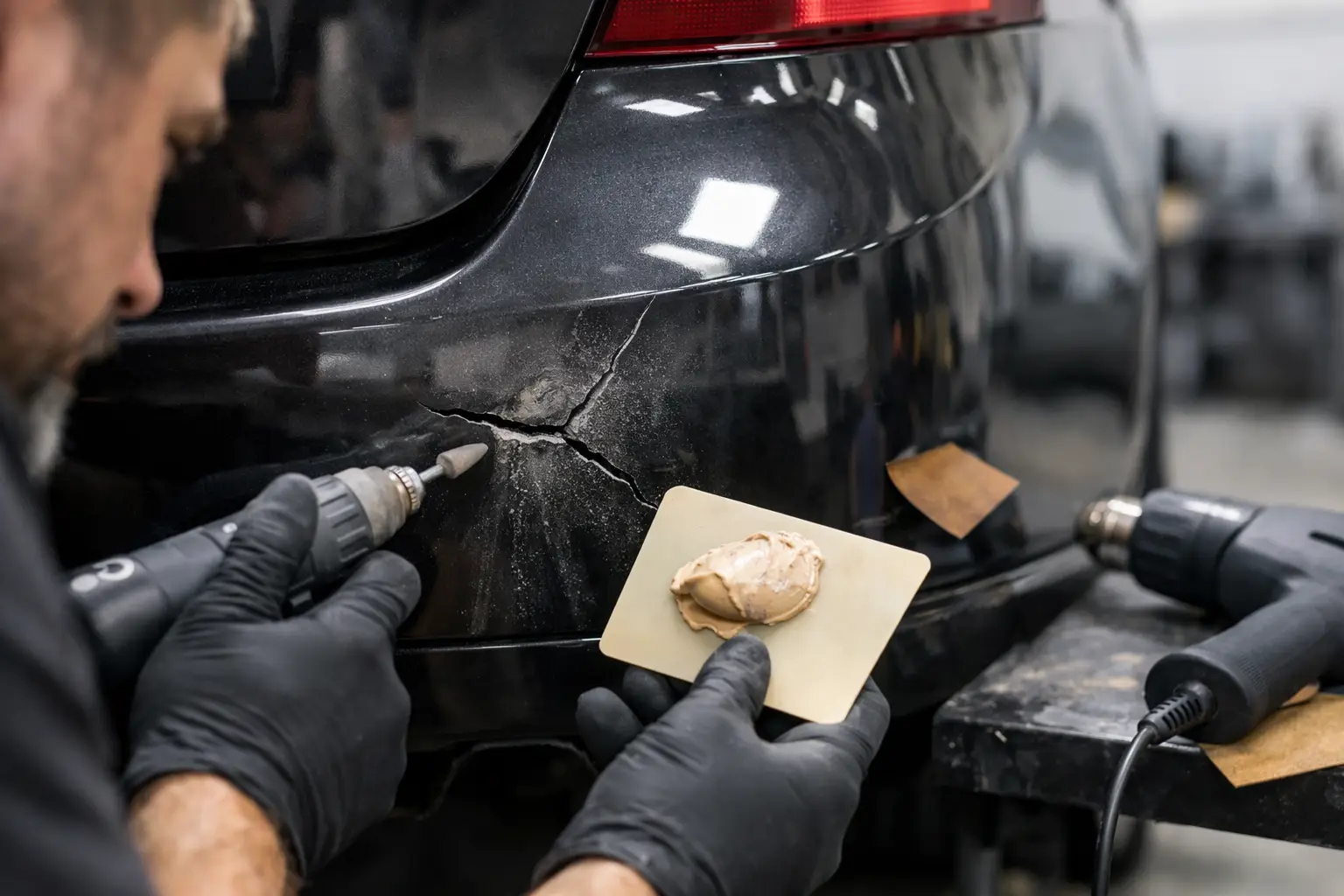
A cracked bumper usually looks minor until you notice the damage spreading, the paint starting to lift, or the panel shifting out of place. If you are searching for how to repair bumper cracks, the real question is not just how to fill the damage. It is whether the bumper can be repaired correctly, hold up over time, and still look right after paint.
Modern bumpers are built to absorb impact, protect underlying components, and maintain the appearance of the vehicle. Most are made from flexible plastic rather than metal, which means repair methods are different from what many drivers expect. A quick patch may hide the crack for a short time, but a proper repair involves restoring both the shape and the strength of the damaged area.
How to Repair Bumper Cracks the Right Way
The first step is identifying what kind of crack you are dealing with. A small surface split in the outer plastic is very different from a full-depth crack that runs through the bumper cover. If the crack is short, clean, and not near a mounting tab or corner, repair is often possible. If the bumper is torn, badly warped, or missing plastic, the job becomes more involved and sometimes replacement is the better value.
A proper bumper crack repair usually starts by removing the bumper or at least gaining full access to both the front and back of the damaged area. That matters because durable repairs are reinforced from behind, not just skimmed over on the visible surface. The damaged section is cleaned thoroughly, sanded, and opened up slightly along the crack line so repair material can bond correctly.
From there, a technician uses a plastic repair process designed for bumper material. Depending on the bumper type and severity of damage, that may involve plastic welding, two-part repair adhesives, or reinforcement mesh on the back side. The goal is to stabilize the crack so it does not reopen with vibration, heat, or minor flexing.
Once the structure is repaired, the front surface is leveled with finishing material, sanded smooth, primed, and refinished to match the rest of the vehicle. That final stage is where many DIY repairs fall apart. Even if the crack feels solid, poor surface prep or incorrect paint work can leave an obvious repair line, texture mismatch, or color difference.
When a Bumper Crack Can Be Repaired
Many plastic bumper cracks can be repaired successfully, especially when the damage is limited and the bumper still fits the vehicle correctly. A good candidate for repair usually has one or more clean cracks, no major distortion, and no severe damage to the attachment points.
Repair is often the practical choice when the crack is cosmetic to moderate, the underlying supports are intact, and the bumper cover has enough material left to rebuild properly. In those cases, repairing the existing bumper can save money compared with full replacement while still restoring appearance and function.
That said, repair is not always the best answer. If the bumper has split in multiple directions, has large missing sections, or has damage near sensors, brackets, or impact-absorbing components, replacement may be smarter. The same goes for bumpers that have already been repaired poorly in the past. Layering another repair over weak material often leads to repeat failure.
DIY vs Professional Bumper Crack Repair
There are store-bought kits marketed to drivers who want a quick fix, and some do work for very minor damage. If the crack is small and you are mainly trying to improve appearance on an older vehicle, a DIY approach may be enough for your goals. But there is a difference between making a crack less noticeable and completing a repair that lasts.
The biggest challenge with DIY bumper work is material compatibility. Not all bumpers are made from the same type of plastic, and the wrong repair compound may not bond or flex the way it should. Another common issue is skipping reinforcement on the back side. That can leave the bumper looking acceptable at first, only for the crack to print back through the paint later.
Paint matching is another trade-off. Even if you repair the plastic correctly, refinishing a bumper takes the right prep, primer, paint products, and spray technique. Metallic colors, pearl finishes, and faded paint are especially difficult to match without professional equipment and experience.
For newer vehicles, daily drivers, and cars you want to keep looking right, professional repair usually gives a better result. A body shop can evaluate whether the crack is only cosmetic or whether there is hidden damage behind the bumper cover. That is important after even a low-speed impact.
What a Professional Repair Process Looks Like
At a quality auto body shop, bumper crack repair is treated as more than a cosmetic patch. The inspection starts with the visible damage, but it also includes fitment, mounting points, trim alignment, and any hidden issues behind the cover. If the bumper shifted during impact, there may be damage to brackets, retainers, absorbers, or nearby panels.
After inspection, the bumper is cleaned and prepped to remove wax, road film, and contaminants that interfere with adhesion. The cracked area is then repaired using plastic-specific methods that match the bumper material and the severity of the damage. Reinforcement is added where needed to restore durability.
Once the crack is stabilized, the outer surface is shaped and refined so the repair blends into the bumper rather than sitting on top of it. Primer and sanding follow, then the bumper is painted and clear coated to restore finish and protection. On a properly repaired bumper, the customer should not be left with rough texture, visible filler edges, or an obvious difference in gloss.
For Lakeland drivers, this kind of repair matters because Florida heat and sun are tough on poor-quality body work. A weak repair can expand, shrink, or show through faster when exposed to high temperatures and constant UV exposure. That is one reason professional prep and refinishing are worth it.
How Much Damage Is Too Much?
There is no single rule for when a crack becomes unrepairable. It depends on location, length, bumper material, and whether the panel still holds its original shape. A six-inch crack in the middle of the bumper may be repairable, while a shorter crack at a corner with broken tabs may push the job toward replacement.
Damage near body lines also takes more skill to repair cleanly. If the crack runs through a sharp contour, lower valance area, or sensor opening, restoring the original shape becomes more precise work. The bumper may still be repairable, but it is not a simple filler job.
If the vehicle has advanced driver-assistance features, the evaluation should be even more careful. Some bumpers house or align sensors used for parking assist or collision systems. In those cases, appearance is only part of the equation. The repair has to preserve proper fit and function.
Why Timing Matters After a Crack Appears
Many drivers put off bumper repair because the car still drives fine. That is understandable, but waiting can make the job worse. Cracks tend to spread with vibration, temperature changes, car washes, and minor contact during parking. What starts as a repairable split can turn into a larger break or cause the bumper to loosen at the edges.
Exposed plastic and damaged paint can also lead to a more worn appearance over time. If the bumper crack is the result of an impact, delaying repair may also mean missing hidden problems behind the cover. Addressing the damage early usually gives you more repair options and a better cosmetic result.
For drivers who want a straightforward answer on how to repair bumper cracks, the most accurate one is this: repair the structure first, not just the surface, and make sure the finish work matches the rest of the vehicle. If the damage is minor, a DIY fix may help temporarily. If you want the bumper to look right and hold up, professional body repair is usually the better path.
At New Age Auto Painting, that kind of work is about restoring the vehicle as a whole, not just making damage less noticeable for a few weeks. If your bumper is cracked, loose, or starting to show previous repair failure, getting it evaluated now can save you from a larger repair later.