New Age Auto Painting Blog · July 4, 2026
How to Repair Minor Fender Damage
Learn how to repair minor fender damage, when DIY works, and when a Lakeland body shop is the better choice for paint and panel repair.
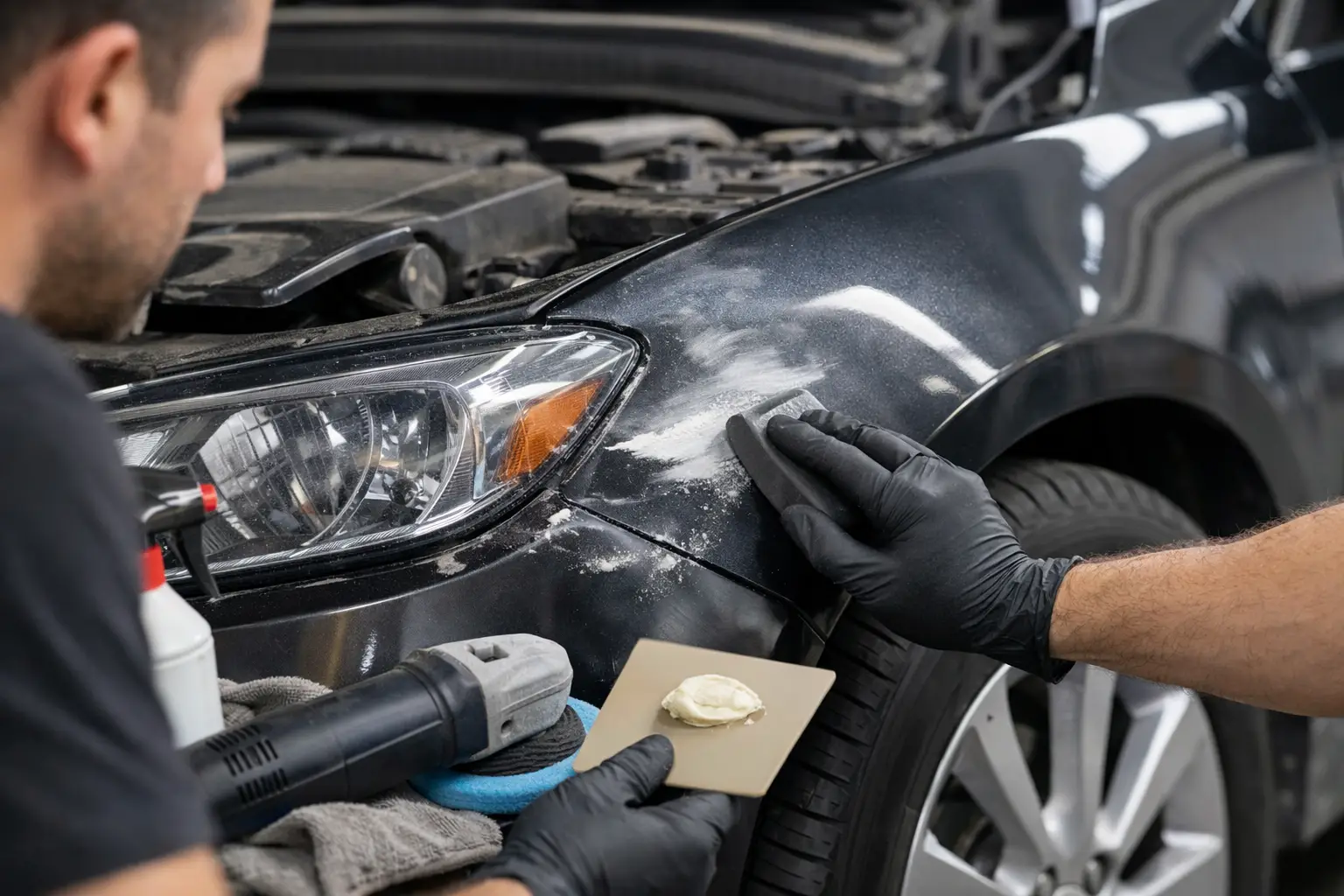
A scraped parking lot post, a low-speed bump, or a shopping cart in the wrong place can leave you searching for how to repair minor fender damage faster than you expected. The good news is that light cosmetic damage is sometimes manageable. The hard part is knowing whether you are dealing with a simple dent and scuff or a repair that needs professional body work and paint refinishing.
Fenders take a lot of abuse because they sit at the edge of the vehicle and absorb contact from everyday driving hazards. On many vehicles, minor damage looks worse than it is. On others, what seems small on the surface can hide stretched metal, cracked paint, broken clips, or misalignment near the wheel opening. That is why the best repair approach depends on the material of the fender, the depth of the dent, and whether the paint is still intact.
How to repair minor fender damage safely
If the damage is limited to a shallow dent, light scuffing, or surface-level paint transfer, a careful repair may be possible without major body work. Before doing anything, wash the area thoroughly. Dirt and road grit can scratch the finish further and make it harder to judge the true extent of the damage.
After cleaning, inspect the panel in good light. Look for cracked paint, exposed metal, creases, sharp edges, and gaps between the fender and nearby panels. If the dent sits on a flat or gently curved area and the paint has not broken, the repair may stay in the cosmetic category. If the panel is folded, the wheel opening is distorted, or the fender is rubbing near the tire, stop there. That type of damage usually needs professional correction.
For paint transfer from another object, use a mild automotive cleaner or rubbing compound made for clear coat surfaces. Work slowly with a microfiber towel and test a small section first. In many cases, what looks like a deep scrape is partly another material sitting on top of your paint. If the mark lightens or disappears without cutting into the finish, you may avoid a more involved repair.
Small dents on metal fenders can sometimes be improved from behind the panel if there is access. This is where many do-it-yourself attempts go wrong. The goal is controlled pressure, not force. Pushing too hard can create a high spot that is just as noticeable as the original dent. If the metal has stretched or the dent has a defined crease, it usually will not return cleanly with simple pressure.
Plastic fender sections or trim pieces behave differently. Some may flex back with heat and reshaping, but too much heat can warp the material or damage the paint. That is one reason minor-looking repairs often end up in a body shop anyway. A clean finish matters as much as getting the shape back.
What counts as minor fender damage
Minor fender damage generally means the problem is cosmetic and localized. Think small dents, shallow scrapes, paint scuffs, and slight edge distortion that has not affected mounting points or adjacent panels. The wheel should still turn freely, the door should open normally if it is near the fender edge, and the panel should not be loose.
Once damage affects fit, structure, or paint integrity, the repair moves beyond a simple touch-up. Cracked paint matters because moisture can reach the metal underneath and lead to corrosion. Misalignment matters because it can point to hidden damage where the fender attaches to the body. Even a small impact can shift brackets, break retainers, or affect the look of the panel gap.
That is why vehicle owners in Lakeland often benefit from having minor damage checked before trying to handle it alone. Florida heat, rain, and humidity are not forgiving when bare metal is exposed.
Tools and materials that may help
If you are addressing very light cosmetic damage, keep the process basic. A quality car wash soap, microfiber towels, rubbing compound, polishing compound, touch-up paint, primer for exposed metal, and fine sandpaper are common starting points. Some repairs may also call for a dent puller or trim tools, but those only help in the right situation.
The mistake to avoid is buying a stack of body repair products before you know what the panel actually needs. Filler, aerosol paint, and aggressive sanding can turn a small repair into a larger refinishing job. Matching color, metallic flake, and clear coat gloss is harder than most drivers expect, especially on newer finishes.
When DIY works and when it does not
If you are researching how to repair minor fender damage because the issue is mostly paint transfer or a very shallow blemish, a careful do-it-yourself approach can be reasonable. The repair is lower risk when the original finish is still intact and the goal is improvement rather than perfection.
DIY becomes less practical once the panel needs reshaping, filling, priming, and paint blending. Fender repairs are highly visible. Even if the dent is small, poor paint match or uneven texture can stand out from several feet away. That matters on daily drivers, leased vehicles, and any car where appearance affects resale value.
There is also the time factor. A home repair that stretches over several weekends can still end with visible defects or peeling touch-up paint. A professional shop can evaluate whether the fender should be repaired or replaced, correct the surface properly, and refinish it so the repair looks consistent with the rest of the vehicle.
Common repair steps at a body shop
Professional minor fender repair usually starts with a closer inspection than most owners can do in the driveway. The panel is checked for hidden distortion, mounting damage, and paint failure. From there, the repair plan depends on whether the fender can be restored cleanly or whether replacement makes more sense.
If the panel is repairable, technicians reshape the damaged area, smooth the surface, and prep it for refinishing. Any compromised paint is removed, the surface is primed and sanded, and color is matched to the vehicle’s finish. On many cars, blending into adjacent panels may be needed for a uniform result. That step is one reason professional paint work tends to look more natural than spot spraying from a can.
At a shop that handles both body repair and paint work, the process is more efficient because the repair and refinishing stay under one roof. For drivers dealing with cosmetic collision damage, that can simplify scheduling and improve consistency in the finished result.
Cost factors to expect
Minor fender damage does not have a one-size-fits-all price. The total depends on panel material, dent severity, paint damage, vehicle make and model, and whether trim or liners need removal. A small scuff with no dent is very different from a creased fender with cracked paint near the wheel arch.
Replacement is sometimes more cost-effective than extensive repair, but that depends on parts availability and paint requirements. On some vehicles, repairing the original panel preserves better fit. On others, labor adds up fast and replacement becomes the cleaner path. The right answer comes from seeing the damage in person, not from guessing based on a photo.
Choosing the right repair option in Lakeland
For local drivers, the best choice is usually the one that protects both appearance and long-term condition. If the damage is truly light and the paint is unbroken, simple cleanup and touch-up may be enough. If there is denting, cracked finish, or visible panel shift, professional repair is the safer move.
New Age Auto Painting works with vehicle owners in Lakeland who need body repair and refinishing handled professionally, especially when minor fender damage starts to involve both metal work and paint correction. That combination matters because a fender should not only look straighter. It should also be finished correctly so the repair holds up.
A fender repair does not have to become a major project, but it does need the right level of attention. If you are unsure whether your damage is minor or moving into a more serious repair, getting it checked early can save time, protect the finish, and keep a small problem from becoming a more expensive one later.