New Age Auto Painting Blog · May 1, 2026
How to Restore Faded Car Paint
Learn how to restore faded car paint with practical steps, product tips, and signs that tell Lakeland drivers when professional repainting is needed.
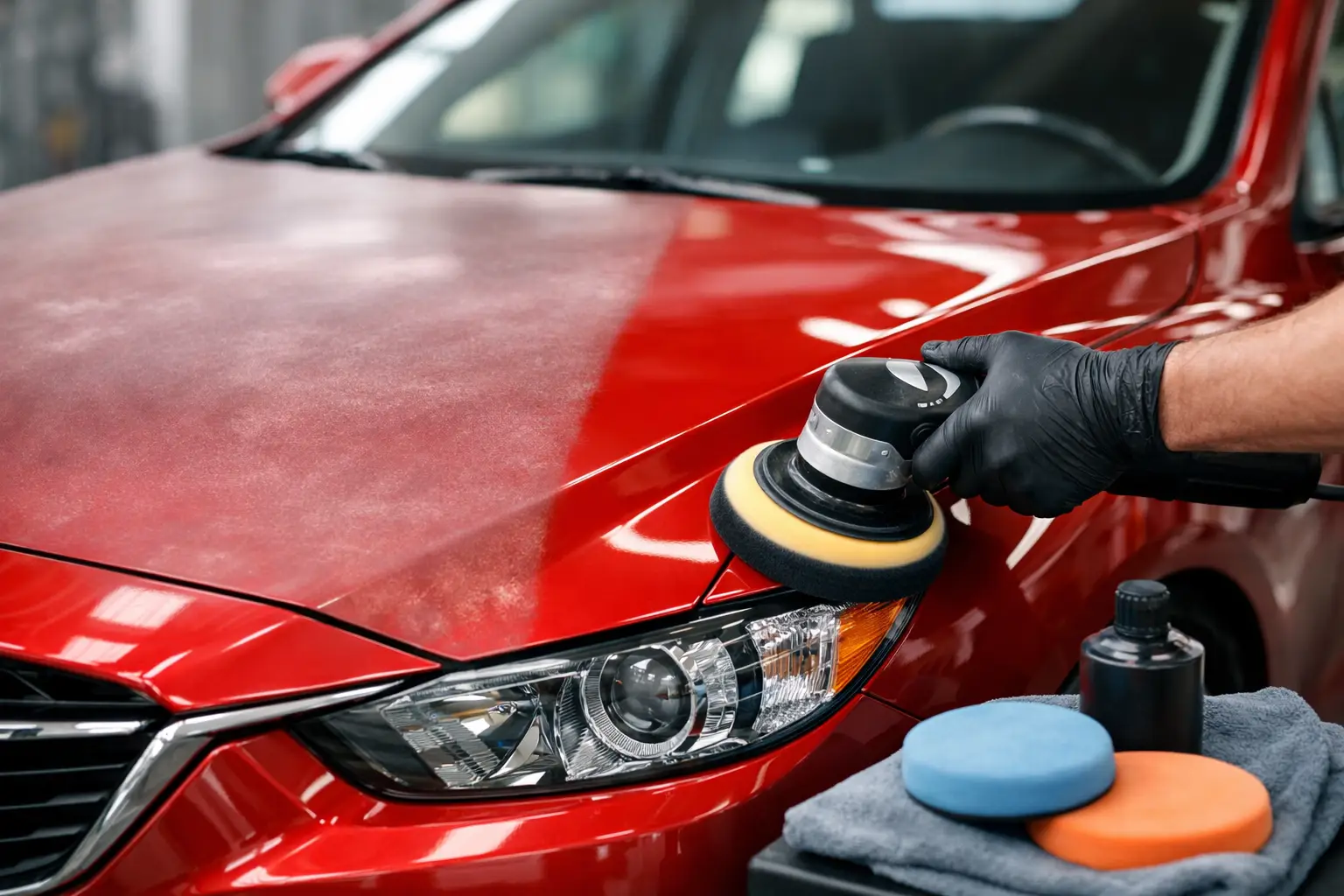
If your vehicle used to shine in the Florida sun and now looks chalky, dull, or uneven, you are not imagining it. Intense UV exposure, heat, rain, and neglected clear coat wear can all change the way a finish looks over time. For drivers searching for how to restore faded car paint, the right fix depends on one key question: is the paint simply oxidized, or has the clear coat already failed?
That distinction matters because some faded finishes can be improved with cleaning, polishing, and paint correction. Others need professional refinishing to get lasting results. If you try to polish a surface that has already lost its protective layer, you may improve the look for a short time, but you will not solve the underlying problem.
How to restore faded car paint starts with diagnosis
Before you buy compounds or waxes, inspect the paint in direct sunlight and in shade. Oxidized paint often looks dull, hazy, or powdery, but the surface may still feel mostly smooth. Clear coat failure usually shows up as peeling, flaking, rough patches, or areas where the finish looks milky and damaged below the surface.
Run your hand lightly across the panel after washing and drying it. If the paint feels rough from contamination, clay bar treatment may help before polishing. If it feels uneven and the gloss is gone but the finish is intact, correction may be possible. If color is transferring onto your towel on a modern base coat/clear coat finish, or if you see peeling edges, the problem is more serious.
A lot of vehicle owners assume all faded paint can be buffed back. Sometimes that works, especially on early oxidation. Sometimes it does not. The difference is what separates a low-cost improvement from a repaint.
What causes paint to fade in Florida
Lakeland drivers deal with conditions that are hard on automotive finishes. Sun exposure is the biggest factor. UV rays break down the clear coat over time, and once that protective layer weakens, the color underneath starts to lose depth and uniformity.
Heat speeds up the aging process. So do road grime, bird droppings, tree sap, hard water spotting, and infrequent washing. If a vehicle sits outside every day and rarely gets wax or sealant protection, paint deterioration tends to show up faster on the hood, roof, and trunk lid because those panels take the most direct exposure.
Previous repair work can also affect how paint ages. Lower-quality materials, poor prep, or improper curing may lead to early fading or peeling. That is one reason professional paint work matters when appearance and durability are both priorities.
The DIY process for restoring faded paint
If the clear coat is still intact, you may be able to improve the finish significantly at home. The process needs patience more than force. Aggressive polishing without a plan can leave swirl marks, burn thin paint, or create uneven gloss.
Step 1: Wash the vehicle thoroughly
Start with a proper automotive wash soap, not dish soap or household cleaners. Remove dirt, road film, and any residue that could scratch the surface during correction. Dry the vehicle with a clean microfiber towel.
This first step is easy to rush, but it matters. Polishing over contamination can do more harm than good.
Step 2: Decontaminate the paint
If the surface feels gritty after washing, use a clay bar or synthetic clay mitt with lubricant. This removes bonded contaminants that standard washing leaves behind. Once the paint is smooth, you can evaluate the true condition of the finish more accurately.
On many faded vehicles, this step alone improves gloss slightly because embedded debris can make paint look flatter than it really is.
Step 3: Test a polishing compound on a small area
Use the least aggressive method first. Choose a small test spot on the hood or upper door panel and apply a light polishing compound by hand or with a dual-action polisher. Work slowly and inspect the result before moving on.
If the gloss returns and the surface looks clearer, oxidation may be the main issue. If little changes, or the finish still looks blotchy and damaged, you may be dealing with clear coat failure or deeper paint breakdown.
Step 4: Follow with a finer polish
After compounding, a finishing polish helps refine the surface and improve clarity. This is where the paint starts to regain more of its original depth. Keep your pad clean and avoid overheating the panel.
More cutting is not always better. On older or thin finishes, too much correction can remove what little protection remains.
Step 5: Protect the surface
Once the paint looks better, seal it. A wax, paint sealant, or ceramic-based protectant helps shield the finish from UV and moisture. Protection will not reverse failed paint, but it can help preserve corrected paint and slow future oxidation.
For daily drivers in Central Florida, this step is not optional if you want the improvement to last.
When DIY paint restoration is not enough
A lot of online advice makes restoration sound simple. In reality, some finishes are past the point where polish and protection will help. If the clear coat is peeling, the paint is heavily chalked, or the color has faded unevenly across large panels, professional refinishing is the proper repair.
This is especially true on hoods and roofs that show severe sun damage. Once the top layer fails, the surface usually needs sanding, prep, and repainting. Trying to buff through that condition often makes the panel look worse.
Another issue is color consistency. If one section restores and another does not, the vehicle can end up looking patchy. Professional paint correction or repainting produces a more uniform result, which matters if you want the vehicle to look clean and presentable again rather than just slightly improved.
How professionals restore faded car paint
When customers ask how to restore faded car paint at a body shop, the answer depends on the condition of the finish. A professional assessment usually starts with paint inspection, thickness evaluation, and a close look at whether the clear coat is still serviceable.
If correction is possible, the shop may perform machine compounding and polishing with professional-grade materials to remove oxidation and revive gloss. If repainting is needed, the process is more involved. Damaged areas are sanded and prepped, failing material is removed, the surface is leveled, and new paint and clear coat are applied under controlled conditions.
That controlled environment is a major difference. Dust, humidity, temperature, and prep quality all affect the final result. Professional refinishing is designed for durability and appearance, not just temporary improvement.
For vehicles with both paint problems and body damage, it also makes sense to work with a shop that handles body repair and refinishing together. That avoids piecing the job out between multiple providers and helps keep the final color and finish consistent.
Common mistakes to avoid
One of the biggest mistakes is using harsh rubbing compound on severely damaged paint without testing first. Another is skipping decontamination and dragging debris across the surface during polishing. Cheap towels, dirty pads, and high-speed rotary tools in inexperienced hands can also leave visible damage quickly.
Product choice matters, but diagnosis matters more. Wax can add temporary shine to faded paint, but it does not correct oxidation. Compound can remove oxidation, but it cannot repair peeling clear coat. Spray shine products may improve appearance for a few days, but they do not restore the finish.
There is also a cost trade-off to consider. Spending money on multiple DIY products for a finish that actually needs repainting can be more expensive in the long run than getting the right repair from the start.
Protecting your paint after restoration
Once your paint has been corrected or refinished, maintenance makes a difference. Wash the vehicle regularly, remove bird droppings and sap quickly, and keep some form of paint protection on the surface. Covered parking helps, but even if you park outside, routine care slows down UV damage.
If your vehicle already shows early dullness on horizontal panels, address it sooner rather than later. Early oxidation is easier to correct than advanced surface failure. Waiting too long limits your options.
For local drivers, Florida weather is not forgiving. A vehicle that looks slightly faded now can move into clear coat failure faster than many owners expect.
Knowing when to call a local paint professional
If your vehicle has faded unevenly, has peeling clear coat, or needs both cosmetic and body repair work, a professional inspection saves time and guesswork. New Age Auto Painting works with Lakeland-area drivers who want their vehicles to look right again, whether that means paint correction, refinishing, or repair after damage.
The best next step is not always the most aggressive one. Sometimes a proper polish restores more than you expect. Sometimes repainting is the only repair that will hold up. A good result starts with an honest assessment of the finish you have now and the result you want when the job is done.
If your car’s paint has lost its color, gloss, or protection, treating the problem early gives you the best chance of bringing the finish back and keeping the vehicle looking road-ready.