New Age Auto Painting Blog · May 19, 2026
Paint Matching Service Lakeland FL
Need a paint matching service Lakeland FL drivers can trust? Learn how auto paint matching works and what to expect for a clean repair.
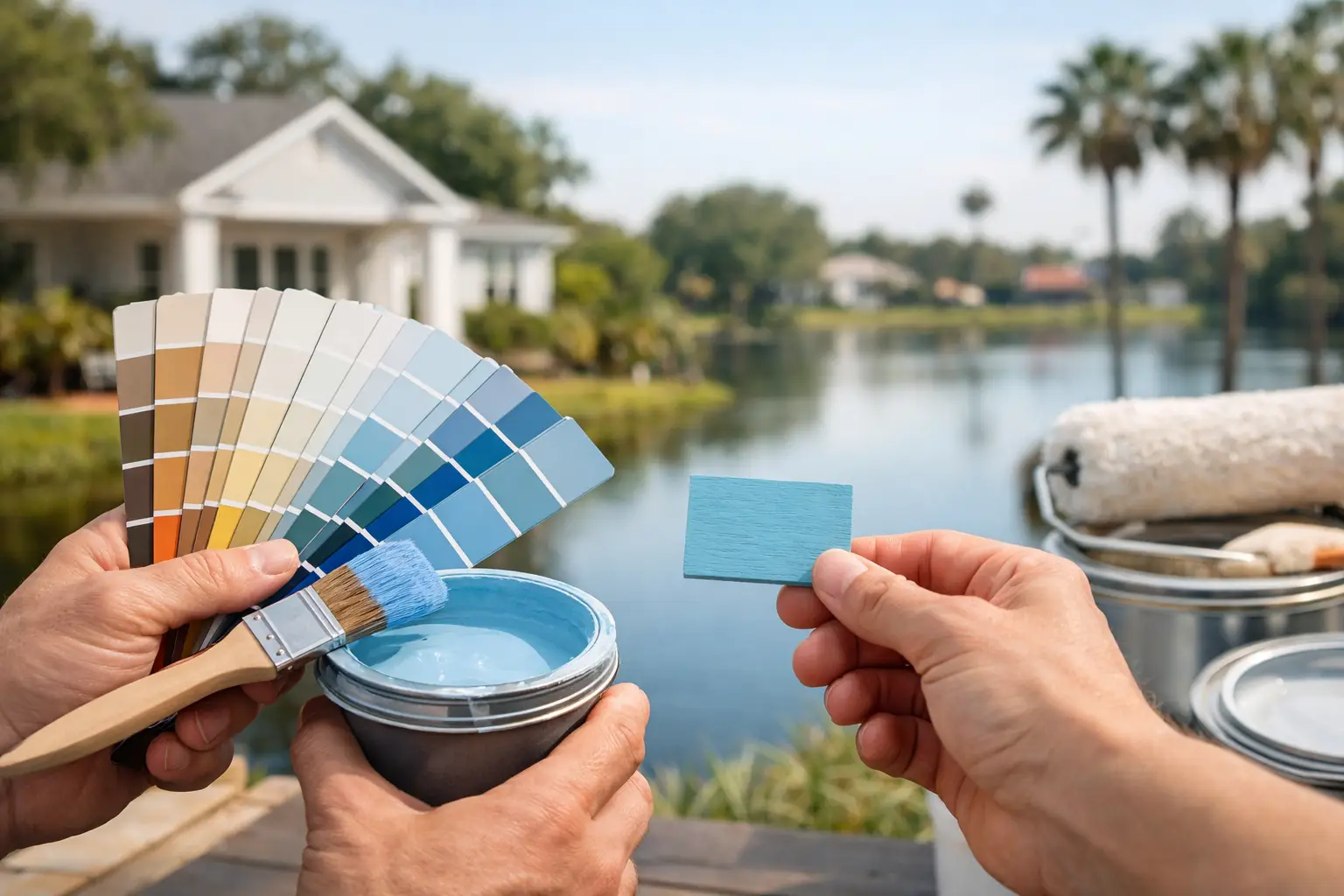
A fender repair can look solid in the shop and still stand out in a parking lot if the color is off by even a little. That is why a paint matching service Lakeland FL drivers rely on matters so much after collision damage, scratches, panel replacement, or fading paint. The goal is not just to repaint a part. It is to make the repaired area look like it belongs on the vehicle.
Auto paint matching is more technical than many drivers expect. Even if you know your vehicle’s factory paint code, that code is only the starting point. Sun exposure, age, weather, prior repairs, and normal wear all affect how the current finish looks. A white truck that has spent years in Florida heat will not reflect light the same way it did when it left the factory. The same goes for black, silver, red, and every metallic finish in between.
What a paint matching service in Lakeland FL actually does
A proper paint match is part science and part experience. The process starts with identifying the original paint information for the vehicle, but it does not stop there. A technician also evaluates how the existing paint has changed over time and how the repair area sits next to the surrounding panels.
That matters because vehicles are viewed as a whole, not panel by panel. If a new bumper cover or repaired door is a shade too light, too dark, too blue, or too flat, it becomes obvious right away. Good paint matching is about getting the color, metallic content, tint, and final finish close enough that the repaired area blends naturally with the rest of the car.
In a professional shop, this usually involves color identification tools, spray-out testing, formula adjustments, and blending techniques. It is not as simple as selecting a color name and spraying it on. Even two vehicles with the same paint code can need different formula adjustments depending on age and condition.
Why factory paint codes are only part of the answer
Many customers assume the paint code on the door jamb guarantees a perfect result. It helps, but real-world repair work is more complicated than that. Manufacturers often have multiple variants for the same code. Those variants can lean slightly warmer, cooler, lighter, or darker.
Then there is vehicle age. Florida sun is hard on automotive finishes. Over time, ultraviolet exposure can dull clear coat, shift the look of the base color, and change how the paint reflects. That means the original code may produce a finish that is technically correct on paper but still wrong on the vehicle.
This is one reason skilled shops test and adjust rather than relying on a formula alone. A technician may need to tweak the mix to better match what is actually on the car today, not what was on it years ago at the factory.
Paint matching service Lakeland FL drivers need after common damage
Color matching becomes especially important when only one section of the vehicle is being repaired. Full repaints are one thing. Spot repairs and panel refinishing are where precision really shows.
A few common situations call for careful paint matching. A side-swipe that damages one door and the rear quarter panel, a front-end accident that requires a new bumper and fender, or localized peeling and fading on one part of the vehicle all create a situation where the new finish sits directly next to older paint. If the difference is visible, the repair looks unfinished even if the body work itself is excellent.
This is also why blending is often part of the process. In some repairs, the best result comes from refinishing the damaged panel and lightly extending color into the adjacent panel so the transition is less noticeable. That approach adds labor, but it can make the difference between a repair that stands out and one that looks natural.
Metallic, pearl, and tri-coat colors are harder to match
Not all automotive colors behave the same way. Solid colors can still be challenging, but metallics, pearls, and tri-coat finishes require extra attention. These paints interact with light differently depending on how the material is mixed and sprayed.
Metallic paint contains small reflective particles. If those particles do not lay down the same way as the original finish, the panel may look correct from one angle and completely wrong from another. Pearl and tri-coat systems add even more complexity because they involve layered color effects that can shift under sunlight, shade, or parking lot lighting.
This is where process control matters. Spray pressure, gun setup, application technique, flash times, and clear coat all affect the final look. A shop that handles collision repair and paint refinishing regularly is better positioned to manage those variables than a provider treating paint work as a secondary service.
What to expect from a professional paint match
If you are searching for a paint matching service in Lakeland FL, you should expect more than a quick color lookup. A professional process usually starts with damage evaluation and repair planning. If body work is needed, the panel has to be repaired and prepared correctly before paint is even considered.
Surface prep matters because paint only looks right on a straight, properly finished panel. Waves, sanding marks, and edge issues can affect the appearance of the final color and gloss. Once the surface is ready, the shop can identify the base formula, compare it to the vehicle, and make adjustments as needed.
You should also expect realistic communication. Some colors are more difficult than others. Some repairs require blending into nearby panels for the best result. Some older vehicles have enough fading that a near-invisible match takes more labor and materials. A quality shop explains those factors instead of promising a shortcut.
Why local conditions in Lakeland matter
Lakeland drivers deal with strong sun, heat, humidity, road debris, and daily use. Those conditions affect both paint damage and paint aging. Oxidation, clear coat wear, stone chips, and surface fading are common, especially on vehicles parked outdoors.
That local wear pattern is one reason a nearby shop can be a practical choice. A team that regularly works on vehicles in this area sees the kinds of paint deterioration Florida conditions create. They know the difference between a fresh factory tone and how that same finish typically looks after years on the road here.
For customers, that local familiarity matters because the repair is not happening in a vacuum. It is happening on a Lakeland vehicle with real sun exposure and real wear, and the paint match needs to reflect that.
How paint matching fits into collision repair
Paint matching is not a separate cosmetic extra when accident damage is involved. It is part of completing the repair correctly. After structural correction, panel replacement, dent repair, or body refinishing, the vehicle still has to look consistent from panel to panel.
That is one reason many drivers prefer one shop that can manage body repair and refinishing together. When the same team handles repair, prep, color match, and final paint application, there is less room for disconnect between stages. The repair plan stays coordinated, and the result is usually more consistent.
For example, if a bumper, fender, and hood all need work after a front-end collision, the paint process has to account for adjacent surfaces, panel alignment, and final finish as a complete job. Treating each part in isolation can create visible differences in color or gloss.
When a close match is enough and when precision matters most
There are cases where a customer may not need the highest level of cosmetic correction. An older work vehicle with heavy wear may not justify the same refinishing approach as a newer personal vehicle. Budget, vehicle age, and intended use all play a role.
But for most daily drivers, family vehicles, leased cars, and newer models, precision matters. A noticeable mismatch can affect resale value, satisfaction with the repair, and how the vehicle presents overall. If the goal is to restore appearance after an accident or visible damage, paint matching should not be treated as an afterthought.
That does not mean every repair is identical. It means the right approach depends on the vehicle, the damage, the color, and the condition of the existing finish. A good shop will explain those trade-offs clearly.
New Age Auto Painting serves drivers who need that kind of practical, professional repair approach in the Lakeland area. Whether the issue is collision damage, a replaced panel, or localized paint deterioration, matching the existing finish is a key part of getting the vehicle back to a clean, road-ready condition.
If your vehicle needs refinishing, the best next step is not guessing from a paint code or hoping a close shade will work. It is getting the car in front of a shop that can evaluate the damage, assess the existing finish, and match the repair to the vehicle you drive today.