New Age Auto Painting Blog · June 2, 2026
Post Collision Safety Inspection Explained
A post collision safety inspection checks damage that can affect steering, brakes, airbags, tires, and alignment after an accident.
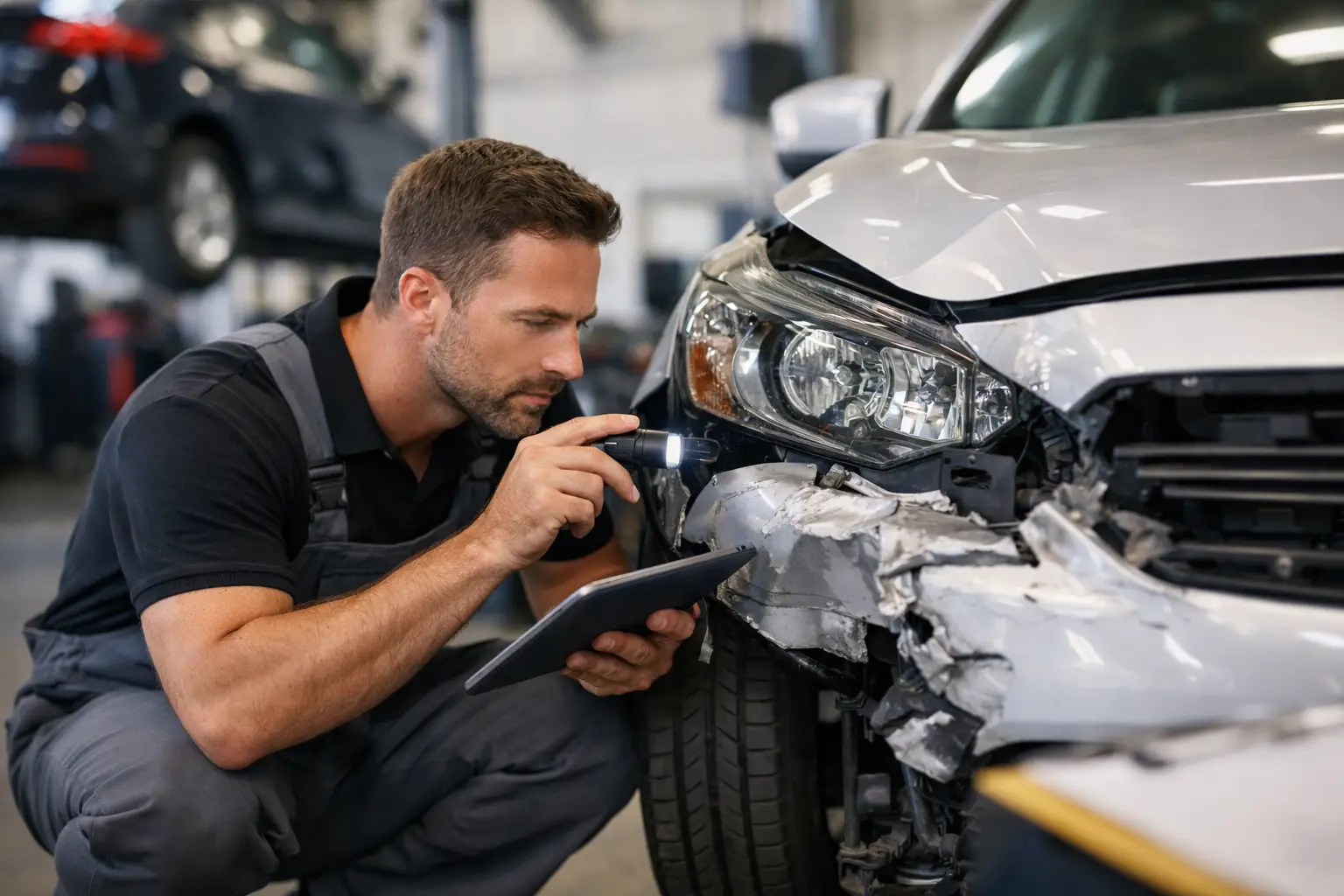
A car can look fine after a crash and still have safety problems hiding underneath. That is why a post collision safety inspection matters. After even a minor accident, issues with alignment, suspension, steering, brakes, sensors, and structural components may not be obvious from a quick walkaround.
For drivers in Lakeland, that matters more than many people realize. A vehicle that tracks slightly to one side, wears tires unevenly, or has a bumper that seems only cosmetically damaged may actually have deeper problems affecting how it handles and protects occupants in another impact. Appearance repair is important, but safety inspection has to come first.
What a post collision safety inspection looks for
A proper inspection focuses on systems that affect roadworthiness and crash protection. The goal is not just to confirm visible damage. It is to identify what changed because of the impact, even if the vehicle still starts, drives, and looks manageable.
That usually begins with structural and body evaluation. Technicians look for signs of damage to the frame or unibody, mounting points, crumple zones, reinforcements, and panel alignment. A fender or bumper cover may be damaged on the surface, but the real concern is what happened behind it.
Steering and suspension are another major part of the process. A collision can bend control arms, damage tie rods, shift suspension geometry, or affect wheel position. Sometimes the only symptom is a steering wheel that no longer sits straight or a vehicle that feels unstable at highway speed.
Braking components also need attention. Impact damage can affect brake lines, wheel speed sensors, calipers, and ABS-related parts. If the collision involved a wheel strike or undercarriage contact, the inspection should be especially thorough.
Tires and wheels are often overlooked. A wheel can be cracked, bent, or out of balance after impact. Tire sidewalls may also suffer damage that does not show up immediately but can create a future failure risk.
Modern vehicles add another layer. Advanced driver assistance systems such as lane departure warning, forward collision warning, blind spot monitoring, and parking sensors often rely on cameras, radar units, and precise calibration. After a collision, these systems may need inspection and recalibration to function correctly.
Why visible damage is only part of the story
One of the biggest mistakes after an accident is assuming the car is safe because the damage seems minor. Low-speed impacts can still transfer force into brackets, mounts, and structural areas that do not show obvious exterior damage.
A front-end impact is a good example. The bumper cover may only show scratches or a crack, but the absorber, reinforcement bar, radiator support, or sensor mounts behind it may be compromised. In a rear collision, the trunk may close normally while hidden damage affects rear body panels or safety-related components.
This is where a post collision safety inspection becomes more than a checkbox. It helps separate cosmetic issues from true safety concerns. It also helps prioritize repairs in the right order, because refinishing or panel replacement should not happen before the underlying condition of the vehicle is confirmed.
The systems that deserve the closest attention
Structural integrity
If the structure of the vehicle is out of specification, everything built around it can be affected. Door fit, panel gaps, suspension geometry, and airbag performance can all be influenced by structural movement. On a unibody vehicle, even relatively small distortions can change how the vehicle responds in another collision.
Steering, suspension, and alignment
When a car pulls, vibrates, or feels loose after an accident, the issue may go beyond alignment alone. Alignment readings can point to damaged suspension or steering parts, and simply adjusting angles without identifying the cause is not the right fix.
Airbags and restraint systems
If airbags deployed, the repair process is already more involved. But even when airbags do not deploy, sensors, wiring, seat belt pretensioners, and restraint-related components should still be checked. A collision can affect these systems without making the problem obvious to the driver.
Lighting and visibility
Headlights, taillights, fog lights, and mounting points matter for safety, not just appearance. So do windshield damage, mirror condition, and the operation of backup cameras or parking aids. A vehicle that returns to the road with reduced visibility creates avoidable risk.
When you should get inspected
The short answer is after any collision, not just major ones. That includes parking lot impacts, curb strikes that happen while avoiding another vehicle, rear-end crashes, side impacts, and incidents where the wheel or suspension took a hit.
There are also warning signs that make an inspection more urgent. If the vehicle pulls to one side, the steering wheel is off-center, there are new noises, warning lights appear, a door or trunk does not close properly, or the tires begin wearing unevenly, those are all signs something may be out of spec.
Even if none of those symptoms appear, inspection is still the safer move. Some damage develops into noticeable symptoms over time rather than immediately after the crash.
What drivers should expect from the repair process
A thorough inspection should lead the repair plan, not follow it. That means evaluating the damage first, identifying safety-related issues, and determining whether structural correction, parts replacement, recalibration, paint work, or a combination of services is needed.
This matters because collision repair is rarely just one thing. A vehicle may need body repair, refinishing, mechanical checks, and system calibration to be truly road-ready. Treating the work as only a paint issue or only a dent issue can leave key problems unresolved.
For that reason, many drivers prefer a shop that handles body repair and refinishing together. When structural and cosmetic restoration are coordinated, it is easier to move from inspection to repair to final finish without gaps in communication. For local vehicle owners, New Age Auto Painting serves that need by focusing on collision-related body and paint restoration in one place.
Why inspection protects long-term value too
Safety is the first concern, but long-term vehicle condition matters as well. Hidden collision damage can lead to premature tire wear, poor handling, recurring alignment problems, water leaks, and uneven panel fit. Those issues cost more if they are ignored early.
There is also a resale factor. Vehicles with documented, properly repaired accident damage generally present better than vehicles with lingering signs of poor repairs or missed damage. A car that drives straight, has even gaps, and shows a quality finish gives the next buyer more confidence than one with warning lights, odd tire wear, or visible mismatch between panels.
That does not mean every repair has to be extensive. Some accidents truly are limited in scope. But you only know that after inspection, not before.
Choosing the right shop for a post collision safety inspection
Drivers should look for a shop that understands collision damage beyond the surface. That means attention to structural condition, body fit, safety systems, and refinishing quality. It also means clear communication about what is damaged, what is safety-related, and what can wait if budget decisions need to be made.
A practical shop will not overstate minor damage, but it also will not dismiss concerns because the car still drives. That balance matters. In collision repair, the right answer is often based on impact location, vehicle design, and how the damage affects surrounding systems.
Local experience helps too. For Lakeland-area drivers, working with a nearby collision repair and auto body shop makes follow-up, scheduling, and repair coordination easier. When repairs involve both body correction and paint matching, keeping the work under one roof can save time and reduce confusion.
After an accident, the goal is not just to make your vehicle look better. It is to make sure it is safe, stable, and properly restored for daily driving. A careful inspection is the step that sets everything else in the right direction. If your vehicle has been hit, even lightly, getting it checked now is usually easier and less expensive than dealing with missed damage later.