New Age Auto Painting Blog · August 5, 2026
Top Signs of Hidden Collision Damage to Check
Learn the top signs of hidden collision damage, from uneven panel gaps to steering changes, and know when Lakeland drivers should book an inspection today.
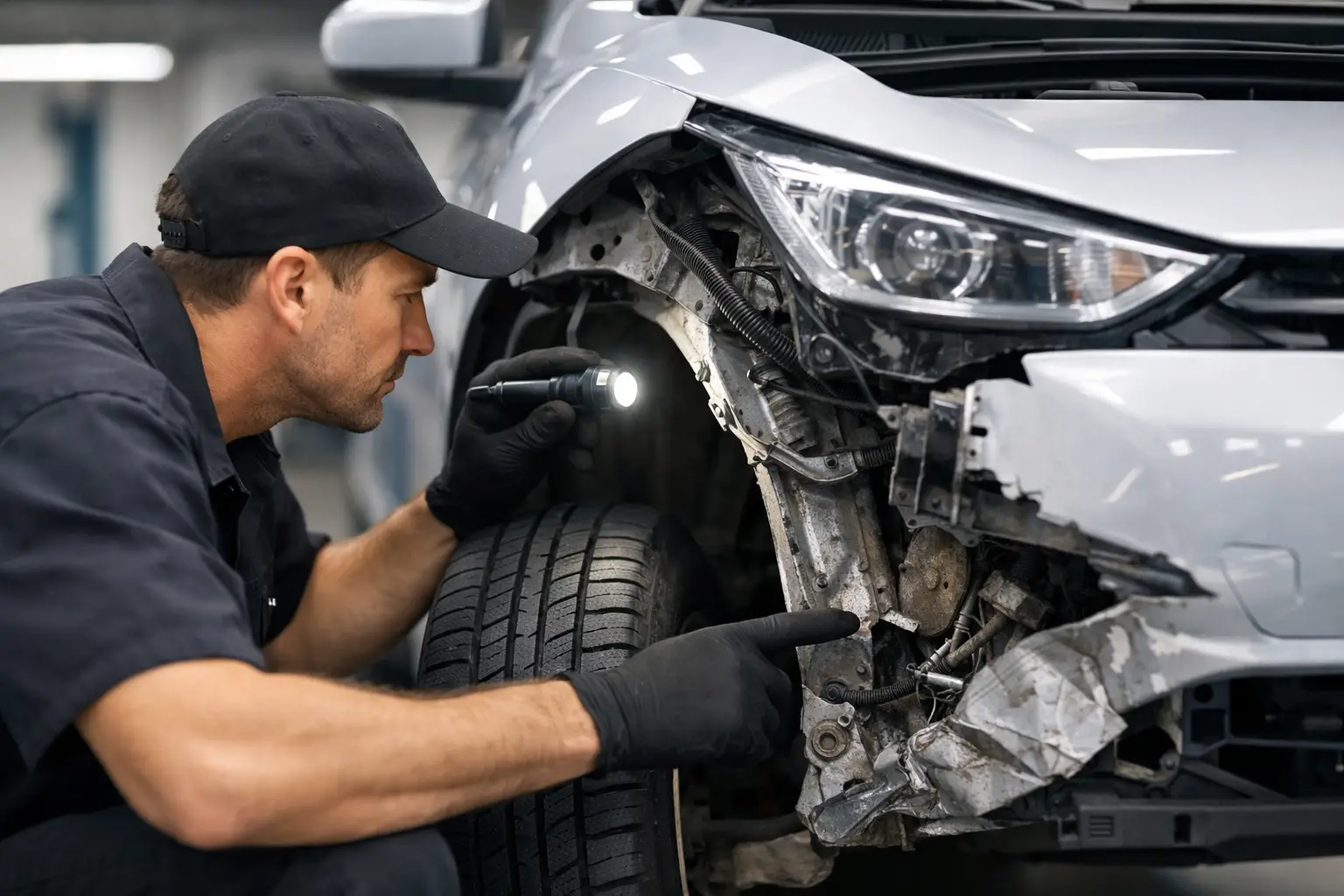
A bumper can look nearly normal after a parking lot hit, yet the impact may have shifted brackets, cracked mounting points, or affected components behind the cover. Knowing the top signs of hidden collision damage helps Lakeland drivers make a better repair decision before small problems turn into safety, handling, or paint issues.
Visible dents and scratches matter, but they do not tell the whole story. Modern vehicles use bumper reinforcements, sensors, impact absorbers, plastic retainers, and carefully aligned body panels. A collision that appears minor on the outside can still affect how the vehicle drives, protects occupants, or holds up over time.
Why Hidden Collision Damage Gets Missed
Damage is easiest to overlook when the vehicle remains drivable. You may be able to get to work, the doors may still open, and the bumper may only show a scuff. That does not confirm that the structure, suspension, wheel alignment, or parts behind the panel are in proper condition.
Florida weather can make the issue harder to spot. Rainwater can enter through a cracked seam or loose liner, while heat and sun can reveal poor repairs through shrinking filler, peeling clear coat, or mismatched paint. An early inspection gives a collision repair professional the chance to identify the full repair scope before those concerns become more expensive.
Top Signs of Hidden Collision Damage
Uneven Panel Gaps or Misaligned Body Parts
Walk around the vehicle and look at the spacing between the hood, fenders, doors, trunk lid, and bumper covers. The gaps should look consistent from one side to the other. A hood that sits higher on one corner, a bumper that pulls away from a fender, or a trunk that no longer lines up cleanly can point to shifted mounts, bent brackets, or body damage beneath the surface.
Panel alignment can also affect function. A door that needs extra force to close, a hood that will not latch smoothly, or a trunk that rubs against adjacent panels should not be dismissed as a cosmetic issue. It may be a simple adjustment, but it can also indicate that the impact moved a hinge, latch support, or underlying panel.
The Vehicle Pulls, Vibrates, or Has an Off-Center Steering Wheel
After any impact near a wheel, curb, or suspension area, pay attention to the way the vehicle tracks on a straight road. Pulling left or right, a steering wheel that sits crooked when driving straight, new vibrations, or a wandering feeling can indicate an alignment problem or damaged suspension and steering components.
An alignment adjustment may correct the concern if nothing is bent. However, a shop should inspect the vehicle first when the issue follows a collision. Adjusting alignment angles without identifying a damaged control arm, tie rod, wheel, or suspension mounting point can mask the source temporarily rather than solve it.
Uneven or Rapid Tire Wear
Check the tire tread across its full width, especially in the weeks after an accident. Excess wear on the inside or outside edge, cupping, or a tire that suddenly loses tread faster than the others can be connected to collision-related alignment or suspension damage.
Tire wear is not always caused by a crash. Normal maintenance, improper tire pressure, and worn components can create similar patterns. The timing matters. If the wear or handling change appeared after an impact, have the tires, wheels, alignment, and suspension inspected together.
New Noises Over Bumps or While Turning
Clunks, rattles, squeaks, grinding, or popping sounds are worth investigating when they begin after a collision. A loose splash shield may create a light rattle, while a damaged suspension part or shifted bumper reinforcement can produce more noticeable noise. The sound alone cannot identify the exact issue, but it is useful information for the repair technician.
Notice when the noise happens. Does it occur while turning into a driveway, braking, traveling over rough pavement, or opening a door? Those details can help isolate whether the concern is related to suspension, steering, brakes, body hardware, or an interior component that was jarred loose during the impact.
Warning Lights or Sensor Problems
A collision can affect more than sheet metal. Many vehicles have parking sensors, blind-spot monitoring, backup cameras, radar units, airbags, seat-belt pretensioners, and other electronic systems located near common impact areas. A warning light, failed sensor, camera message, or feature that behaves inconsistently should be checked promptly.
Do not assume a warning light will clear on its own because the vehicle still runs normally. Some systems need diagnostic testing, parts replacement, or calibration after repair. This is especially relevant after front- or rear-end impacts where bumper-mounted equipment may have been moved or damaged.
Moisture, Wind Noise, or Water in the Trunk
After heavy rain or a car wash, inspect the trunk, spare tire well, floor mats, and door openings for moisture. A shifted rear body panel, damaged weatherstrip, loose tail light, or cracked seam can allow water into areas that should remain dry. Left uncorrected, moisture can lead to odors, corrosion, electrical concerns, and mold.
Wind noise at highway speeds can offer another clue. A new whistle around a door, windshield, or window may mean a seal, molding, or panel no longer sits correctly. Sometimes the repair is straightforward, but the underlying alignment should be confirmed rather than simply covering the symptom.
Paint Cracks, Ripples, or Mismatched Color
Paint can reveal what is happening below the finish. Look for cracking near a dent, ripples in reflected light, bubbling, or a sharp edge where a panel appears to have been previously repaired. Fresh paint that does not match surrounding panels in color, texture, or gloss can also signal that a repair was incomplete or poorly blended.
Cosmetic damage is not automatically structural damage, and not every paint variation means a vehicle is unsafe. Still, professional auto body repair should address both the shape of the panel and the quality of the refinishing work. A proper repair helps protect exposed metal from corrosion while restoring a consistent appearance.
What to Do After You Notice a Problem
Start by documenting what you see. Take clear photos of panel gaps, paint damage, tire wear, warning lights, and any visible broken parts. Write down when handling changes or noises occur. If the accident was recent, keep the insurance claim information and avoid delaying an inspection simply because the damage looks limited.
A qualified collision repair shop can inspect visible body damage as well as components behind the panels. Depending on the impact, that may include checking the bumper system, body mounts, wheel and suspension condition, door and trunk operation, paint condition, and electronic features. The right repair plan depends on the vehicle, the location of the impact, and the extent of damage found during inspection.
For drivers in Lakeland, New Age Auto Painting provides collision repair, auto body work, and professional automotive painting in one place. That matters when a vehicle needs more than a quick cosmetic touch-up. Body alignment, component repair, and paint refinishing should work together to return the vehicle to a clean, road-ready condition.
A vehicle does not need to be severely crushed to deserve professional attention. If something looks uneven, sounds different, handles poorly, or no longer functions as it did before the impact, schedule an inspection while the signs are still clear.