New Age Auto Painting Blog · August 29, 2026
Vehicle Body Panel Replacement Guide for Drivers
Use this vehicle body panel replacement guide to spot repair needs, understand fit and paint work, and choose the right Lakeland collision repair shop.
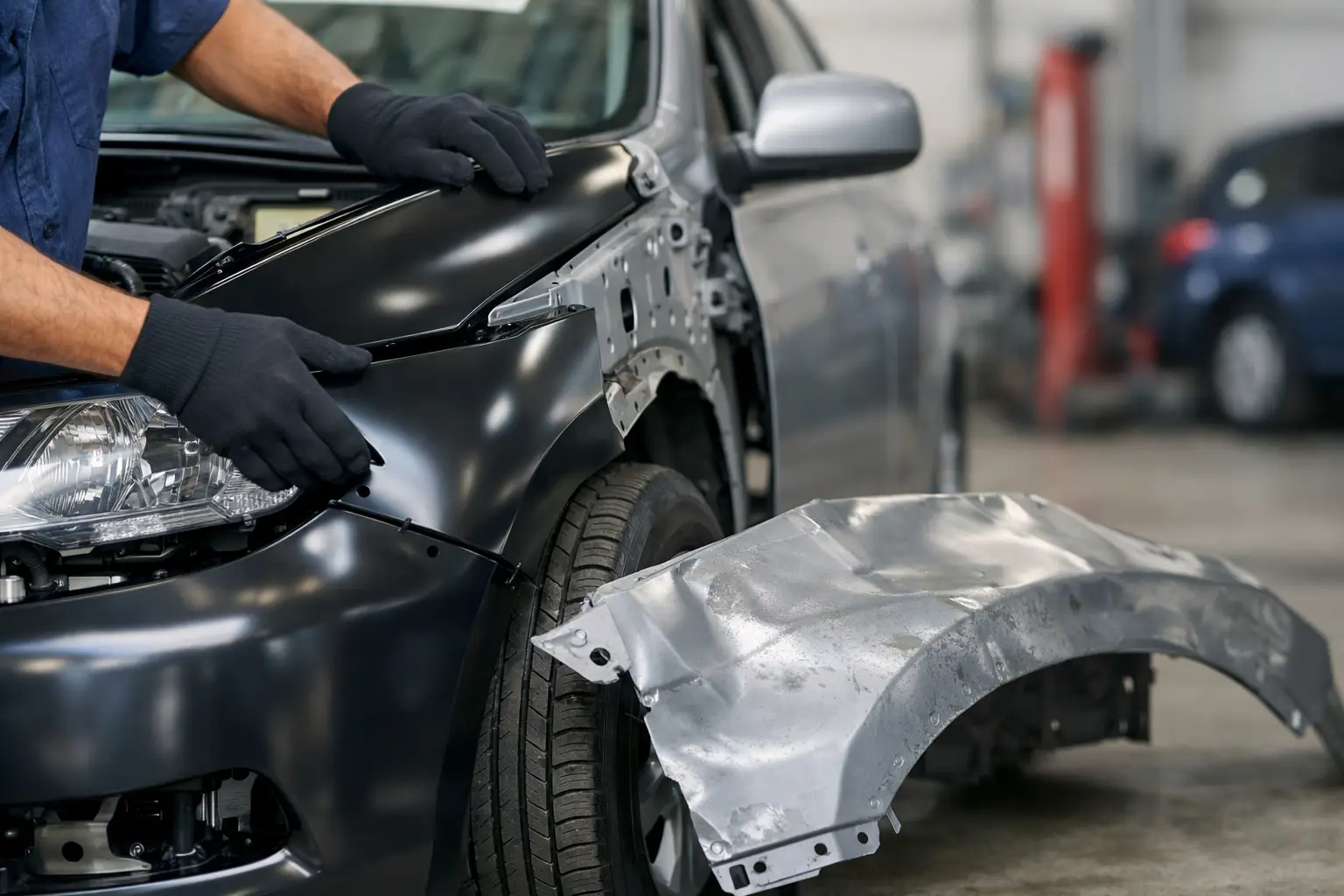
A damaged fender, door, bumper, or hood can make a vehicle look neglected, but appearance is only part of the issue. This vehicle body panel replacement guide explains how collision professionals determine whether a panel should be repaired or replaced, what proper replacement involves, and why paint matching and panel alignment matter just as much as the new part itself.
For Lakeland drivers, the right repair starts with an accurate inspection. A panel that appears to have a simple dent may also have hidden mounting damage, broken clips, distorted metal behind it, or a damaged sensor bracket. Replacing the visible piece without addressing those details can lead to poor fit, water leaks, warning lights, or premature paint problems.
When a Body Panel Can Be Repaired
Repair is often the better option when the original panel is structurally sound and the damage is limited to a shallow dent, crease, scratch, or small area of corrosion. Keeping the original factory panel can preserve factory seams and may reduce the amount of refinishing required.
A technician may repair a steel or aluminum panel when it can be reshaped without excessive stretching or weakening. Minor door dings, bumper scuffs, hail dents, and low-speed parking damage are common repair candidates. Paintless dent repair may also be an option when the paint finish remains intact and the panel can be accessed from behind.
Repair has limits. Metal that is sharply folded, torn, heavily stretched, rusted through, or damaged near a critical mounting point may not return to its original strength or shape. Body filler can refine a repaired surface, but it should not be used to disguise major deformation. A quality repair is based on sound metalwork, proper preparation, and a stable finish.
A Vehicle Body Panel Replacement Guide: When Replacement Makes Sense
Replacement is usually recommended when the panel cannot be repaired safely, reliably, or cost-effectively. This is common after a collision that leaves a bumper cover split, a fender crushed around the wheel opening, a door shell bent at the latch area, or a hood kinked near its hinges.
Bolt-on panels, including many fenders, hoods, doors, trunk lids, and bumper covers, can often be removed and replaced without cutting the vehicle body. That does not make the work simple. Each replacement panel must be installed in the correct position, with even gaps at the hood, doors, lamps, and adjacent trim.
Welded panels require a more involved approach. Quarter panels, roof panels, rear body sections, and some rocker panels can be structural or semi-structural components. Their replacement may require manufacturer-approved cutting locations, welding procedures, corrosion protection, seam sealing, and refinishing. This work should be handled by an experienced collision repair shop, not treated as a cosmetic swap.
The type of part also affects the decision. Original equipment manufacturer parts are designed for a specific vehicle and typically offer the most consistent fit. Recycled original parts can be a practical choice if they are in good condition and compatible with the repair. Aftermarket panels can lower costs, but quality varies. Some require more adjustment before they fit correctly, and a low-quality panel may create alignment or finish concerns.
What Proper Panel Replacement Looks Like
A professional replacement process begins before the damaged part comes off. The vehicle is inspected for related damage to brackets, reinforcements, lamps, wiring, liners, moldings, and mounting points. On newer vehicles, technicians also look for cameras, parking sensors, radar units, blind-spot monitoring components, and airbag sensors located behind exterior panels.
Once the repair plan is confirmed, the damaged panel and affected trim are removed carefully. Reusable clips and moldings are inspected rather than forced back into place. Broken retainers, distorted brackets, and missing fasteners can cause a new panel to rattle, sag, or separate over time.
The replacement panel is then test-fitted before paint. This step is essential. Technicians check body lines, door openings, hood and trunk operation, headlight and taillight positioning, and the width of each panel gap. A vehicle can have fresh paint and still look wrong if the gaps are uneven or the body lines do not flow from one panel to the next.
After fitment, the panel is prepared for refinishing. Bare metal, replacement parts, plastics, and repaired surfaces each require compatible primers and preparation methods. The surface is cleaned, sanded, primed as needed, and sealed before color is applied. This preparation is what allows the paint system to bond properly and remain durable in Florida heat, rain, and sun.
Why Paint Matching Requires More Than the Paint Code
The paint code is the starting point, not the final answer. Factory colors can vary slightly between production batches, and paint changes naturally as a vehicle ages in the sun. Metallic and pearl colors are especially sensitive because the direction and distribution of metallic flakes affect how the color looks from different angles.
A professional paint process includes color evaluation and, when necessary, a spray-out card to compare the mixed color with the vehicle. The goal is to match the repaired area as closely as possible under natural and shop lighting.
In many cases, blending color into an adjacent panel produces a better visual result than painting only the replacement panel. For example, a new front fender may need color blended into the front door so the transition is not visible. This can add time and cost, but it often prevents a noticeable shade difference after the vehicle leaves the shop.
Clear coat is also part of the repair. It provides gloss, depth, and protection from ultraviolet exposure. The repaired area must cure correctly before final polishing and reassembly. Rushing reassembly can damage fresh edges or leave dust, trim marks, or alignment issues that should have been caught during quality control.
Safety Systems and Structural Details Cannot Be Overlooked
Modern body panels frequently support more than exterior styling. A bumper cover may contain parking sensors or radar components. A front fender can conceal wiring and mounting hardware. A door may house side-impact components, window regulators, wiring harnesses, and latching hardware that must operate correctly after repair.
If collision damage affects sensor locations, suspension geometry, steering components, or structural mounting areas, additional inspection may be needed. Some vehicles require a wheel alignment, diagnostic scan, or recalibration of advanced driver assistance systems after repairs. This is especially relevant for vehicles with lane departure alerts, adaptive cruise control, automatic emergency braking, or blind-spot monitoring.
The key trade-off is simple: the lowest estimate is not always the lowest cost over time. Skipping calibration, corrosion protection, proper clips, or paint blending can create problems that appear after the vehicle is back on the road. A complete estimate should account for the work required to restore fit, function, safety, and appearance.
What to Ask Before Approving the Work
Before authorizing body panel replacement, ask whether the damaged panel will be repaired or replaced and why. Ask what type of replacement part is being used, whether adjacent panels need blending, and whether the estimate includes trim, clips, liners, sensors, and required calibrations.
It is also reasonable to ask how the shop will protect the repair from corrosion, particularly when a welded panel or bare metal is involved. Proper seam sealer, cavity wax, primers, and undercoating help protect areas that are not visible once the repair is complete.
For insurance claims, compare repair plans rather than focusing only on the dollar amount. An insurer may approve the repair, but the shop's inspection should identify all damage related to the collision. Hidden damage is often discovered after disassembly, which can require a supplemental estimate. That is a normal part of a thorough collision repair process.
Choosing a Lakeland Shop for Panel and Paint Work
A body panel replacement should leave your vehicle looking consistent from every angle and operating as it did before the damage. Look for a local shop that handles both auto body repair and professional painting, since fitment and refinishing need to work together.
New Age Auto Painting serves Lakeland-area drivers with collision repair, body work, and automotive paint services focused on restoring a clean, road-ready appearance. Whether your vehicle needs a repaired bumper, a replacement fender, or more extensive collision work, a careful inspection and complete repair plan are the best place to start.
Before you schedule the repair, take clear photos of the damage and make note of any warning lights, noises, or changes in how doors, hood, or trunk panels operate. Those small details help the repair team find the full scope of damage and help you get back to driving with confidence.