New Age Auto Painting Blog · April 14, 2026
What Is Automotive Refinishing?
Learn what is automotive refinishing, how the process works, and when your vehicle may need professional paint and surface repair in Lakeland.
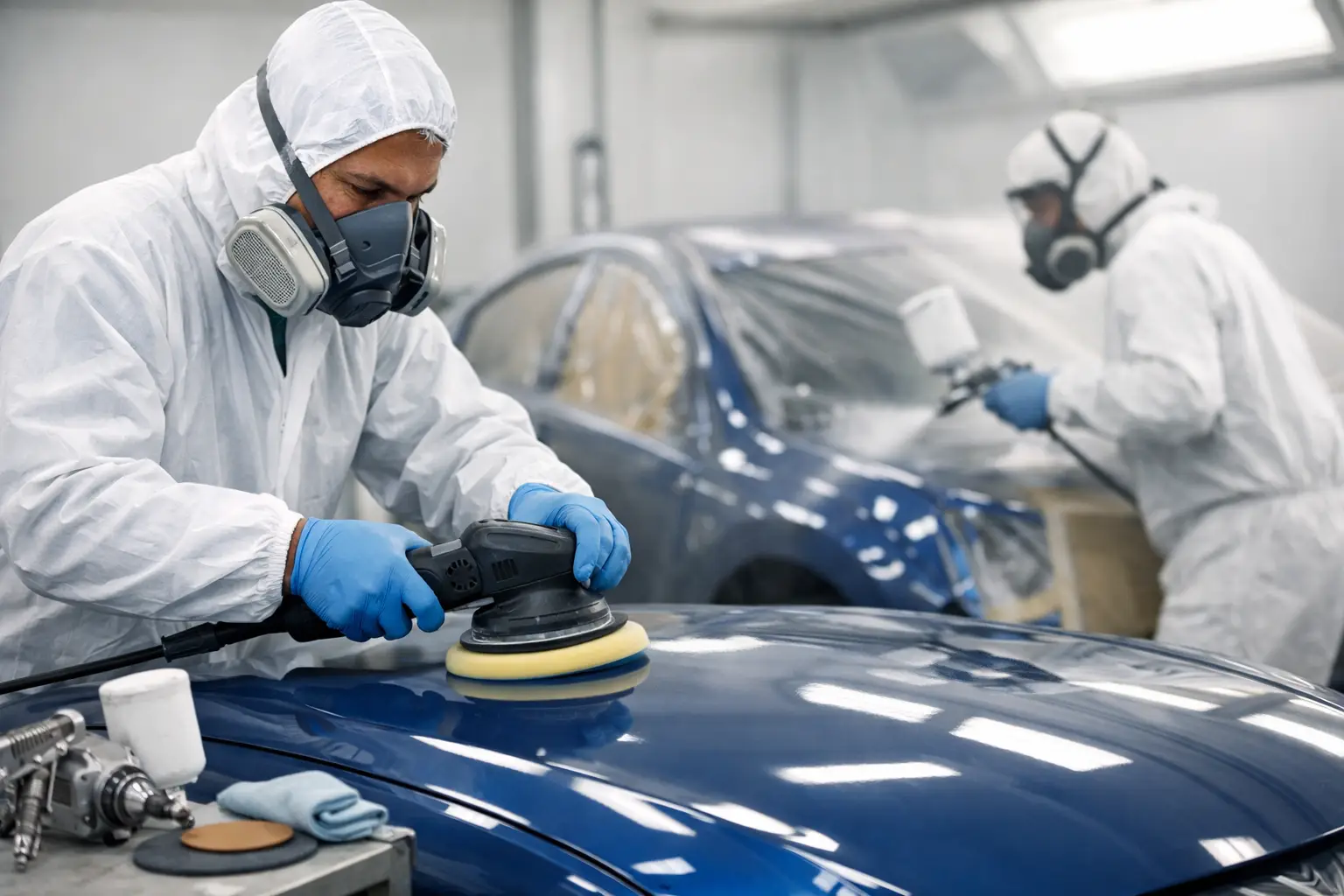
A lot of drivers ask what is automotive refinishing after a collision, a scrape in a parking lot, or years of Florida sun fading the paint. The short answer is that automotive refinishing is the process of restoring or replacing a vehicle’s painted finish so it looks right again and stays protected. That can mean repairing chipped paint on one panel, repainting damage after body work, or refinishing larger sections of the vehicle to restore a consistent appearance.
For most vehicle owners, this matters when the damage is visible and hard to ignore. A scratched bumper, peeling clear coat, mismatched paint after a repair, or oxidation on the hood all affect how your vehicle looks. In some cases, damaged paint also leaves the metal or underlying surface more exposed to moisture, corrosion, and additional wear.
What Is Automotive Refinishing in Simple Terms?
Automotive refinishing is the surface repair and repainting process used to restore a vehicle’s exterior finish. It usually includes surface preparation, correcting damage, applying primer or sealer when needed, matching the paint color, and finishing with clear coat for gloss and protection.
It is not the same thing as a basic car wash or detailing service. Detailing cleans and improves the appearance of existing surfaces. Refinishing repairs the finish itself. It is also different from full collision repair, although the two often go together. If a fender is dented in an accident, the body repair fixes the shape and structure. Refinishing restores the color and final appearance after that repair is complete.
That distinction matters because good refinishing depends on good prep work. Paint alone does not hide poor repairs, uneven filler, or damaged substrate. The finish is only as good as the surface under it.
When a Vehicle Needs Automotive Refinishing
Some refinishing jobs are obvious. If your car has a deep scratch through the paint, a scuffed bumper, or a panel replaced after an accident, refinishing is typically part of the repair. Other cases are more gradual and easier to put off.
Clear coat failure is a common example in Florida. A vehicle may start to look dull, chalky, or patchy, especially on horizontal surfaces like the hood, roof, and trunk. Sun exposure, heat, and weather wear down the finish over time. Once that top layer breaks down, the paint underneath can deteriorate faster.
You may also need refinishing after rock chips, small corrosion spots, peeling paint, or previous low-quality repairs. Sometimes customers come in because one panel no longer matches the rest of the vehicle. That can happen after incomplete repairs or poor color matching. In those situations, refinishing helps restore a uniform look instead of leaving the car with one panel that stands out for the wrong reason.
How the Automotive Refinishing Process Works
The refinishing process starts before any paint is sprayed. First, the damaged area has to be inspected to determine whether the issue is cosmetic only or tied to body damage underneath. A scratch on the surface is one thing. A crease in the metal, cracked plastic bumper cover, or previous repair failure changes the scope of work.
Once the condition is clear, the surface is prepared. That may involve sanding, removing damaged paint, smoothing repaired areas, and cleaning the panel so contaminants do not interfere with adhesion. Prep is one of the most important parts of the job. If the panel is not properly cleaned, leveled, and sealed, the finish may not hold up the way it should.
Surface Repair and Prep
If there is body damage, that is repaired first. Dents are corrected, filler is shaped if needed, and the panel is sanded until the surface is smooth and ready for coating. On plastic parts such as bumper covers, the prep steps may differ slightly because the material behaves differently than metal.
A primer or sealer may then be applied depending on the condition of the panel and the repair method used. This creates a stable base for the color coat and helps support adhesion, coverage, and finish consistency.
Color Matching and Paint Application
Paint matching is where experience really shows. Modern automotive finishes are not just one flat color. They may include metallic, pearl, or multi-stage formulations that react differently in light. Even if the vehicle’s original color code is known, age and sun exposure can affect how the surrounding panels look today.
That is why refinishing is not just about mixing a formula and spraying it. The technician has to account for the current condition of the vehicle and may need to blend color into adjacent panels so the repair does not stand out. A technically correct color that looks different in daylight is still a poor result.
Clear Coat and Final Finish
After the color coat is applied, clear coat is added to protect the finish and give the surface its gloss and depth. Once cured, the painted area may be polished or corrected to refine the final appearance. The goal is a clean, durable finish that looks consistent with the rest of the vehicle.
This stage is also where shortcuts become obvious. Problems like orange peel, dry spray, dirt in the finish, or uneven gloss usually point back to application issues, prep problems, or rushed production.
Why Automotive Refinishing Is More Than a Cosmetic Service
Some drivers think refinishing is only about making a car look newer. Appearance is a major reason people request it, but protection is just as important. Automotive paint systems help shield the body and exterior surfaces from sunlight, moisture, and daily wear.
When paint is compromised, especially down to bare metal, the risk of corrosion increases. On plastic parts, damage may not rust, but the finish can still degrade and make the vehicle look poorly maintained. That matters for resale, for pride of ownership, and for keeping the car in better condition over time.
There is also a practical point after collision repair. If the structural and body work are done properly but the finish is poor, the repair still feels incomplete. Most customers want the vehicle to be both road-ready and presentable. Refinishing is what brings the repair to that final stage.
What Affects the Cost and Scope of Refinishing
There is no single price for automotive refinishing because the job can range from a small spot repair to refinishing several panels after collision damage. Size of the damaged area, paint type, panel material, color complexity, and the amount of prep work all affect the scope.
For example, a minor scratch on one panel may require less labor than peeling clear coat across a hood and roof. A solid white finish is generally more straightforward than a metallic or pearl color that requires careful blending. If a panel has previous body filler, rust, or failed paint beneath the surface, more repair time may be needed before refinishing can even begin.
That is why estimates should be based on inspection rather than guesswork. What looks small on the surface is not always a small repair.
What to Look for in a Refinishing Shop
If you need this type of work, the main thing to look for is not just whether a shop paints cars. You want a shop that understands both body repair and finish restoration, because those services often overlap. Good refinishing depends on proper panel repair, surface prep, color matching, and controlled application.
You should also expect clear communication about what is being repaired, whether blending is needed, and what kind of result is realistic. In some cases, a localized repair is enough. In others, a wider refinishing approach gives a cleaner and more durable outcome. The right answer depends on the condition of the vehicle, not just the fastest option.
For drivers in Lakeland, working with a local shop that handles both collision repair and paint restoration can simplify the process. It means the structural work, body repair, and final finish can be managed together instead of split between different providers. That is one reason many customers choose a shop like New Age Auto Painting when they want damage corrected and the appearance restored at the same time.
Is Automotive Refinishing Worth It?
If the finish damage is spreading, exposing the surface underneath, or making the vehicle look noticeably worn, refinishing is often worth addressing sooner rather than later. Waiting can turn a contained repair into a larger one. On the other hand, not every small chip or light surface mark requires immediate full-panel refinishing. Sometimes the best approach depends on the age of the vehicle, your budget, and how long you plan to keep it.
That is the practical answer to what is automotive refinishing. It is the process that restores your vehicle’s exterior finish after damage, wear, or repair work, and it does more than improve looks. A quality refinishing job protects the surface, supports the value of the vehicle, and helps it feel complete again when the work is done right.