New Age Auto Painting Blog · August 7, 2026
When Should a Bumper Be Replaced? Key Signs
Learn when should a bumper be replaced after a collision, crack, or hidden damage, and why Lakeland drivers should choose a professional inspection today.
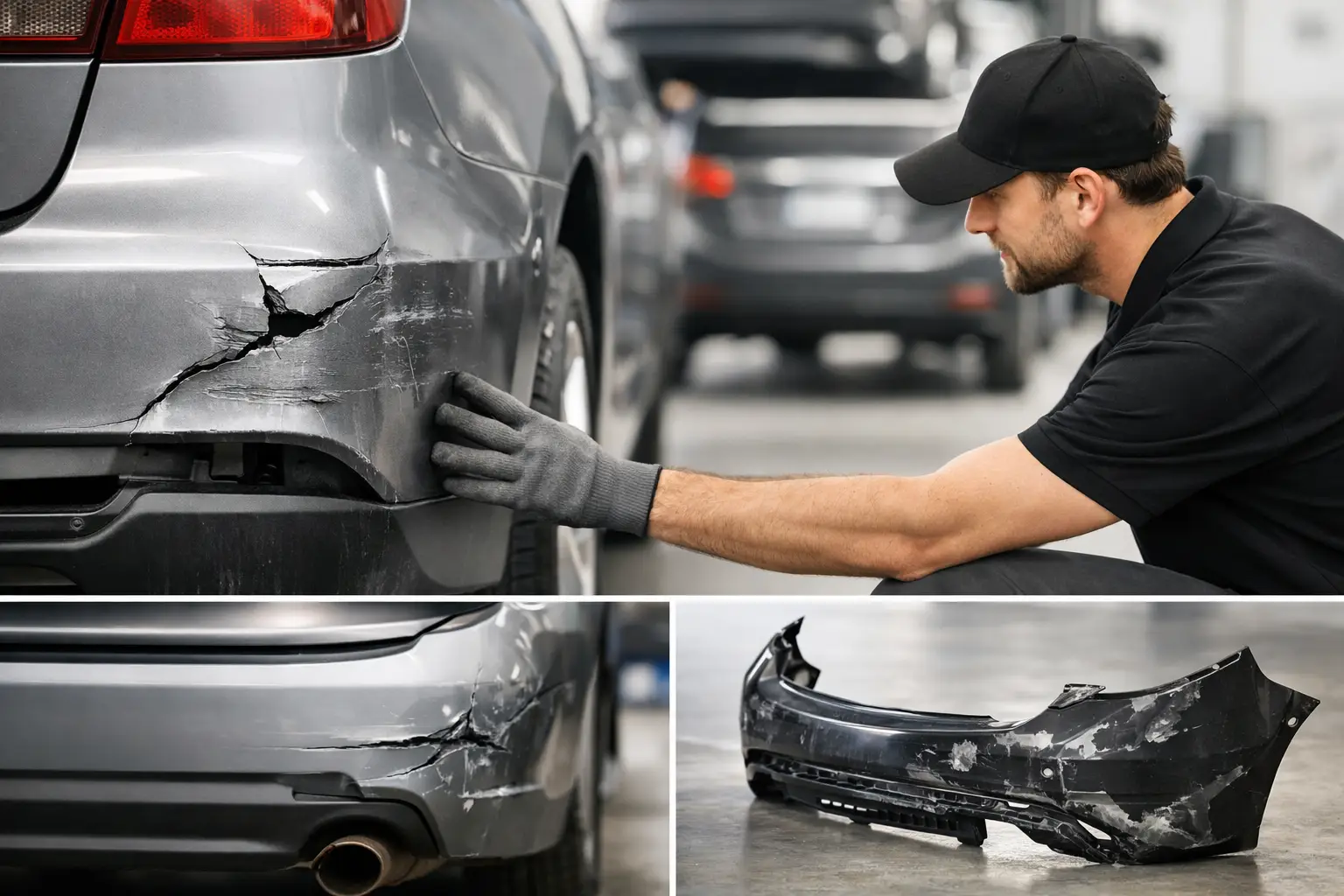
A bumper can look like a simple painted panel, but it does more than cover the front or rear of your vehicle. Behind the visible cover are impact absorbers, reinforcement components, mounting points, wiring, and often parking sensors or radar equipment. So, when should a bumper be replaced? The answer depends on more than how noticeable the damage looks from the driveway.
A light scuff or shallow dent may be repairable. A cracked cover, damaged mounting area, distorted reinforcement bar, or affected safety sensor may call for replacement instead. For Lakeland drivers, a professional inspection after a collision is the most reliable way to protect both the appearance and proper function of the vehicle.
When Should a Bumper Be Replaced After Damage?
Replacement is usually the better choice when the bumper cannot be restored to its original shape, securely mounted, and correctly finished. Modern bumper covers are commonly made from flexible plastic. They can absorb minor contact without obvious damage, but they can also crack, stretch, or deform in ways that paint alone cannot correct.
A bumper should be closely evaluated for replacement after a moderate or severe impact, even if the outer surface does not look especially bad. A parking-lot hit, low-speed rear-end collision, curb impact, or contact with a trailer hitch can transfer force into parts behind the cover. The visible mark may be small while the mounts, absorber, brackets, or reinforcement bar have shifted or broken.
Repairing a bumper that should have been replaced can create ongoing problems. The cover may sit unevenly against the fender or grille, develop stress cracks after refinishing, or loosen over time. If sensors or lighting components are involved, improper fit can also affect vehicle features that drivers rely on every day.
Cracks, Tears, and Missing Material
Cracks are one of the clearest signs that replacement may be needed. Small cracks in certain areas can sometimes be plastic-welded and refinished, particularly if they are away from mounting points and the damage is limited. However, a long crack, split seam, torn edge, or missing section of plastic reduces the bumper cover's strength and can make a lasting repair difficult.
Damage around tabs, clips, and mounting holes deserves special attention. These areas keep the bumper aligned with the body panels. When they are torn or broken, the bumper can sag, pull away from the fender, or rattle at speed. While some tabs can be repaired, severely damaged attachment points often make replacement the more dependable option.
The Bumper Does Not Fit Correctly
A gap between the bumper and the headlight, fender, trunk, or grille is not always a cosmetic issue. Misalignment can mean the cover, brackets, or underlying body structure moved during the impact. If the bumper will not sit flush after normal adjustments, replacing the cover or repairing the supporting components may be necessary.
Watch for corners that pop out repeatedly, a bumper that appears lower on one side, or panels that rub when a door, hood, or trunk is opened. Those signs warrant a collision repair inspection rather than a quick cosmetic touch-up.
Damage Behind the Painted Surface
The bumper cover is only the outer layer. Behind it may be foam or plastic energy absorbers, a metal or composite reinforcement bar, brackets, wiring harnesses, and structural mounting points. A collision can crush or bend these parts without leaving major paint damage.
Replacement is often needed when the reinforcement bar is bent, the absorber is compressed or broken, or the bumper mounting structure is damaged. These components are designed to manage impact forces. Straightening or reusing a compromised part may not restore the vehicle to its intended condition.
Can a Damaged Bumper Be Repaired Instead?
Many bumpers can be repaired successfully. Surface scratches, paint transfer, small dents, minor gouges, and light scuffs often do not require a new bumper cover. A skilled auto body shop can clean the surface, repair minor imperfections, prepare the plastic properly, and refinish the area to match the vehicle's color.
Repair is typically a practical choice when the cover remains structurally sound and all mounting points are intact. It can reduce cost and avoid replacing a part that still has useful life. The key is that the repair must be appropriate for the material and location of the damage.
There are limits. Heat reshaping may improve a dented plastic bumper, but it will not solve a deep crease with stretched material or a crack that continues through a high-stress area. Likewise, filler and paint can improve appearance, but they cannot restore broken tabs or correct damaged components behind the cover.
A qualified technician should assess whether the result will be durable, properly aligned, and ready for professional painting. The least expensive initial option is not always the best value if the bumper needs repeated repairs later.
Safety Features Can Change the Decision
Newer vehicles often place important technology inside or behind the bumper. Parking sensors, blind-spot detection, adaptive cruise radar, collision warning systems, cameras, and wiring may all be affected by a front or rear impact.
If a warning light appears after bumper damage, do not assume it is unrelated. A sensor may be loose, damaged, misaligned, or blocked by a crack or distorted bumper cover. Even without a dashboard warning, the equipment may require inspection and, when applicable, calibration after repairs are complete.
This is one reason a replacement decision should not be based on photos alone. The bumper may look repairable while the hardware behind it needs attention. A proper collision repair process considers the cover, underlying parts, and vehicle systems together.
What About Paint Damage, Fading, and Peeling?
Paint damage alone does not automatically mean the bumper needs replacement. Road rash, scratches, paint peeling, and fading from Florida sun exposure can often be corrected through surface preparation and professional refinishing. If the plastic beneath the paint is intact, repainting may restore a clean, consistent appearance.
Replacement becomes more likely when the paint problem is combined with cracked plastic, prior poor repairs, severe warping, or widespread deterioration. A bumper with multiple old repairs may not provide a stable base for another refinish. In that case, starting with a replacement cover can produce a cleaner and longer-lasting result.
Color matching matters, especially on vehicles with metallic, pearl, tri-coat, or sun-faded finishes. Professional painting includes proper preparation, color matching, and blending when needed so the repaired or replaced bumper does not stand out from adjacent panels.
Insurance, Cost, and Repair Planning
After an accident, insurance may cover bumper repair or replacement depending on the policy, deductible, and cause of the damage. The repair estimate should account for visible damage as well as concealed issues found after the bumper is removed. It is common for a shop to identify damaged brackets, absorbers, sensors, or reinforcements that were not visible during the first walk-around.
Do not choose repair or replacement based only on the bumper cover's price. Consider the complete job: removal and installation, parts, repair labor, paint materials, color matching, sensor work, and any damage to nearby panels. A good estimate explains what is being repaired, what is being replaced, and why that approach is appropriate for the vehicle.
For older vehicles, cost can be a factor when deciding between an original equipment part, an aftermarket part, or repair of the existing cover. Part quality and fit should be discussed before work begins. A poorly fitting replacement bumper can create alignment and paint issues that take away from the finished result.
Get the Bumper Inspected Before the Damage Gets Worse
Driving with a loose, cracked, or partially detached bumper can allow damage to spread. Wind, road vibration, rain, and normal daily driving can pull on weakened mounting points and turn a manageable repair into a larger one. A loose cover can also interfere with tires or detach on the road.
If your bumper was damaged in Lakeland or the surrounding area, New Age Auto Painting can evaluate the condition of the cover, supporting parts, and paint finish. The goal is not simply to make damage less visible. It is to determine whether repair can provide a reliable result or whether replacement is the better path for proper fit, appearance, and road-ready condition.
A prompt inspection gives you a clearer repair plan and helps prevent a damaged bumper from becoming a more expensive problem later.